Is Mold Easy to Fix? A Practical Home Mold Remediation Guide
Explore whether mold is easy to fix and learn a practical, safety-focused approach to DIY remediation or when to call a professional, with actionable steps and prevention tips from Mold Removal Lab.


Is mold easy to fix? In most cases, small, clearly defined mold spots can be addressed with careful cleaning and moisture control, but many factors influence success. The short answer: yes for minor, surface mold when you follow safety steps, use the right cleaners, and fix the underlying moisture. For broader growth or hidden mold, call a pro.
Is Mold Easy to Fix? A Practical Overview
is mold easy to fix? The short answer depends on the scale, location, and moisture driver behind the growth. A single patch on a non-porous surface may be addressed with ordinary cleaners, but the bigger question is whether the moisture problem has been resolved. Without controlling humidity and leaks, any cleaning is likely to be temporary at best. According to Mold Removal Lab, moisture control is the core of any successful remediation. The difference between a cosmetic wipe and a lasting fix is often found in the underlying conditions: if the space is damp, the mold will return.
In practice, the easiest fixes apply to small, surface growth on non-porous materials such as glass, tile, metal, or sealed surfaces. Porous materials—drywall, insulation, wood, fabrics—are more prone to harboring mold, and in many cases require removal and replacement rather than cleaning. The decision tree starts with measuring the area: if the affected region is less than about 1 square foot and the surface is non-porous, you may proceed with careful cleaning and moisture control. For larger areas, or if the growth is behind walls, under flooring, or within HVAC components, professional assessment is prudent. Finally, set up a moisture plan: repair leaks, improve ventilation, and use dehumidification to bring indoor humidity below typical targets (often around 50-60%). This approach reduces the probability of regrowth and protects the health of occupants. The goal is to create a stable, drier environment so that mold does not become a repeating problem.
DIY remediation vs. professional help: making the call
Knowing when to fix mold yourself and when to call a pro is a key skill for homeowners. Do-it-yourself remediation can handle small, clearly defined patches on non-porous surfaces and when there is easy access to the affected area. If the mold coverage is modest (roughly under 1 square foot) and there are no signs of water damage behind walls, you can typically proceed with basic cleaning after taking proper safety precautions. If you encounter any of the following, pause and seek professional help: growth on porous materials like drywall or ceiling tiles, mold behind walls, a musty odor that persists after cleaning, or a history of water intrusion. Additional red flags include immunocompromised household members, pregnancy, or if the area is larger than a few square feet. Even when DIY is feasible, you must address the moisture source, dry the space, and monitor over time. The goal is not to win a cleaning contest but to restore a safe, dry environment. The Mold Removal Lab team emphasizes cautious, informed steps and never skipping moisture control.
A practical plan for minor mold growth
Before you begin, set realistic expectations. For small patches on non-porous surfaces, plan to clean once, dry thoroughly, and re-check humidity afterward. Start by gathering PPE and cleaning supplies, then isolate the work area to prevent spores from drifting into other rooms. If possible, fix the moisture source first—drain leaks, seal gaps, and run a dehumidifier to keep humidity below 60 percent. Then scrub the affected surface with a mild detergent and rinse with clean water, using a disposable cloth for debris. Dry completely with a clean towel or a fan, ensuring all adjacent areas stay dry. Inspect the area after 24 hours and again after 72 hours to confirm there is no regrowth. If new patches appear, or if the surface shows continued dampness, stop the DIY effort and consult a professional. Finally, document progress with photos and keep the space ventilated during recovery. This plan strikes a balance between practical action and safety for most small mold events.
Safety, cleaners, and best practices
Safety first: wear an approved respirator (NIOSH-rated) or an equivalent mask, protective eyewear, and chemical-resistant gloves. Do not mix cleaners; never combine bleach with ammonia or other cleaners, as toxic fumes can form. Use a mild detergent or a solution of water and vinegar for light mold on non-porous surfaces; reserve stronger agents for where label directions allow. Work in a well-ventilated area and contain the work zone with plastic sheeting to prevent spread. After cleaning, dispose of contaminated materials in sealed bags and wash tools separately from household items. Restore dryness promptly—mold loves damp air, so re-run the dehumidifier and ensure good air circulation. Finally, keep a routine eye on humidity and moisture sources, particularly after storms or leaks.
Monitoring moisture and preventing recurrence
Prevention focuses on moisture control. Maintain indoor humidity below 60 percent (in many homes around 50 percent is ideal), fix any leaks promptly, and improve ventilation in kitchens, bathrooms, and laundry areas. Regularly inspect problem areas—basements, under sinks, behind appliances—for signs of dampness or staining. Use exhaust fans during showers, direct air toward problem spots, and consider a dehumidifier in damp spaces. Address hidden mold early by removing affected porous materials only if you are confident in containment and disposal. Create a simple maintenance plan: quarterly checks, a dedicated cleaning routine, and a log of any water events. With disciplined moisture management, most people can keep mold at bay without escalating to professional remediation.
Tools & Materials
- NIOSH-approved respirator or P100 mask(Protects lungs from spores and cleaning fumes)
- Safety goggles(Keep eyes safe from splashes)
- Chemical-resistant gloves(Disposable or reusable; choose thick gloves)
- Disposable coveralls or old clothing(Prevents clothes from tracking spores)
- Microfiber cloths(For scrubbing and wiping; reuse with care)
- Scraper or putty knife(For gentle removal of caulk or paint if needed)
- Bucket and mild detergent(Cleaning solution)
- Spray bottle(To apply cleaner)
- Plastic sheeting and tape(Containment and dust control)
- Trash bags (heavy-duty)(Seal contaminated materials)
- Dehumidifier or moisture meter/hygrometer(Controls humidity and monitors progress)
- Fan or portable air mover(Drying aid for larger areas)
- Paper towels or rags(Drying and cleanup)
- Vinegar or non-ammonia cleaner(Mild cleaners for light mold)
Steps
Estimated time: 1-3 hours
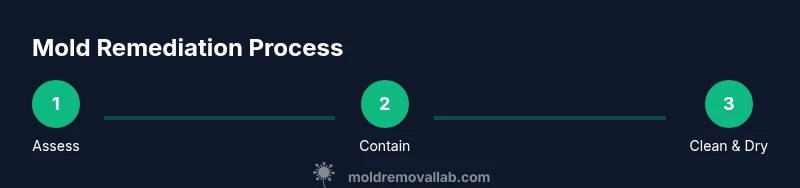
- 1
Assess the scope and safety
Identify the size of the mold, whether it is on porous or non-porous material, and check for signs of water damage behind walls.
Tip: If you can't access behind the wall safely, stop and consult a pro. - 2
Gather PPE and containment
Put on a respirator, goggles, gloves; set up plastic sheeting to isolate the area.
Tip: Seal edges with tape to prevent spores from spreading. - 3
Address moisture sources
Repair leaks, improve ventilation, and run a dehumidifier to bring RH below 60%.
Tip: Moisture control is the critical factor in mold prevention. - 4
Clean or remove affected materials
For non-porous surfaces, scrub with a mild detergent; for porous materials, consider removal and replacement.
Tip: Do not attempt to salvage severely damaged porous materials. - 5
Dry thoroughly and monitor
Dry area completely with fans; recheck humidity and signs of regrowth after 24-72 hours.
Tip: Keep the area dry for at least a week after remediation. - 6
Dispose and inspect
Place contaminated items in sealed bags; clean tools; inspect for hidden mold.
Tip: Document with photos to track progress.
FAQ
How do I know if mold is minor or dangerous?
Consider the area size, material type, and moisture history. Small patches on non-porous surfaces are more manageable, while growth on porous materials or behind walls requires caution and possibly professional help. If you have health concerns or persistent moisture issues, treat it as potentially hazardous and seek guidance.
For small, surface mold on non-porous surfaces, DIY can work with care. If the mold is larger or behind walls, consult a professional.
Can household bleach remove mold effectively?
Bleach can kill mold on non-porous surfaces but does not reach mold roots in porous materials. It also generates fumes; use with ventilation and never mix with ammonia. For porous materials, removal and replacement are often required.
Bleach can kill mold on non-porous surfaces, but for porous materials you may need to replace them.
Should I test for mold after remediation?
Testing is optional for small, well-contained mold removal projects. If symptoms persist, water issues recur, or you had significant exposure, professional testing or a moisture assessment can confirm that the area is mold-free.
Testing isn’t always necessary, but consider it if problems persist or exposure was significant.
How long should humidity stay low after remediation?
Maintain indoor humidity below 60 percent for several weeks to allow surfaces to dry completely and to prevent regrowth. Use fans and a dehumidifier as needed, especially in damp climates.
Keep humidity under 60 percent for several weeks to prevent regrowth.
Is professional remediation always necessary?
Not always. Small, isolated mold on non-porous surfaces with no water damage may be DIY-friendly. If the area is large, porous, hidden, or involves HVAC systems, professional remediation is advisable.
Not always, but larger or hidden growth usually requires a pro.
What signs indicate hidden mold?
Look for persistent musty odors, staining behind walls, or unexplained dampness. If you notice water damage in ceilings or floors, hidden mold may be present and require professional evaluation and testing.
Persistent odors or hidden dampness often signal mold behind surfaces.
The Essentials
- Assess moisture sources before cleaning
- Use proper PPE and containment
- Control humidity to prevent recurrence
- Know when to call a professional