How to Stop Mold: A Practical Home Guide
Learn proven, safe steps to stop mold growth in your home. This practical guide covers moisture control, cleaning, and when to call professionals.


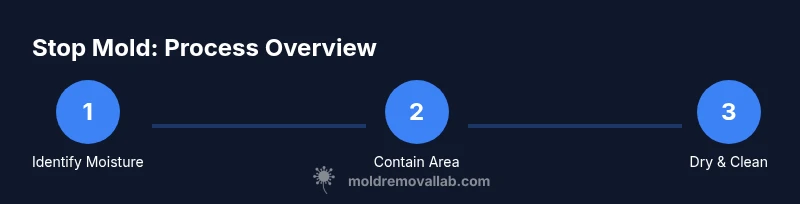
To stop mold, start by eliminating moisture sources, repairing leaks, and improving ventilation. Clean visible growth with approved cleaners, dry thoroughly, and remove contaminated materials safely. Monitor humidity and recheck problem areas weekly. For large or hidden mold, or persistent growth, contact a professional remediation service. This guide provides practical, step-by-step actions homeowners can take today.
Understanding Mold Growth
Mold growth in homes is a response to persistent moisture, organic material, and suitable warmth. According to Mold Removal Lab, mold thrives when water is present long enough to allow colonization. In most residences, mold manifests as patchy spots on walls, ceilings, or behind baseboards, and spores can become airborne when dried or disturbed. The practical approach to stopping mold starts with eliminating moisture sources and cleaning surfaces, while careful evaluation reveals hidden growth behind walls or under flooring. Never ignore a musty odor, as it is often a sign of hidden moisture. After moisture is under control, cleaning and drying complete the remediation cycle. Mold can affect indoor air quality and may trigger allergies or respiratory symptoms in sensitive people. The goal is to interrupt the mold life cycle by removing water, cleaning residues, and stabilizing the environment so mold cannot regain a foothold.
DIY vs Professional Remediation
Many homeowners successfully handle small, clearly visible mold patches with basic cleaning and moisture control. Mold Removal Lab analysis shows that the majority of common mold problems in typical homes can be addressed without hiring a contractor, provided the area is limited, accessible, and containment is maintained. However, large infestations, mold behind walls, or mold in HVAC systems pose greater health and safety risks and often require professional remediation. A professional team can assess the full extent of contamination, seal off affected zones, and use specialized equipment to remove mold and dry the space safely. The key is to know when DIY is appropriate and when to call in experts. Document the problem, start with moisture control, and if you encounter resistance, symptoms, or recurring growth, seek professional guidance promptly.
Quick Wins: Immediate Actions to Stop Mold
Start with a quick, controlled response to prevent spread. Remove standing water and fix leaks, dry the area with a fan and dehumidifier, and increase ventilation. Clean small surface growth with a non-abrasive detergent and warm water, then wipe dry. For added disinfection, you can apply a mild cleaning solution such as white vinegar or a 3% hydrogen peroxide solution, letting it sit briefly before rinsing. Always wear PPE, seal off the area with plastic sheeting, and bag contaminated materials after cleaning. Keep children and pets away during cleanup. After the area is dry, monitor humidity and recheck for new growth within 48-72 hours.
Moisture Control: The Key to Prevention
Moisture management is the single most important factor in stopping mold from returning. Use a moisture barrier on exposed surfaces, repair leaks promptly, and ensure bathrooms, kitchens, and basements are adequately ventilated. Maintain indoor relative humidity in a comfortable range, typically below 50-60% depending on climate, and use fans or a dehumidifier in damp rooms. Regularly inspect windows, pipes, and roof lines for slow leaks that can go unnoticed for weeks. Address condensation on cold surfaces by improving insulation and heat distribution. By preventing moisture accumulation, you reduce the chance that mold will find a new home in your home.
Safe Cleaning Methods: What Works and What Doesn't
For nonporous surfaces, plain detergent and warm water remove most mold residues effectively. On nonporous surfaces like glass, metal, and sealed tile, a vinegar solution can help to disinfect and deter regrowth. Hydrogen peroxide (3%) is another option for porous and nonporous materials; apply, let sit, then wipe away. Do not mix household cleaners, especially ammonia and bleach, as this creates toxic vapors. Bleach is not reliably effective on porous materials such as wood or drywall and can damage surfaces; it also does not reach mold within porous voids behind walls. Always test a small area first and ventilate the space well during cleaning. After cleaning, thoroughly dry the area to prevent residual moisture from encouraging regrowth.
Repairing Leaks and Improving Ventilation
Identify and repair all leaks in roofs, pipes, and foundations to eliminate continual humidity sources. Replace damaged weather stripping and fix gutters to prevent water intrusion. Improve ventilation in bathrooms, kitchens, and laundry rooms by installing or using exhaust fans; keep doors and windows open when feasible after cleaning. If you have crawl spaces or basements, install moisture barriers and ensure adequate drainage to prevent standing water. Consider upgrading insulation in damp areas to reduce condensation. After repair work, run a dehumidifier and fans to remove residual moisture and use a moisture meter to confirm drying progress.
When to Inspect: Tools and Techniques
Regular inspections help catch moisture problems before mold becomes visible. Use a moisture meter to track humidity, and visually inspect hidden areas such as behind baseboards, under sinks, and in crawl spaces. Infrared cameras and moisture-detecting sensors can reveal hidden damp spots. Document changes with photos and notes, and keep a maintenance log. Schedule seasonal checks, especially after heavy rain, snowmelt, or periods of high humidity. If you smell a persistent musty odor, treat it as a sign of potential hidden moisture and inspect created areas promptly.
Long-Term Prevention: Maintenance and Monitoring
Establish a routine to keep mold at bay: fix leaks promptly, maintain HVAC systems, clean humidity-prone rooms regularly, and keep surfaces dry after use. Use bath fans during showers, promptly wipe down bathroom surfaces, and store textiles in dry conditions. Replace or repair porous building materials showing moisture damage, and consider air purification strategies in high-humidity areas. Schedule annual inspections by a qualified professional to verify there is no hidden growth behind walls or within insulation. Keep a supply kit of cleaning essentials ready for quick response.
Common Myths Debunked
Mold myths can lead to delayed remediation and more spread. Myth: bleach kills all mold on any surface; reality: bleach is less effective on porous materials and may not reach embedded mold. Myth: mold exposure is rare; reality: many homes harbor mold in hidden forms and can affect air quality. Myth: DIY cleanup is always safe; reality: some growth requires professional assessment, especially around HVAC systems or large occupied spaces. Myth: any damp surface means mold; reality: there are damp periods that are temporary, but mold growth requires sustained moisture. Myth: once cleaned, mold never returns; reality: without addressing moisture sources, mold can regrow. Focus on moisture control and monitoring.
Professional Help: What to Expect
The Mold Removal Lab team emphasizes that professional remediation is recommended for sizable infestations, hidden mold, or if health symptoms persist. A typical professional process includes a mold risk assessment, containment of the affected area, air filtration using specialized equipment, removal of contaminated materials, thorough cleaning, and a controlled drying phase. After remediation, technicians verify dryness and perform post-remediation testing if needed. Expect clear communication about scope, timelines, and disposal. Document all steps for future maintenance and continue moisture control to prevent recurrence. The Mold Removal Lab team recommends seeking a professional when you are uncertain about the extent of growth or when growth recurs despite DIY efforts.
Tools & Materials
- N95 respirator or proper mask(Ensure proper fit; replace if damaged)
- Safety goggles(Protect eyes from splashes)
- Chemical resistant gloves(Use with cleaning solutions)
- Scrub brush (stiff-bristle)(For tougher surface mold)
- Spray bottle(For applying cleaners precisely)
- Detergent or mild soap(Use paired with warm water)
- White vinegar (5% acidity) or 3% hydrogen peroxide(Alternative disinfection options)
- Plastic sheeting and masking tape(Contain the work area)
- Trash bags (heavy-duty)(Seal and dispose contaminated materials)
- Dehumidifier or high-capacity fan(Facilitate thorough drying)
- Moisture meter or humidity monitor(Track progress and drying)
- Microfiber cloths or absorbent rags(Dry surfaces thoroughly)
Steps
Estimated time: Total time: 2-8 hours
- 1
Inspect moisture sources
Identify leaks, condensation points, and hidden damp areas. Document locations and plan containment to prevent cross-contamination while you work.
Tip: Use a moisture meter to confirm elevated humidity behind walls before starting cleanup. - 2
Contain the work area
Seal the affected zone with plastic sheeting and tape to prevent mold spores from spreading to clean areas.
Tip: Keep doors closed and create a simple airflow path from clean to dirty areas. - 3
Protect yourself
Put on PPE before touching moldy surfaces. Ensure masks fit well and goggles are secure.
Tip: Work from top to bottom to minimize downward spatter. - 4
Clean surface growth
Apply detergent and warm water, scrub gently, then rinse and dry. For disinfection, apply vinegar or hydrogen peroxide on nonporous surfaces.
Tip: Avoid mixing cleaners; never use ammonia with bleach. - 5
Evaluate porous materials
If mold has penetrated porous materials (drywall, insulation) consider removing and bagging these materials for safe disposal.
Tip: Do not reuse contaminated insulation; seal it in a bag before disposal. - 6
Dry the area thoroughly
Run dehumidifiers and fans to reduce moisture; ensure surfaces are completely dry before removing containment.
Tip: Aim for humidity below 50% for several days after cleanup. - 7
Repair moisture sources
Fix leaks, insulate, and improve ventilation to prevent recurrence. Verify water sources are fully eliminated.
Tip: Check roof and plumbing after a storm for hidden leaks. - 8
Recheck and monitor
Reinspect the area after 24–72 hours for any signs of regrowth and re-clean if necessary.
Tip: Keep a log with dates, humidity readings, and photos. - 9
Know when to call a pro
If mold covers large areas, is hidden behind walls, or in HVAC systems, contact a professional remediation service.
Tip: Professionals can safely contain and treat complex infestations.
FAQ
What is mold and how does it grow?
Mold is a fungus that grows where moisture, warmth, and organic material are present. It reproduces via spores and can cause health issues. Controlling moisture and cleaning growth promptly reduces risk.
Mold is a fungus that grows where moisture exists; it reproduces with spores and can affect health. Controlling moisture helps prevent it.
Can I stop mold with household cleaners?
Small, visible mold patches on nonporous surfaces can often be cleaned safely with detergent, vinegar, or hydrogen peroxide, plus moisture control. More extensive growth or porous materials may require professional remediation.
For small patches on nonporous surfaces you can clean them with basic cleaners, but larger areas or porous materials may need a pro.
Is bleach effective for mold removal?
Bleach can kill surface mold on nonporous surfaces but is less effective on porous materials and may not reach embedded growth behind walls.
Bleach works on hard, nonporous surfaces but doesn't reach mold inside porous materials.
How long does mold remediation take?
Time depends on scope: small cleanups may take a few hours; larger projects can take days. A professional assessment provides a clearer timeline.
Remediation time varies; small jobs take hours, larger ones can take days.
When should I call a professional?
Call a professional if the mold covers large areas, is in HVAC systems, you have health symptoms, or you cannot access the full extent without specialized equipment.
Call a pro if the growth is large, hidden, in your HVAC, or if health symptoms persist.
Will mold return after cleaning?
If moisture sources persist, mold is likely to return. Address leaks, humidity, and ventilation to reduce recurrence.
Mold can come back if you don't fix the moisture problem and dry the area properly.
Watch Video
The Essentials
- Stop moisture sources to halt mold growth
- Contain and dry affected areas quickly
- Use safe cleaning methods; avoid mixing cleaners
- Call a professional for large infestations or hidden mold