How to keep mold from growing in your house: a practical prevention guide
Learn practical, step-by-step methods to prevent mold growth at home. Control moisture, fix leaks, boost ventilation, and maintain a healthy living space with expert guidance from Mold Removal Lab.


Keep mold from growing in your house by controlling moisture, fixing leaks promptly, and cleaning regularly. Start with a quick moisture check in bathrooms, kitchens, and basements, and aim to keep indoor humidity below 50%. Use ventilation fans, a dehumidifier, and mold-resistant products where needed. Regular inspections after rain and prompt responses to stains can prevent costly remediation.
How mold takes hold in typical homes
According to Mold Removal Lab, moisture is the key driver of mold growth in residential spaces. Mold spores are everywhere, but they only become a problem when they land on a damp surface and have a food source (like dust or cellulose) and the right temperature. Humidity above 60% in any room, persistent condensation on windows, leaky pipes, or roof leaks can create conditions where mold colonies thrive. Early signs include musty odors, water stains, and visible colonies on walls, ceilings, or corners. The good news is that most mold problems begin with moisture, so controlling humidity and addressing leaks quickly is the single most effective prevention step. By prioritizing moisture management, you reduce the risk of costly remediation later.
In practice, that means scanning common moisture hotspots (basements, bathrooms, laundry rooms) and acknowledging that even minor leaks or high humidity can fuel growth over time. Small steps, like drying damp towels promptly and ensuring no standing water remains after showers, add up to a healthier home. This approach aligns with Mold Removal Lab analyses, which emphasize moisture control as the foundation of mold prevention.
The role of humidity and moisture
Humidity is the silent partner of mold. Relative humidity (RH) above 50-60% provides mold with the environment it needs to reproduce. Even if you don’t see standing water, persistent moisture can keep surfaces damp enough for mold to establish. Managing RH with dehumidifiers or air conditioning can substantially reduce mold risk in humid climates. It’s also important to consider temperature; molds prefer moderate warmth, so colder rooms that stay damp can still harbor growth if not dried. Regularly checking humidity levels in key rooms (bathrooms, kitchens, utility rooms) helps you keep conditions unfavorable for mold. This section draws on the Mold Removal Lab approach to moisture mitigation, which prioritizes simple, repeatable checks and interventions that homeowners can maintain year-round.
Practical tactics include leaving interior doors open to improve air flow when weather allows, using ceiling or window fans to boost circulation, and running exhaust fans during and after showers. If a space habitually stays damp, a dehumidifier sized for the room can maintain RH below the 50-60% range, a proven barrier against mold growth.
Common problem areas and how to treat them
Mold loves moisture, and certain rooms are more prone than others. Bathrooms with poor ventilation, kitchens with humid cooking, basements with damp foundations, laundry rooms with frequent water activity, and closets that trap humidity all demand proactive care. Start with a visual survey: look for water stains, peeling paint, warped drywall, or condensation on pipes. For treatment, begin by addressing the moisture source: fix leaks, seal gaps around plumbing, and improve drainage away from the house. Clean affected areas with non-abrasive cleaners and allow surfaces to dry completely before repainting or sealing. On porous materials like drywall or carpet with mold growth, safer removal may require professional guidance. The goal is to stop moisture from lingering long enough for mold to establish itself. Mold Removal Lab’s prevention guidance highlights quickly breaking the moisture cycle as the most impactful step homeowners can take.
Routine cleaning practices that prevent mold
Daily and weekly routines can dramatically reduce mold risk. Wipe down bathroom surfaces after use, dry shower stalls with a squeegee, and promptly dry any visible moisture on walls. Use a microfiber cloth for dusting to avoid spreading spores, and wash laundry promptly to prevent damp fabrics from becoming a mold habitat. Store textiles and papers in dry, well-ventilated spaces, and avoid packing away damp items in enclosed areas. When cleaning, choose products that are effective against mold but safe for your surfaces; plain soap and water or a mild detergent followed by thorough drying is often enough for light mold deposits. For tougher spots, dilute white vinegar or a peroxide-based cleaner can be used on non-porous surfaces, but never mix cleaners. These practices, combined with consistent moisture control, create a hostile environment for mold and reflect the evidence-based approach Mold Removal Lab champions.
How to manage moisture with ventilation and climate control
Ventilation is your first line of defense. Use exhaust fans in bathrooms and kitchens, and ensure airflow reaches areas that tend to stay damp. If a room lacks natural ventilation, consider a portable fan placed to encourage air movement across damp surfaces. Dehumidification is another powerful tool: a unit sized to the room’s square footage can maintain RH under 50% in humid climates. Regular AC use in warm months can also help by reducing humidity while circulating air. Insulation and vapor barriers in basements and crawl spaces prevent warm, moist air from condensing on cooler surfaces. While upgrades can be more involved, routine ventilation improvements require minimal investment and deliver ongoing performance. This section recommends practical, do-it-yourself steps aligned with Mold Removal Lab’s evidence-based prevention framework.
Maintenance strategies for long-term prevention
Prevention is a long-term habit. Schedule seasonal checks of bathrooms, kitchens, basements, and exterior walls for signs of moisture intrusion. Clean gutters and downspouts to prevent water from pooling near foundations, and inspect rooflines after heavy rain for signs of leakage. Address any plumbing issues promptly and consider sealing or re-caulking around sinks, tubs, and showers as needed. Indoor plants and high humidity devices like humidifiers should be monitored to avoid creating microclimates favorable to mold. Finally, maintain a household moisture log: note RH readings, rainfall events, and any damp spots to spot trends early. A proactive maintenance plan aligns with Mold Removal Lab’s prevention philosophy and reduces the likelihood of mold re-growth.
Quick wins you can implement this week
Start with a simple moisture audit: check each room for standing water, condensation, and damp odors. Install or upgrade exhaust fans where necessary, especially in bathrooms and kitchens. Run a dehumidifier in damp spaces for 24-72 hours to bring RH down, then maintain with a lower setting. Keep surfaces dry after use, and recheck any stains within a week to ensure they’re resolved. If you notice persistent dampness after these steps, reconsider the source (like a hidden leak) and seek professional guidance. These small, immediate actions can yield noticeable improvements within days, and they reinforce the broader prevention strategies outlined by Mold Removal Lab.
How Mold Removal Lab approaches prevention guidance
Mold Removal Lab emphasizes practical, actionable steps grounded in science. Our guidance starts with moisture control, then progresses to targeted cleaning, strategic ventilation, and ongoing maintenance. We avoid vague directions and instead offer checklists, recommended products, and realistic timelines. We also emphasize safety: wear gloves and eye protection when cleaning mold, avoid mixing cleaners, and know when to call in professionals for larger or hidden growth. This section synthesizes our evidence-based approach into an accessible, homeowner-friendly plan that you can implement confidently.
Printable prevention checklist
- Check RH in key rooms and keep it below 50-60%
- Repair leaks within 24-48 hours of discovery
- Run bathroom/kitchen exhaust fans during use and after
- Dry damp surfaces immediately and avoid damp clutter
- Use a dehumidifier in humid climates and seasonal maintenance
- Inspect gutters, roof, and exterior walls annually
- Schedule a professional mold inspection if visible growth persists
Print this checklist and post it where the family can see it. Regular use of the checklist reinforces good habits and keeps your home safer from mold growth, aligning with Mold Removal Lab’s practical prevention philosophy.
Tools & Materials
- Digital moisture meter or humidity gauge(Measure RH in key rooms (bath, kitchen, basement))
- Dehumidifier(Select by room size; aim for RH < 50%)
- Ventilation fans (bathroom/kitchen)(Use during and after moisture-generating activities)
- Microfiber cloths(For dusting and surface cleaning without spreading spores)
- Mild detergent or soap(For routine cleaning of damp areas)
- White distilled vinegar (optional)(Effective on some non-porous surfaces)
- Hydrogen peroxide 3% (optional)(For spot treatment on non-porous surfaces)
- Spray bottle(Mix cleaning solutions or apply vinegar)
- Putty knife and caulk sealant(Seal gaps around plumbing and fixtures)
- Sponge or scrub brush(Dedicated brushes to avoid cross-contamination)
- Bucket(For mixing cleaners and rinsing)
- Gloves and eye protection(Protect yourself during cleaning)
Steps
Estimated time: 45-90 minutes for initial pass; ongoing maintenance varies by home
- 1
Identify moisture sources
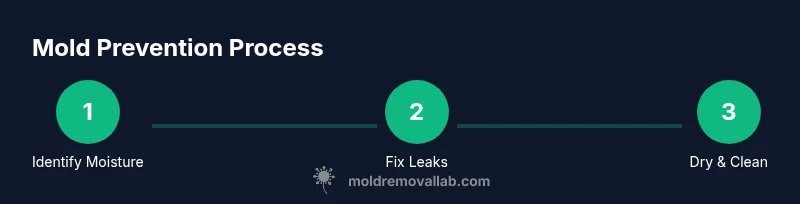
Walk through the home and note any damp spots, condensation, leaks, or water stains. Pay attention to bathrooms, kitchens, basements, and around windows. Document areas that stay damp after cleaning or rain.
Tip: Use a moisture meter to compare RH levels across rooms and pinpoint hotspots. - 2
Repair leaks and fix water intrusion
Address any active leaks in roofs, pipes, or walls promptly. Replace or seal damaged materials as needed and ensure proper drainage away from the foundation. Temporary fixes can slow mold growth while permanent repairs are scheduled.
Tip: Take photos before and after repairs to guide follow-up work and insurance claims if applicable. - 3
Dry affected areas thoroughly
After cleaning or a leak, use fans and dehumidifiers to accelerate drying. Allow at least 24-48 hours of dedicated drying time, and recheck for moisture before finishing or repainting.
Tip: Keep doors open and circulate air to prevent damp pockets from forming. - 4
Clean and sanitize mold-prone surfaces
For non-porous surfaces, scrub with mild detergent and rinse, then disinfect lightly. Porous materials like drywall, fabric, or carpet may require removal or professional remediation if mold has penetrated deeply.
Tip: Do not use bleach on porous materials; it can damage surfaces and release fumes. - 5
Improve ventilation and regulate humidity
Install or upgrade exhaust fans in bathrooms and kitchens. Use a dehumidifier in damp areas and keep RH below 50% where possible. Ensure rooms have adequate airflow to prevent stagnation.
Tip: After showering, run exhaust fans for at least 20 minutes to remove moisture efficiently. - 6
Monitor moisture and schedule maintenance
Regularly check for new dampness, condensation, or odors. Use the moisture meter to track RH, especially after rain. Schedule seasonal maintenance for gutters, roofing, and seals.
Tip: Keep a simple moisture log to spot recurring issues early. - 7
Seal and protect vulnerable areas
Seal gaps around plumbing fixtures, windows, and doors with appropriate caulk or sealant to prevent moisture intrusion. Insulate cold surfaces to reduce condensation.
Tip: Choose mold-resistant sealants for long-term protection. - 8
Decide on professional help when needed
If you notice persistent growth, extensive staining, or growth behind walls, consult a licensed professional. Large areas or unknown sources require trained remediation.
Tip: Document evidence of growth and keep a sample log if you ever need a professional assessment.
FAQ
What is the safest humidity level to prevent mold growth in a home?
Aim to keep indoor relative humidity below 50% in most homes. In humid climates, staying under 50-60% reduces the risk of mold growth, especially in poorly ventilated spaces.
Try to keep humidity under 50 percent most of the time; this helps prevent mold from taking hold.
Is bleach effective for mold on wooden surfaces?
Bleach is often not effective on porous materials like wood because mold can penetrate below the surface. For wood, drying thoroughly and, if needed, replacing affected sections is usually recommended. For non-porous surfaces, bleach can be used cautiously.
Bleach isn’t ideal on wood; it may not reach embedded mold. Dry thoroughly and replace damaged wood if needed.
Can moisture control alone prevent mold growth?
Moisture control is the foundation, but mold prevention also requires regular cleaning, proper ventilation, and prompt repair of leaks. A multi-pronged approach is most effective.
Moisture control is essential, but combine it with cleaning and ventilation for best results.
When should I hire a professional for mold?
If you see large areas of growth, growth behind walls, persistent dampness after repairs, or health symptoms linked to mold exposure, contact a licensed mold remediation professional promptly.
Call a professional if growth is extensive or not resolving after cleaning and leaks are fixed.
How long does mold remediation typically take in a home?
Remediation duration varies with the extent of growth and the materials involved. A small, contained area may be cleared within days, while larger jobs can take longer. A professional assessment provides a precise timeframe.
It depends on how much mold there is; a pro can give a clear estimate after inspection.
Are houseplants a mold risk?
Overwatering and poor drainage around plants can create damp microenvironments. Keep plants in well-ventilated areas and avoid letting soil stay wet.
Plants aren’t the main mold culprit, but overwatering can contribute to damp spots.
Watch Video
The Essentials
- Control moisture first, mold follows moisture.
- Address leaks promptly to stop growth at the source.
- Ventilation and dehumidification are powerful everyday tools.
- Use safe cleaners and protect yourself during cleanup.
- When in doubt, consult a professional for persistent growth.