Can Black Mold Be Removed? A Practical Guide
Learn safe, proven methods to remove black mold and prevent regrowth. Step-by-step guidance, safety tips, and when to call a pro.


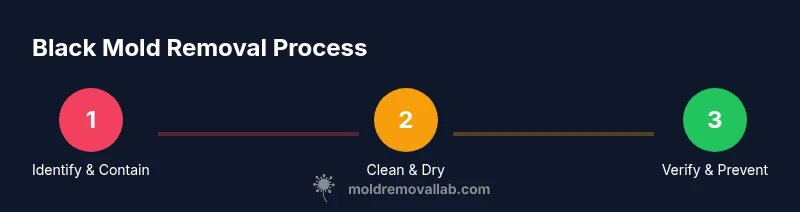
To remove black mold safely, you must address moisture first, assess containment, and follow proven remediation steps. Small, surface-level mold can sometimes be cleaned with appropriate PPE and cleaners, but extensive contamination, hidden growth, or mold behind walls requires professional remediation. Always verify moisture sources and perform post-remediation testing to confirm removal.
What counts as black mold and why it matters
According to Mold Removal Lab, black mold (often identified as Stachybotrys chartarum) is frequently linked to chronic moisture problems such as roof leaks or plumbing failures. It thrives in damp spaces and may produce mycotoxins that irritate the eyes, skin, and lungs, especially for children, seniors, and people with mold allergies. The Mold Removal Lab team found that identifying mold species can be challenging without sampling, but visible growth, a musty odor, and moisture history are strong signals that remediation is required. In practical terms, black mold is more than a visible stain—it signals an active moisture problem that could damage building materials if ignored. This block sets the context for safe, effective remediation, and emphasizes that removing mold is typically part of a moisture-control strategy rather than a one-off cleaning job. The goal is to stop the source of moisture, isolate the area, and clean with materials designed for mold control.
DIY removal vs professional remediation: when it’s feasible
Not every mold problem requires a professional crew, but safety and effectiveness depend on scope. If the mold growth is limited to a small, non-porous surface and the area can be clearly contained, a careful DIY approach can be started by homeowners or renters. However, if you see mold on porous materials (drywall, insulation, carpeting), if growth is spreading behind walls, or if there is lingering moisture from a leak that hasn't been fixed, professional remediation is the safer path. A pro has tools to locate hidden growth, control air movement, and ensure that removal materials do not become contaminated again. The key decision factor is the capability to maintain containment and prevent spores from migrating to clean areas. When uncertain, err on the side of caution and consult a licensed remediator. Remember: safe removal is not just about cleaning—it's about stopping moisture and preventing re-growth.
Containment and moisture control basics
Mold spores travel easily through the air; containment reduces spread during cleanup. Start by sealing the work area with plastic sheeting, closing doors, windows, and HVAC registers if possible, and turning off fans that recirculate air. Establish a contained path for waste and use sealed bags. The next part is moisture control: find and fix the water source—think leaky roof, plumbing, or high humidity—and dry the space thoroughly before and after cleaning. Use dehumidifiers or air movers to bring the area down to a stable humidity level and keep it away from occupied living spaces. This approach minimizes cross-contamination and creates a safer cleanup environment for you and others in the home.
Cleaning methods for non-porous surfaces
For hard, non-porous surfaces like glass, metal, and some plastics, use an EPA-registered mold cleaner or a detergent solution. Apply, scrub with a non-abrasive sponge, and rinse. Dry the surface completely and avoid mixing cleaners with bleach or ammonia, which can produce harmful fumes. Keep a log of what you cleaned, and photograph the area before and after to document progress. Note that while non-porous surfaces clean easily, porous materials such as drywall and fabric require different handling and may need replacement.
Porous materials and when to replace
Porous materials—drywall, insulation, carpet, and upholstered fabrics—often absorb mold and are difficult to disinfect completely. In many cases, the prudent choice is removal and replacement rather than attempting to salvage. When removing porous materials, bag contaminated items securely, avoid crushing mold, and dispose according to local regulations. If you must salvage, treat the items with caution and consider professional assessment. After removal, address the underlying moisture problem to prevent immediate re-growth.
Hidden growth and structural remediation
Mold can hide inside wall cavities, under flooring, or behind finished surfaces. Hidden growth requires access through walls or ceilings, which most DIY kits cannot safely handle. Professionals use moisture meters and infrared cameras to detect dampness and hidden colonies, then perform controlled removal with proper containment. If you see persistent odors or damp patches despite cleaning, assume there may be hidden growth and delay any cosmetic repairs until a thorough evaluation is completed. The aim is to remove mold at the source, not only the visible signs.
Post-remediation testing and moisture verification
After visible mold is removed, verification is essential. This includes confirming that the moisture source has been repaired and monitoring indoor humidity levels. A simple way to track progress is with a moisture meter and humidity readings over several days or weeks. If readings stay elevated, further remediation or HVAC adjustments may be needed. Some homeowners opt for third-party testing to validate cleanup, especially in damp basements or areas affected by water damage. This ongoing monitoring helps prevent a relapse.
Common mistakes that undermine removal
Rushing cleanup, using inappropriate cleaners, or ignoring moisture control can all undermine remediation. Do not scrub mold aggressively into porous materials, as this can push spores deeper or damage the substrate. Do not rely on air fresheners or odor eliminators to mask the problem; they do not address the underlying moisture or growth. Do not bypass containment or skip proper waste disposal; spores collected during remediation can recontaminate other areas. As noted above, improper handling may lead to health risks, particularly for sensitive individuals or those with asthma or allergies. Mold Removal Lab analysis shows that incomplete moisture control is the leading cause of regrowth after a cleanup attempt.
Long-term prevention and home maintenance
Regular maintenance routines help reduce the chance of mold returning. Fix leaks promptly, improve drainage around the home, and manage indoor humidity with dehumidifiers in damp areas such as basements or bathrooms. Use exhaust fans during showers and cooking, and ensure proper ventilation throughout the home. Periodically inspect areas that stay damp, such as window frames, kitchens, and laundry rooms, and address any condensation promptly. A clean, dry home is less hospitable to mold growth, which reduces health risks and material damage over time.
The Mold Removal Lab's conclusion: practical recommendations
The Mold Removal Lab team recommends prioritizing moisture control, proper containment, and timely verification when removing black mold. For extensive, hidden, or structurally involved growth, professional remediation is the safest route to protect health and home value. Use proven cleaners, follow manufacturer instructions, and document your remediation process for future maintenance. By focusing on moisture sources and a thorough cleanup protocol, you can reduce the chance of recurrence and keep your living space healthier.
Tools & Materials
- N95 or P100 respirator(P100 preferred for mold spores)
- Protective gloves (nitrile)(Long cuffs recommended)
- Safety goggles(Splash protection)
- Protective coveralls or disposable suit(Keep skin covered)
- Plastic sheeting and tape for containment(Create sealed work zone)
- HEPA vacuum (or HEPA filter attachment)(Prevent airborne spread)
- Detergent or EPA-registered mold cleaner(Follow label directions)
- Non-abrasive scrub sponges(Gentle cleaning)
- Bucket and towels, rags(For cleanup and drying)
- Moisture meter or hygrometer(Monitor humidity)
- Trash bags (heavy-duty, sealable)(Dispose contaminated material)
- Dehumidifier or fans(Drying and air movement)
- Sealant or replacement materials for rebuilt areas(Optional after remediation)
Steps
Estimated time: 2-6 hours
- 1
Identify and isolate the affected area
Locate the mold-affected zone and seal it off to prevent spread. Document visible growth with photos for later comparison.
Tip: Use plastic sheeting to create a contained entrance and exit path. - 2
Put on PPE and prepare tools
Don your respirator, gloves, goggles, and coveralls before handling any mold. Gather all necessary tools within arm’s reach.
Tip: Double-check that PPE is working properly before starting. - 3
Contain the space with plastic sheeting
Seal doors, vents, and gaps with tape and plastic to minimize air movement. Shut down HVAC if safe to do so.
Tip: Keep the door closed during the entire remediation. - 4
Remove contaminated porous materials
Carefully bag and remove drywall, insulation, or carpet that shows mold. Do not shake out contaminated items to avoid releasing spores.
Tip: Contain waste in sealed bags and transport through a single exit. - 5
Clean non-porous surfaces
Wash hard surfaces with an EPA-registered cleaner or detergent solution. Rinse, then dry completely.
Tip: Do not mix cleaners with bleach or ammonia. - 6
Dry the area thoroughly
Use dehumidifiers and fans to reduce humidity and speed drying. Aim for stable, low humidity before removing containment.
Tip: Ventilate only the cleaned area to avoid spreading spores. - 7
Inspect for hidden growth
Check behind walls or under flooring for signs of moisture and mold. If you suspect hidden growth, stop and reassess.
Tip: Infrared cameras or moisture meters can help locate damp zones. - 8
Verify remediation and plan replacement
Ensure moisture sources are addressed and materials removed/cleaned are intact. Plan replacement for removed porous materials if needed.
Tip: Keep documentation of steps and outcomes for future maintenance.
FAQ
Is black mold dangerous to health?
Yes, black mold can irritate eyes, skin, and lungs, especially for sensitive individuals. If you notice persistent symptoms after exposure, consult a healthcare provider and avoid prolonged contact until removal is complete.
Black mold can irritate the eyes, skin, and lungs, especially for sensitive people. If symptoms persist, seek medical advice after addressing the mold.
Can all black mold be removed?
Most black mold can be removed, but success depends on extent, location, and moisture control. Hidden growth or large-scale contamination often requires professional remediation.
Most black mold can be removed, but the extent and moisture control determine whether DIY or professional help is needed.
Should I hire a professional for hidden mold?
Yes. Hidden mold behind walls or in structural areas is difficult to locate and remove safely without specialized equipment and containment.
If you suspect hidden mold, it's best to hire a professional to locate and remove it safely.
Is bleach effective for mold removal?
Bleach can help on non-porous surfaces but is not a cure-all and isn’t effective for porous materials. Always follow label directions and consider safer, more effective cleaners.
Bleach isn’t a universal fix; it works on some surfaces but not all, especially porous ones.
How long does remediation take?
Timing varies with scope. Small areas may take a few hours; larger or more complex jobs can take days, especially if moisture issues persist.
Remediation time depends on how big the job is and whether moisture issues are resolved.
Will mold come back after cleanup?
If moisture sources return and the area isn’t dried properly, mold can recur. Ongoing moisture control and monitoring reduce the risk.
Mold can come back if moisture isn’t controlled; keep monitoring humidity to reduce recurrence.
Watch Video
The Essentials
- Identify moisture sources before cleaning.
- Contain and dry the area to prevent spread.
- DIY removal is feasible for small, non-porous areas; otherwise hire a pro.
- Verify moisture and perform post-remediation testing.