How to Get Mold Out of Fabric: A Practical Guide
Learn practical, step-by-step methods to remove mold from fabric safely. Patch-test first, choose fabric-safe cleaners, wash correctly, and prevent mold return with proper drying and storage.


Learn how to get mold out of fabric safely and effectively. This step-by-step guide covers patch testing, choosing the right cleaners by fabric type, washing and drying properly, and prevention to stop mold from returning. Follow care-label guidance and use simple household products like vinegar, baking soda, and detergent. According to Mold Removal Lab, act quickly to protect your health.
Understanding mold on fabric and why it matters
Mold on fabric isn't just unsightly—it poses health risks and signals excess moisture in your home. According to Mold Removal Lab, textiles can harbor mold spores that become airborne when disturbed, potentially triggering allergies or respiratory irritation for occupants. Prompt, careful removal helps protect your family and preserves clothing, upholstery, and linens. This guide focuses on practical, evidence-based steps homeowners and renters can take using common household supplies. By learning what mold looks like on fabrics, you can differentiate it from ordinary staining and decide when to salvage or discard items. Different molds appear as green, black, or white patches, often with a musty odor. Severe cases may show fuzzy growth or embedded staining that can't be fully removed. The goal is to halt growth, disinfect surfaces near the fabric, and prevent spores from returning by drying and storing items properly. The Mold Removal Lab team emphasizes safety: wear gloves, a mask, and work in a well-ventilated area to minimize inhalation exposure.
Why mold on fabric matters for health and home
Mold spores thrive where moisture is present. Fabrics that stay damp after laundry or exposure to humid environments create ideal conditions for growth. When you handle moldy fabric, spores can become airborne and irritate the eyes, nose, throat, or lungs, especially for people with allergies or asthma. Cleaning furnishings or clothing promptly reduces the risk of recontamination in rooms where people spend time. Beyond health, mold on fabrics can cause odors and permanent staining, diminishing the item’s appearance and value. The remainder of this guide focuses on safe, practical methods you can apply using household supplies.
Assessing fabric safety and care labels
Before you start, read the fabric care label. Some materials tolerate hot water and even gentle bleaching, while others require cold washes or dry cleaning. Patch testing on an inconspicuous area is essential to prevent color loss or fabric damage. If the label advises against heat or certain cleaners, skip those methods and choose alternatives that are gentler on the fiber. Always work in a ventilated area and use gloves to reduce exposure to spores. If you’re dealing with delicate fabrics like silk, wool, or leather, consider professional cleaning options because improper treatments can cause irreversible damage.
Patch testing and choosing care labels
Patch testing helps prevent color fading or fabric damage during mold removal. Apply a small amount of your chosen cleaner to a hidden seam or hem and wait 15–30 minutes to observe any color change. If no color loss occurs, proceed with a small test patch on a visible but inconspicuous area. For most fabrics, mild detergents, white vinegar, or baking soda are safe starting points. Avoid chlorine bleach on colored fabrics and always skip bleach on wool, silk, or elastic fibers unless the label explicitly allows it. Document the test results so you can reference them if you need to restart with a different method.
Pre-treatment considerations by fabric type
Cotton and other natural fibers absorb moisture quickly and can show mold stains more readily, but they also respond well to standard washing methods when treated promptly. Synthetics like polyester or nylon are generally more resistant to staining and can tolerate warmer washes, provided the care label allows it. Delicate fabrics (silk, wool, cashmere) require gentler handling and often avoidance of strong cleaners or high heat. For items with mixed fibers, test the most delicate fiber first and choose a compromise method that minimizes risk to the entire garment. In all cases, ensure fabrics are clean enough to tolerate wash cycles without leaving residues that could encourage mold regrowth.
Cleaning agents overview for fabric mold removal
You have several safe options to start with. White distilled vinegar is a mild, widely available option that can help neutralize odors and disrupt mold growth on many fabrics. Baking soda can be used as a gentle abrasive to lift staining and absorb moisture when made into a paste. Hydrogen peroxide (3%) is effective for white or colorfast fabrics but may bleach some colors, so patch testing is essential. Mild laundry detergents help break down mold residues, and enzymatic cleaners are helpful for organic stains (like sweat or body oils) that mold feeds on. Never mix cleaners like vinegar and hydrogen peroxide in the same container, and never combine bleach with ammonia or some cleaners, as this can create hazardous gases. For stubborn cases or valuable items, consider a professional mold remover’s advice.
Step-by-step stain removal for common fabrics (overview)
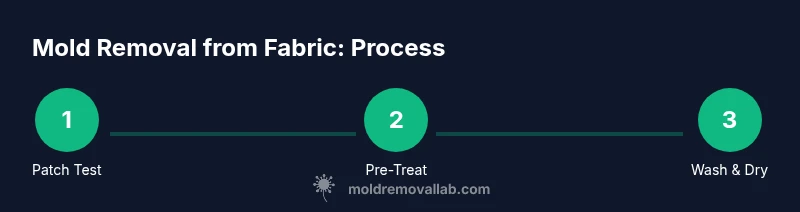
Here is a high-level approach you can apply to most cotton or synthetic fabrics. Begin with patch testing, then apply a safe cleaner to the moldy area, gently agitate, and launder according to care labels. Inspect before drying—heat can set some stains or odors if residue remains. If odors persist after washing, repeat treatment or switch to a different cleaner. For delicate fabrics, use milder methods and consider air-drying flat to avoid distortion. This overview is designed to help you pick the right combination of products and steps for your fabric type.
Step-by-step: care and wash protocol (at-a-glance)
To salvage moldy fabric, you need a method that’s safe for the specific fiber, then a thorough wash and dry routine. Patch test first, then apply a chosen cleaner, rinse, and wash per label instructions. Avoid heat until you confirm the mold is removed. When stored, ensure fabrics are completely dry and kept in a dry environment to prevent re-growth. The key is to act quickly and stick to safe cleaners and correct wash settings.
Drying and storage after treatment
Drying is a critical step in mold remediation. Damp fabrics left in closed spaces or non-ventilated areas can rapidly regrow mold. If weather permits, air-dry outside in the sun, as sunlight has natural mold-inhibiting properties. If you must dry indoors, use a well-ventilated room and a fan to increase air movement. Store cleaned fabrics in a dry, clean area with good air circulation. Regularly inspect stored items for signs of moisture or mildew and remove any items showing regrowth.
Prevention: how to stop mold from returning
Prevention focuses on moisture control, airflow, and prompt drying. Repair leaks and use dehumidifiers in damp rooms. Run exhaust fans in bathrooms and laundry areas, and avoid leaving damp items in closed hampers or baskets. Wash and dry clothing promptly after sweating or getting wet, and store textiles in breathable containers or garment bags. Mold-resistant products and regular cleaning routines can help keep textiles mold-free. The Mold Removal Lab team emphasizes consistent maintenance as the best defense against mold recurrence.
When to seek professional help
If you notice mold returning after cleaning, or if items are valuable, heavily damaged, or harbor persistent odors despite repeated treatment, professional remediation may be the safest option. Professionals can assess moisture sources in your home and offer specialized cleaning methods that reduce the risk of exposure. For large fabrics like upholstered furniture, carpets, or draperies, a pro-cleaning service can ensure thorough mold removal and prevent health risks for occupants. The Mold Removal Lab team recommends consulting a certified mold remediation professional for persistent cases.
Tools & Materials
- White vinegar (5% acidity or standard household vinegar)(For initial deodorizing and mild mold disruption; test colorfastness first)
- Baking soda(Used as paste or in wash to absorb moisture and lift stains)
- Hydrogen peroxide (3%)(Safe on whites; test colorfastness on colors)
- Mild laundry detergent(Choose a dye-free detergent if possible)
- Enzymatic stain remover (optional)(Helpful for organic residues that mold feeds on)
- Color-safe bleach (optional, only if fabric label permits)(Only on colorfast fabrics; zinc or oxygen-based bleaches are safer)
- Soft-bristled brush or old toothbrush(Gentle agitation on stains)
- Measuring cups/spoons(For measured cleaner applications)
- Gloves, mask, and eye protection(Use PPE to minimize exposure to spores)
- Clean basin or bucket(For pre-treatments and soakings)
- Washing machine with hot water option (if fabric label allows)(Hot water helps kill residual mold when safe for fabric)
- Drying rack or clothesline(Ensure full ventilation during drying)
- Vacuum with HEPA filter (optional)(Can help remove loose spores from non-porous surfaces nearby)
Steps
Estimated time: 1-2 hours (excluding full dry time)
- 1
Patch test on hidden area
Bend or turn the fabric to access a hidden seam. Apply a small amount of your planned cleaner to this area and wait 15–30 minutes to check for color change or fiber damage. If everything looks good, you can proceed with the full treatment on the moldy area.
Tip: If any color change occurs, stop and choose a milder cleaner or a different method. - 2
Apply vinegar solution to mold patch
Dampen a clean cloth with white vinegar and gently blot the moldy area. Vinegar helps inhibit mold growth and neutralize odors without affecting most fabrics. Do not saturate heavily; avoid pooling liquid given fabric type.
Tip: Vinegar is a safe first step for many fabrics, but skip on color-sensitive textiles if patch test shows color lift. - 3
Gently scrub with detergent
Mix a small amount of mild laundry detergent with water and gently scrub the moldy area using a soft-bristled brush. Target the affected fibers but avoid aggressive scrubbing that could fray the fabric.
Tip: Always test on a small area first; aggressive scrubbing can damage delicate fibers. - 4
Create and apply baking soda paste
Make a paste using baking soda and water, then apply to the mold stain. Let it sit 15 minutes before rinsing. Baking soda helps lift stains and absorb lingering moisture that mold thrives on.
Tip: Rinse thoroughly to prevent white residue on dark fabrics. - 5
Use hydrogen peroxide on safe fabrics
If the fabric is white or colorfast, apply a small amount of hydrogen peroxide to the stained area. Let it fizz for a few minutes, then blot and rinse. Avoid applying peroxide to dark or dyed materials unless patch-tested.
Tip: Never mix peroxide with vinegar in the same container. - 6
Wash according to care label
Wash the item in the washing machine using the hottest water permitted by the care label and an appropriate amount of detergent. If hot water isn’t allowed, use warm water and a longer wash cycle. Add an extra rinse if possible.
Tip: A longer wash reduces residual spores; avoid overloading the machine so fabrics can move freely. - 7
Air-dry thoroughly in a ventilated area
After washing, remove excess moisture and air-dry the item completely. If possible, sun-dry or use a clothesline in a breezy outdoor area, as sunlight can help reduce microbial growth. Do not leave damp clothes in a closed hamper.
Tip: Ensure the fabric is fully dry before storing to prevent mold rebound. - 8
Inspect and repeat if necessary
Once dry, inspect the fabric for any remaining spots or odors. If signs of mold persist, repeat the chosen treatment or switch to a gentler method appropriate for the fabric type. Do not dry items with lingering mold in a closed space.
Tip: Persistent mold may indicate moisture issues in storage or environment that need addressing.
FAQ
Can mold on fabric be completely removed?
Many fabrics can be mold-free after careful treatment, but some fibers or heavily damaged items may retain stains or odors. If mold returns after cleaning or the fabric shows persistent damage, salvage or replacement may be necessary.
Most fabrics can be returned to mold-free condition with proper cleaning, but some items may be non-salvageable if damage is extensive.
Is it safe to wash moldy clothes at home?
For fabrics labeled as washable and able to tolerate heat, washing at home with appropriate cleaners is usually safe. Separate moldy items and conduct thorough drying in a ventilated area. If you have allergies or asthma, consider professional cleaning for better protection.
Yes, many moldy fabrics can be cleaned at home if the care label allows it, with attention to drying and ventilation.
Should I throw away moldy fabric?
If odors persist after cleaning, or if the fabric is delicate or has structural damage, discarding may be the safest option. For valuable or large items, seek professional assessment before discarding.
If cleaning doesn’t remove the odor or the fabric is damaged, disposal is often safer.
Can mold spores cause health issues after cleaning?
Mold spores can remain airborne during cleaning. Use PPE and ventilate. If symptoms persist after handling moldy fabrics, consult a healthcare professional.
Cleaning can release spores, so protect yourself and ventilate; seek medical advice if symptoms appear.
What’s the difference between natural and synthetic fabrics for mold removal?
Natural fibers like cotton often tolerate more aggressive washing but may stain more easily. Synthetics are usually more forgiving and can tolerate warmer washes where permitted by care labels. Patch-test on both types when dealing with blends.
Cotton can handle more washing, synthetics are usually easier to clean; always patch-test first.
Watch Video
The Essentials
- Patch test before cleaning to protect colors
- Use fabric-safe cleaners and follow care labels
- Dry fabrics completely to prevent mold return
- Address moisture sources to prevent future growth