How to Clean Wood Mold: A Practical Guide for Homeowners
A comprehensive, step-by-step guide for homeowners on how to clean wood mold safely, assess moisture, choose cleaners, dry thoroughly, and prevent regrowth.


Today you’ll learn how to clean wood mold safely and effectively, including deciding when to discard affected wood, which cleaners to use, and how to dry and prevent regrowth. The guide covers PPE, moisture assessment, scrubbing, rinsing, and sealing. According to Mold Removal Lab, following proper mold remediation steps reduces health risks and minimizes cross-contamination in living spaces.
What causes wood mold and why moisture matters
Wood is porous and can absorb moisture from leaks, spills, or high humidity. Mold spores are always present in the home environment, but they require moisture and a food source to grow—wood often provides both. When wood remains damp for 24-48 hours, mold colonies can start to form. The phrase how to clean wood mold surfaces often arises after visible staining or musty odors. In this section we discuss moisture sources (roof leaks, plumbing, condensation) and why addressing moisture is the first and most important step in any remediation. We'll differentiate between surface mold on painted wood versus embedded mold in unfinished wood, which affects how aggressively you should clean and whether to replace material. According to Mold Removal Lab, the best outcomes come from a moisture-control-first approach combined with careful cleaning to prevent cross-contamination. We also cover how to evaluate damage to decide if replacement is necessary. For wood that has absorbed water deeply or shows warping, splitting, or soft spots, replacement is often safer than attempting to salvage. If you're unsure, start with a moisture meter reading; if readings stay high after drying attempts, consult a professional.
Safety first: PPE, ventilation, and containment
Safety is non-negotiable when cleaning wood mold. Wear an NIOSH-approved respirator (not just a dust mask), chemical-resistant gloves, and eye protection. Ventilate the area with open windows or a fan placed away from the work to move air without blowing spores toward others. Use plastic sheeting to seal off the work zone and prevent cross-contamination to other rooms. Keep children and pets out during cleaning, and avoid using fans that circulate air back into living spaces. If you have asthma or allergies, consider postponing cleaning until conditions are optimal and consult a professional if the area is large or heavily infested.
Assessing wood condition and preparing the area
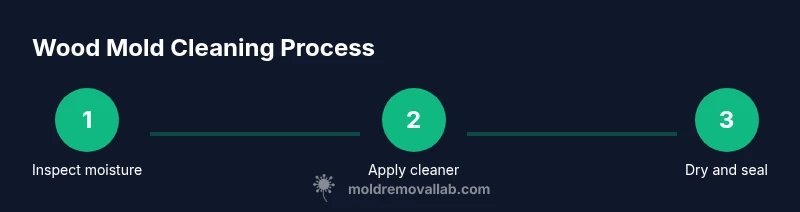
Before cleaning, inspect the wood to determine how deeply mold has penetrated. If the wood is painted and intact, surface mold is easier to remove; if the finish is compromised or the wood is porous and damp, you may need to treat, dry, or replace. Clear the area, remove movable items, and cover adjacent surfaces with protective plastic. Mark any areas showing softening, cracking, or persistent odor; these indicate moisture problems that must be resolved first. Use a moisture meter to establish a baseline reading and plan for drying, then set a realistic goal for the cleaning session after ensuring the source of moisture is addressed. Remember, effective remediation relies on controlling humidity long-term, not just cleaning the surface.
Cleaning agents: what to use and what to avoid
For wood mold, mild soap and water or a non-ammonia cleaner is often a good starting point. A borax solution can help inhibit new mold growth on wood surfaces; mix a cup of borax into a gallon of water and apply with a sponge after cleaning. Isopropyl alcohol can be used on non-porous finishes, but avoid letting harsh solvents soak into porous wood. Bleach is generally not recommended for porous wood because it may not penetrate thoroughly and could produce fumes; if used, it should be highly diluted and applied cautiously on sealed surfaces. Always test cleaners on a small, inconspicuous area first to avoid discoloration or damage.
Cleaning technique: step-by-step approach to wood surfaces
Start by removing any visibly loose mold with a dry brush or vacuum equipped with a HEPA filter. Then apply your chosen cleaner to a small area and scrub gently with a soft brush to lift mold without damaging the wood grain. Rinse with a clean damp cloth and allow the surface to dry completely before rechecking for remaining mold. If staining persists, reapply cleaners in thin layers rather than saturating the wood. Finish with a light coat of borax solution to deter future growth, then continue to ventilate and dry the area.
Drying, sealing, and prevention of future mold growth
Drying is critical to prevent recurrence. Use dehumidifiers and fans to maintain humidity below 60% in the treated area, and ensure good airflow for 24-72 hours after cleaning. Re-assess moisture levels after drying; if the wood remains damp, prolong the drying period or remove the affected wood if structural integrity is compromised. Once dry, consider sealing or finishing the wood with a breathable sealant appropriate for the wood type to reduce moisture absorption. Finally, address root causes—fix leaks, improve ventilation, and control indoor humidity through dehumidification and proper insulation—to deter future mold growth.
Authoritative sources
For additional guidance, consult reputable sources on mold and moisture management:
- https://www.epa.gov/mold/mold-guide
- https://www.cdc.gov/mold/default.htm
- https://www.osha.gov/mold
Tools & Materials
- PPE: NIOSH-approved respirator, chemical-resistant gloves, goggles(Ensure proper fit; use organic vapor cartridges if solvents are involved)
- Plastic sheeting and tape(Create containment around the work area)
- Soft brushes and microfiber cloths(Non-abrasive to avoid damaging wood surface)
- Mild soap or non-ammonia cleaner(Avoid harsh solvents on unfinished wood)
- Borax and water(Inhibits future mold growth on wood)
- Isopropyl alcohol (optional)(Use on sealed or nonporous surfaces only)
- Vacuum with HEPA filter(Helps capture spores during cleanup)
- Dehumidifier and/or fan(Maintain humidity below 60% in the area)
- Moisture meter(Measure and confirm drying before concluding work)
- Wood sealant or finish suitable for the wood type(Use after drying to reduce moisture uptake)
Steps
Estimated time: 2-3 days
- 1
Assess moisture and damage
Scan the area for moisture intrusion and mold extent. Use a moisture meter to establish a baseline and identify areas requiring remediation beyond cleaning. If wood is soft or rotted, plan for replacement rather than restoration.
Tip: Document mold extent with photos before starting cleanup. - 2
Set up containment
Hide the work zone with plastic sheeting to prevent spore spread. Seal doorways and vents as needed, and turn off HVAC in adjacent rooms to avoid cross-contamination.
Tip: Keep the rest of the home sealed off during cleaning. - 3
Wear PPE and prepare cleaners
Put on respirator, gloves, and eye protection. Prepare mild soap or a non-ammonia cleaner, and have borax solution ready for post-cleaning treatment.
Tip: Always test cleaners in a small area first. - 4
Remove loose spores
Gently brush or vacuum loose mold from the surface with a HEPA-filter unit. Avoid agitating mold deeper into the wood fibers.
Tip: Do not use a dry broom on porous wood; it can spread spores. - 5
Apply cleaner and scrub
Apply cleaner to a microfiber cloth and scrub along the grain with light pressure. For stubborn stains, use a soft brush in a circular motion.
Tip: Work in thin layers to prevent saturating the wood. - 6
Rinse and dry
Wipe with a clean damp cloth to remove residue. Begin drying immediately with dehumidifiers and fans; ensure good airflow over the surface.
Tip: Do not leave damp wood exposed for extended periods. - 7
Treat and seal
If the wood is dry, apply a borax solution to deter future growth, then seal with an appropriate finish if the wood is sound. Avoid sealing unfinished wood too aggressively.
Tip: Choose breathable sealants to prevent moisture entrapment. - 8
Reassess and prevent recurrence
Re-measure moisture levels after 24-48 hours and recheck for musty odors. Address any moisture sources and adjust humidity control to prevent future mold.
Tip: Keep humidity below 60% year-round to minimize mold risk.
FAQ
Is it safe to clean wood mold myself?
Small areas with proper PPE and ventilation can be cleaned by homeowners. If you have health risks or mold covers a large area, hire a professional.
Yes, for small areas with proper PPE and ventilation, but seek professional help if the area is large or health issues exist.
Can bleach effectively remove mold from wood?
Bleach is not ideal for porous wood because it may not penetrate deeply and can damage the finish. Use milder cleaners first and reserve bleach only for sealed, nonporous surfaces if necessary.
Bleach isn’t usually the best choice for mold on wood; try milder cleaners first and avoid porous wood when possible.
When should I replace moldy wood?
If the wood is soft, rotted, warped, or structurally compromised, replacement is safer than cleaning. For minor surface mold on solid wood, cleaning and sealing may suffice.
Replace wood if it shows rot or structural damage; otherwise, cleaning and sealing may be enough.
Will mold return after cleaning?
It can return if moisture sources aren’t fixed. Ensure drying is complete and humidity is controlled to reduce the chance of regrowth.
Yes, if moisture isn’t controlled, mold can come back even after cleaning.
What is the best approach to mold on wood in kitchens or bathrooms?
Treat with a gentle cleaner, ensure thorough drying, and use breathable finishes. Consider installing better ventilation and dehumidification in humid areas.
Clean with a gentle cleaner, dry completely, and improve ventilation to prevent recurrence.
How long does it take wood to dry after cleaning?
Drying times vary with humidity and airflow, typically 24-72 hours in well-ventilated spaces. Use a moisture meter to confirm dryness before finishing.
Drying usually takes 1-3 days depending on ventilation and humidity.
Watch Video
The Essentials
- Test moisture before and after cleaning
- Wear proper PPE and isolate the work area
- Dry thoroughly to prevent regrowth
- Use borax or approved sealants to deter mold
- Address underlying moisture sources to prevent recurrence