Kill Mold in Wood: Safe, Practical Mold Remediation Guide
Learn step-by-step how to kill mold in wood safely, addressing moisture, choosing cleaners, drying thoroughly, sealing, and prevention. Includes safety tips and when to call a pro. Mold Removal Lab guidance, 2026.


You will learn how to kill mold in wood safely by stopping moisture, cleaning with appropriate agents, and finishing with a protective finish. This guide covers inspection, cleaning methods, drying, sealing, and prevention, plus safety tips and red flags for professional help. Gather PPE, ventilation, a dehumidifier, and proven cleaners before you start. According to Mold Removal Lab, following these steps reduces mold exposure risks.
What mold in wood is and why it happens
Mold on wood is a sign that moisture has persisted in or around a wooden surface. It can appear as green, black, or white patches and may feel powdery or slimy. Mold can take hold in porous wood where water has lingered, or on unfinished surfaces that absorb humidity. To effectively kill mold in wood, you must address the moisture source first and then follow a cleaning and drying routine. According to Mold Removal Lab, moisture control is the single most important factor in preventing mold from returning and protecting indoor air quality.
Safety first: PPE and assessment
Before you touch any moldy wood, put on a proper PPE kit: an N95 respirator, splash goggles, and disposable gloves. Isolate the area to prevent spores from spreading to other rooms, and turn on ventilation. Use a moisture meter if available to gauge dampness levels and identify hidden pockets of moisture behind walls or in joints. If you notice a persistent leak, obvious structural damage, or mold covering large areas, consider pausing and consulting a professional.
Immediate actions to stop spread and moisture
Containment is essential. Close doors, cover nearby floors with drop cloths, and avoid disturbing moldy surfaces aggressively, which can aerosolize spores. Address the moisture source by stopping a leak, drying any standing water, and increasing airflow with fans directed away from your body. The goal is to reduce surface moisture quickly and prevent spores from migrating to clean areas of the home.
Cleaning options: natural cleaners vs chemicals
For many wood mold situations, start with a mild detergent or wood-safe cleaner to remove visible mold. White vinegar (undiluted or 1:1 with water) can be applied to non-porous surfaces to slow regrowth, while hydrogen peroxide 3% can disinfect without harsh chemicals. Avoid mixing cleaners (especially ammonia with bleach) as this creates toxic gases. Bleach is generally not ideal for porous wood and can damage finishes while not reaching embedded mold.
Treating wood types: porous vs sealed surfaces
Porous and unfinished wood acts differently than sealed or painted wood. Unfinished surfaces absorb moisture and harbor mold deeper, requiring longer drying and potentially light sanding. Sealed or painted wood is somewhat easier to clean, but mold growth beneath the seal can still occur if moisture intrudes. In all cases, allow time for thorough drying and inspect for staining or discoloration that signals deeper damage.
Drying and moisture control: how to dry wood effectively
Drying is a critical step after cleaning. Increase airflow with fans and dehumidification to pull moisture from wood fibers. Aim to reduce ambient humidity and dry the surface thoroughly before any refinishing. This may take 24 to 72 hours or longer depending on room conditions, so plan for extended drying periods and keep the area ventilated.
Repairing wood and finishing to prevent return
If wood has surface flaws after drying, you can light-sand or planed smooth to create a clean surface for sealing. Apply a suitable wood sealant or preservative to protect against future moisture intrusion, followed by your preferred finish. Sealing helps reduce the wood’s ability to absorb moisture and resists mold regrowth when moisture levels rise again.
Prevention strategies for future mold growth
To prevent recurrence, control humidity, fix leaks promptly, and ensure good air exchange in problem areas like basements and bathrooms. Regularly inspect wood surfaces after heavy rain or seasonal changes, clean up condensation, and consider mold-resistant paints or finishes for high-risk spaces. A proactive moisture management plan minimizes future mold growth on wood.
When to call a professional remediation service
If mold covers a large area (larger than a few square feet), involves structural members, or you have preexisting health concerns like asthma, seek professional remediation. DIY attempts can disturb hidden mold and worsen exposure without proper containment and specialized equipment. A licensed pro can safely assess, remediate, and restore affected wood surfaces with proven methods.
Common DIY mistakes to avoid when killing mold in wood
Don’t rush the drying phase or skip moisture control, as residual dampness enables mold to rebound. Avoid using bleach as a blanket solution on porous wood, and never mix cleaners. Skipping proper PPE can also expose you to spores. Finally, avoid sanding moldy wood without containment, as dust can spread mold fragments into the air.
Mold Removal Lab insights and homeowner checklist
Brand-backed guidance emphasizes moisture control, surface cleaning, and careful finishing to protect wood from mold. Mold Removal Lab recommends checking for hidden moisture sources, using proven cleaners, and sealing wood after drying. For ongoing protection, maintain indoor humidity, inspect for leaks, and re-test after remediation.
Quick homeowner checklist for mold on wood
- Identify and fix moisture sources. - Clean with wood-safe products. - Dry wood completely. - Seal or finish to protect. - Monitor humidity and recheck for signs of mold growth.
Tools & Materials
- PPE kit (N95 mask, safety goggles, disposable gloves)(Ensure proper seal; replace between rooms if contaminated.)
- Plastic sheeting and tape(Create a containment zone around affected area.)
- Mild detergent or wood-safe cleaner(Used for initial wipe-down of visible mold.)
- White vinegar (5–8% acidity)(Natural cleaner; apply undiluted or diluted 1:1 with water.)
- Hydrogen peroxide 3% solution(Disinfectant; spray on moldy surfaces and let sit 5–10 minutes.)
- Scrub brushes and non-scratch sponge(Use separate tools for moldy areas; avoid scratching wood.)
- Dehumidifier and/or high-velocity fans(Run to reduce humidity and speed up drying.)
- Moisture meter or hygrometer(Track moisture to ensure thorough drying.)
- Sandpaper (120–220 grit)(Lightly smooth dried areas before sealing.)
- Wood sealant or preservative(Apply after drying to protect wood from future moisture.)
- Disposable waste bags(Contain moldy debris securely for disposal.)
Steps
Estimated time: 4-8 hours (plus additional drying time as needed)
- 1
Identify moisture sources
Inspect the area for leaks, damp insulation, or condensation. Document and plan to fix the source before proceeding with cleaning.
Tip: Take photos and note locations to guide repair work. - 2
Contain and prep the area
Seal the workspace with plastic sheeting, turn on fans away from you, and remove loose items to reduce contamination.
Tip: Keep doors closed and limit access to the room during remediation. - 3
Clean visible mold with detergent
Wipe moldy surfaces with a wood-safe cleaner to remove the visible growth. Rinse with water and allow to dry briefly.
Tip: Do not scrub aggressively—this can launch spores into the air. - 4
Disinfect moldy wood
Apply white vinegar or hydrogen peroxide to disinfect; let the solution sit for several minutes before wiping away.
Tip: Use separate products in alternating passes to avoid residue buildup. - 5
Dry the area completely
Run a dehumidifier and fans to lower ambient moisture until the wood is dry to the touch and the moisture meter reads stable.
Tip: Check multiple locations, including hidden pockets behind panels. - 6
Repair and seal the wood
Lightly sand dried areas, then apply a wood sealant or preservative followed by your chosen finish to create a moisture barrier.
Tip: Allow sufficient curing time for each layer before applying the next. - 7
Monitor and prevent recurrence
Recheck humidity levels over the next weeks, inspect for leaks, and re-test for mold signs after seasons of high moisture.
Tip: Maintain a regular home moisture plan and address issues promptly.
FAQ
How can I tell if wood mold is active or just dirt?
Active mold usually appears as fuzzy patches and a musty odor, and can spread when moisture is present. Clean, dry, and recheck after 24-48 hours.
Active mold shows as fuzzy patches and needs drying and cleaning; recheck after 1-2 days.
Is bleach safe for wood mold?
Bleach can kill surface mold but is often ineffective on porous wood and may damage finishes. Prefer non-toxic cleaners and proper drying.
Bleach may not reach embedded mold in wood and can harm finishes.
How long does it take wood to dry after cleaning?
Drying time depends on room humidity and airflow; with dehumidification, expect roughly 1–3 days for thorough drying.
Drying usually takes one to several days with good airflow and moisture control.
When should I replace moldy wood?
If wood is structurally compromised, deeply penetrated by mold, or damaged beyond repair, replacement is safer than remediation.
If wood is structurally damaged or deeply Moldy, replacement is best.
Are there health risks from wood mold?
Exposure can trigger allergies or respiratory issues; minimize exposure by using PPE and ensuring proper ventilation during cleanup.
Mold exposure can affect breathing; protect yourself during cleanup and ventilate well.
Can I prevent mold from returning after cleaning?
Yes. Fix moisture problems, improve ventilation, and finish wood with a sealant to reduce moisture absorption.
Prevent recurrence by fixing leaks, boosting airflow, and sealing wood.
Watch Video
The Essentials
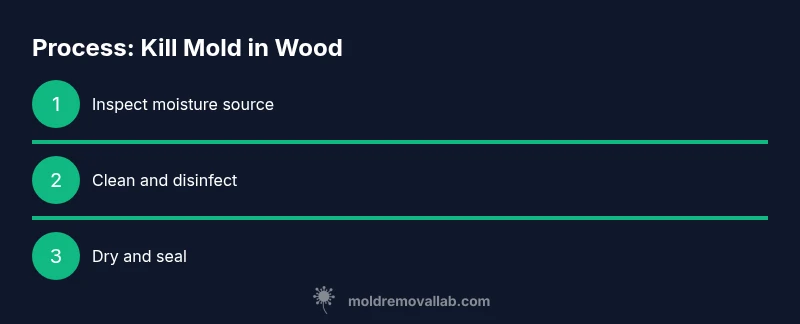
- Inspect moisture sources and fix them first
- Choose wood-safe cleaners and avoid harmful mixes
- Dry wood completely before refinishing
- Seal wood to reduce future moisture uptake
- Monitor indoor humidity to prevent mold rebound