What Kills Mold on Wood: A Practical Removal Guide
Learn what kills mold on wood and how to safely clean, dry, and prevent mold growth. A step-by-step guide with expert insights from Mold Removal Lab for homeowners and renters.


To kill mold on wood, identify moisture sources and choose a safe cleaner. This guide walks you from containment to prevention, including prep, cleaning, drying, and sealing. Use EPA-registered products or proven natural options; for large infestations or porous wood, consider professional remediation. Early action improves outcomes and reduces health risks for occupants.
Understanding Mold on Wood and What Kills It
Mold growth on wood is typically driven by persistent moisture, porous surfaces, and limited air circulation. Wood fibers soak up moisture, creating microenvironments where spores can attach and colonies can form. The question what kills mold on wood has a practical answer: combine moisture control with proper cleaning and thorough drying. According to Mold Removal Lab, limiting moisture is the single most effective strategy for preventing regrowth after cleanup. Even after you remove visible mold, reappearing growth is common if the moisture source isn’t addressed, such as a leaky roof, condensation, or poor ventilation. For homeowners, the most reliable approach is a two-pronged plan: fix the moisture problem first, then treat the affected wood and monitor the area. Distinguish between light surface growth and deeply penetrated mold species; surface fungi may lift with cleaning, while penetrating growth can require longer remediation or replacement. Protect your health during cleanup by wearing PPE and ensuring good airflow to minimize inhalation of spores.
Safety and Preparation: Containment, PPE, and Ventilation
Cleanup should begin with safety in mind. Set up containment to prevent spores from spreading to other rooms, such as isolating the work area with plastic sheeting. Wear PPE: a fit-tested N95 mask, chemical-resistant gloves, and eye protection. Ensure the space is well ventilated, using fans to direct air toward open windows or outside, not into other living areas. If possible, turn off the HVAC system to reduce cross-contamination. Before touching any moldy surface, inspect for wood damage or rot and plan whether to remove or replace compromised sections. Protect nearby valuables with drop cloths and keep doors closed during the job. According to Mold Removal Lab, focusing on moisture control first minimizes future regrowth and health risks.
Cleaning Agents: What Works on Wood Surfaces
Wood is porous and often finished, which complicates cleaning. For light surface growth, test a hidden area to see how the finish responds. White vinegar can help slow recurrence for mild cases, while EPA-registered mold cleaners may offer stronger action for tougher growth. Hydrogen peroxide (3%) is another option for milder contamination. Avoid bleach on wood; it can damage the wood and may not reach mold that has penetrated into fibers. Always follow product labels and test a small, inconspicuous area first. After selecting an agent, apply it to a small area, wait the recommended contact time, and gently scrub with a soft-bristle brush without saturating the wood. Do not over-wet wood or seal in moisture, which invites more mold.
The Cleaning Process: A Practical Approach
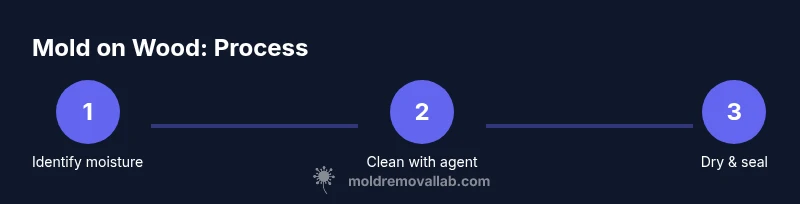
This section expands on the step-by-step process and explains how to balance cleaning effectiveness with wood protection. Start with containment, then remove surface moisture and dry the area as quickly as possible. Choose the appropriate cleaner, apply to the affected surface, and scrub gently to lift mold without damaging the wood finish. Wipe away residue and ensure the surface is dry before moving to the next step. If the wood shows signs of rot or extensive penetration, plan for replacement rather than restoration, to avoid ongoing health risks. Based on Mold Removal Lab research, consistent moisture control combined with proper cleaning yields the best long-term results.
Drying, Sealing, and Preventing Regrowth
Drying is critical after cleaning. Use dehumidifiers or fans to promote thorough drying, ideally reducing ambient humidity to levels that discourage new mold growth. Once dry, apply a wood sealant, stain, or penetrating oil to reduce porosity and protect against future moisture intrusion. Inspect the area daily for a week after treatment and re-run the cleaning steps if new growth appears. Maintaining stable humidity, fixing leaks promptly, and improving ventilation will dramatically reduce the chance of mold returning on wooden surfaces.
When Wood Is Severely Compromised or Structural
If wood shows deep rot, termite damage, or structural weakness, a simple cleaning may not be enough. Severely compromised boards may need to be removed and replaced to restore safety and integrity. Never rely on surface treatments to fix structural problems, and consult a professional if you suspect load-bearing wood or hidden mold behind walls. Taking early action on visible mold is important, but if underlying moisture or wood damage is present, professional remediation may be the safest option.
Real-World Scenarios: Light Growth vs Deep Infestation
In homes, you may encounter light mold growth on trim or non-porous surfaces, which is often manageable with careful cleaning and moisture control. Deeper infestation within porous wood such as pine beams or cabinets requires more thorough drying, possible removal of affected sections, and long-term moisture management. The goal is to eliminate visible mold and prevent regrowth by maintaining low humidity, repairing leaks, and ensuring good air circulation. Treat all mold problems seriously, but tailor your approach to the extent of growth and the wood’s condition.
Maintenance Checklist to Prevent Future Mold on Wood
- Fix leaks and reduce indoor humidity (ideally below 50%).
- Improve ventilation in kitchens, bathrooms, and basements.
- Clean up spills promptly and dry surfaces within 24-48 hours.
- Inspect wood surfaces regularly, especially after extreme weather or plumbing changes.
- Use a wood sealant or finishing coat on vulnerable areas to reduce porosity and moisture uptake.
Tools & Materials
- Personal protective equipment (PPE): N95 mask, safety goggles, gloves(Gown or long sleeves recommended for extensive projects)
- Plastic sheeting/drop cloths(To create containment and protect surrounding areas)
- Soft-bristle brush or sponge(Non-abrasive to avoid scratching wood finish)
- Pail and spray bottle(For applying cleaners and rinsing as needed)
- EPA-registered mold cleaner or white vinegar(Follow label directions; test a hidden area first)
- Dehumidifier or fans(Use to promote rapid drying and reduce humidity)
- Wood sealant or penetrating oil(Optional post-clean treatment to reduce porosity)
Steps
Estimated time: 2-6 hours (not including natural drying time)
- 1
Prepare and contain the area
Set up containment with plastic sheeting to minimize spread. Don PPE before touching any moldy surfaces and remove or cover nearby items. Create a clear plan for cleaning and drying, including where to dispose of contaminated materials.
Tip: Keep doors and vents closed; direct airflow away from living spaces. - 2
Identify moisture sources
Inspect for leaks, condensation, or high humidity contributing to mold growth. Repair leaks promptly and consider improving ventilation in problem rooms. Use a humidity meter to monitor moisture levels.
Tip: Prioritize fixes that address the root moisture problem, not just the mold. - 3
Choose and test a cleaning method
Select an appropriate cleaner for the wood type and finish. Test on a hidden area to ensure it does not cause damage or discoloration before applying widely.
Tip: If wood is unfinished or heavily absorbed, proceed with gentler cleaners first. - 4
Apply cleaner and scrub
Apply the cleaner to the moldy area and scrub gently with a soft-bristle brush. Work in the direction of the wood grain and avoid saturating wood fibers to prevent further moisture uptake.
Tip: Work in small sections to maintain control and prevent spread. - 5
Rinse, dry, and re-check
Wipe away residue and allow the surface to dry thoroughly. Use a dehumidifier or fans to accelerate drying and re-check the area after several hours for any remaining growth.
Tip: Do not overwrite the wood with moisture; dryness is essential for prevention. - 6
Seal and monitor
Once dry, apply a wood sealant or finish and monitor regularly for signs of moisture intrusion. Maintain a maintenance routine to protect wood surfaces from future mold growth.
Tip: Keep a moisture-control plan in a visible place as a reminder.
FAQ
Can bleach kill mold on wood?
Bleach can neutralize surface mold on nonporous materials, but wood is porous and mold roots can remain in fibers. Bleach may damage wood finishes and is not the best option for wood remediation. Use milder cleaners and focus on moisture control.
Bleach is not ideal for wood because mold can live in the wood fibers, and it can damage the surface finish. Consider safer cleaners and moisture control instead.
Is mold on wood dangerous to health?
Mold exposure can affect health, especially for sensitive individuals. If you notice symptoms or have widespread growth, limit exposure and consider professional remediation for larger problems.
Mold can affect health, particularly if you’re sensitive. Limit exposure and consider professional help for larger problems.
How long does wood take to dry after cleaning?
Drying time varies with humidity, temperature, and ventilation. In typical indoor conditions with airflow, expect the surface to be dry within 24-72 hours, but full ambient dryness may take longer.
Drying time depends on humidity and airflow, but you’ll often see dry wood within a couple of days with proper ventilation.
When should I call a professional?
If mold covers a large area, wood is visibly rotted, or you suspect mold behind walls or in hard-to-reach spots, professional remediation is advised to ensure safety and thorough cleanup.
Call a professional if mold is extensive or you think it’s behind walls or in structural wood.
What’s the best way to prevent mold on wood long term?
Keep humidity low, fix leaks promptly, ensure proper ventilation, and dry any spills quickly. Regular inspections help catch problems before they become mold growth.
Keep humidity down, fix leaks fast, and dry spills quickly to prevent mold from returning.
Watch Video
The Essentials
- Moisture control is the most important step to prevent mold on wood.
- Choose appropriate cleaners and test a hidden area first.
- Dry thoroughly and seal to protect wood from future growth.
- Address any wood rot or structural damage with professional help when needed.