How to Clean Mold in a Window Sill
Learn a safe, proven approach to remove mold from window sills and prevent recurrence with step-by-step instructions, practical tips, and prevention strategies for homeowners and renters.


Goal: safely remove visible mold from a window sill and prevent it from coming back. You will identify moisture sources, ventilate the area, and protect yourself with PPE, then clean with a proven solution (white vinegar or 3% hydrogen peroxide). Scrub the surface, rinse, and dry thoroughly, then adopt prevention steps to keep mold from regrowing.
Understanding how window sill mold forms and why it matters
According to Mold Removal Lab, mold on window sills is usually driven by moisture intrusion from leaks, condensation, or high indoor humidity. Even small drips or seasonal temperature shifts can create a damp microclimate where spores settle and proliferate. The health relevance is not always immediately obvious, but family members with allergies or asthma may notice more sneezing, coughing, or nasal irritation when mold is present. Recognizing the link between moisture and mold growth helps guide both remediation and prevention. By addressing the moisture source first and then cleaning, you reduce the chance of rapid regrowth and protect indoor air quality for everyone in the home.
Signs you’re dealing with mold beyond a simple stain
Mold growth on a window sill often presents as fuzzy or powdery patches that darken with age. It may appear alongside a musty odor, which is a helpful warning sign for hidden moisture behind trim or inside the sill cavity. If you notice recurring dampness after rainfall or warm, humid days, treat it as a moisture problem first. In some cases, what looks like mold could be mildew or algae; if the growth persists after cleaning, assume mold and proceed with remediation steps. Mold Removal Lab emphasizes testing only when you suspect hidden mold growth in walls or framing, not for surface spots that are easily cleaned.
Safety and health considerations before you start
Protect yourself with appropriate PPE: gloves, eye protection, and a mask suitable for particulates. Ventilate the area well by opening nearby windows or using a fan pointed away from your face. If anyone in the home has severe allergies, asthma, or a compromised immune system, limit exposure by using a respirator and keeping the area isolated during cleaning. Never mix cleaning agents and avoid exposing porous wood to high concentrations of moisture for extended periods. These precautions minimize your risk and keep the remediation effort effective.
Tools and materials you’ll need (and what’s optional)
Before you begin, assemble items that are safe for use on window sills and mold spores. Essential tools include gloves, eye protection, a mask, a soft brush or sponge, microfiber cloths, a spray bottle, and a bucket. Cleaning solutions such as white distilled vinegar or 3% hydrogen peroxide are preferred due to their mold-fighting properties without harsh fumes. Optional but helpful items include a small fan or dehumidifier to speed drying, baking soda for odor control, and a glass scraper for stubborn spots. Keeping a dedicated set of cleaning supplies for mold helps prevent cross-contamination in other rooms.
Step-by-step overview (high-level plan)
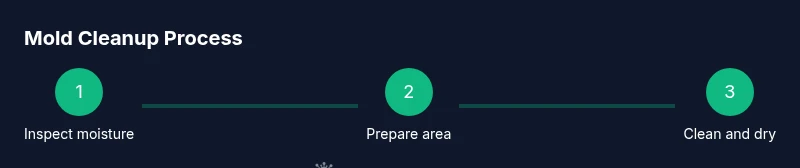
This section outlines the approach you’ll execute in detail later. Start by shutting off the moisture source or isolating the area, then apply your chosen cleaning agent, scrub gently to remove mold, rinse off residue with a damp cloth, and finally dry thoroughly. After drying, inspect for remaining growth and re-treat if necessary. Finally, implement ongoing moisture control measures to prevent future outbreaks, such as improving ventilation and addressing leaks promptly.
Cleaning solutions: what works and what to avoid
Vinegar is a mild, effective option for a broad range of mold species on non-porous surfaces like metal and sealed glass. Hydrogen peroxide (3%) is another strong choice and can be used on many window sill materials, including painted wood, where it is less harsh than bleach. Avoid bleach on porous wood, as it can damage the surface and leave behind a residue. If you choose to use soap, opt for a mild dish soap mixed with warm water for a preliminary wipe, followed by vinegar or peroxide for mold removal. Always test a small patch first.
Drying, moisture control, and preventing recurrence
After cleaning, dry the sill completely with a microfiber cloth and allow for ample air circulation. A dehumidifier or a fan can help reduce ambient humidity, especially in damp climates or seasons with high humidity. Consider sealing or repainting the sill if the mold has penetrated the finish, and fix any leaks around the window frame. To reduce future growth, maintain lower humidity (ideally below 50%), improve window ventilation, and wipe down the sill weekly during humid periods. Ongoing vigilance is key to long-term success.
Expert perspective and final recommendations
The Mold Removal Lab team recommends prioritizing moisture control as the foundation of mold remediation. Address leaks, condensation, and ventilation first, then follow a careful cleaning protocol to remove visible mold. Regularly inspect window sills after rain or rapid temperature changes, and address any signs of moisture promptly. This proactive approach minimizes health risks and preserves home comfort for occupants.
Tools & Materials
- Nitrile gloves(Chemical-resistant; avoid latex if skin sensitivity exists)
- Safety goggles(Protects eyes from splashes and spores)
- Respirator or P100 mask(Eye-level protection for airborne spores)
- Soft brush or sponge(Non-abrasive; won’t scratch window sill surfaces)
- Microfiber cloths(For wiping and drying without leaving lint)
- Spray bottle(Mix and apply cleaning solutions)
- Bucket(For rinsing or mixing solutions)
- White distilled vinegar(Alternative cleaning solution)
- Hydrogen peroxide (3%)(Another effective option)
- Baking soda(Odor control and gentle scrubbing aid)
- Mild dish soap(Gentle cleaning booster)
- Dehumidifier or small fan(Speeds up drying)
Steps
Estimated time: 60-90 minutes
- 1
Assess moisture sources and safety
Identify any leaks, condensation issues, or high humidity in the room. Take photos before you start so you can track progress. This step sets the foundation for effective remediation and helps you decide whether professional help is needed.
Tip: Document signs of moisture and note when they occur to address root causes first. - 2
Prep PPE and workspace
Put on gloves, goggles, and a respirator appropriate for particulates. Ventilate the area by opening windows or using a fan pointed away from you. Clear nearby items to prevent cross-contamination.
Tip: Keep a dedicated cleaning kit to avoid spreading spores to other rooms. - 3
Choose and apply cleaning solution
Decide on vinegar or hydrogen peroxide. Spray the solution onto the moldy area and let it sit for 5–10 minutes to penetrate the surface. Avoid mixing cleaners and never use bleach on porous surfaces.
Tip: Test a small patch first to ensure the finish isn’t damaged. - 4
Scrub the mold away
Gently scrub the affected area with a soft brush or sponge. Use circular motions and apply light pressure to avoid scraping the finish. Reapply cleaner if needed for stubborn spots.
Tip: Never use a metal brush; it can damage wood and create micro-cracks for future mold growth. - 5
Rinse and wipe dry
Wipe away residue with a damp microfiber cloth, then dry thoroughly with a clean towel. Ensure no moisture remains in any crevices or gaps.
Tip: Repeat wiping with a dry cloth until the surface feels completely dry. - 6
Dry thoroughly and improve ventilation
Allow the sill to air-dry completely. Use a dehumidifier or fan if the room remains humid after drying.
Tip: Aim for visibility of a dry surface and absence of condensation before finishing the job. - 7
Inspect and re-treat if needed
Check for any remaining mold spots. If you see new growth, re-apply cleaning solution and scrub again.
Tip: Do not rush; a second treatment ensures better long-term results. - 8
Prevent future mold growth
Address moisture sources, keep humidity below 50%, and wipe the sill periodically. Consider sealing or repainting porous surfaces after cleaning when mold risk is high.
Tip: Schedule monthly checks during damp seasons to catch problems early.
FAQ
Is it safe to DIY mold cleanup on window sills?
For small areas with light growth, DIY cleanup is typically safe when you wear PPE and follow proper ventilation. If mold covers a large area or you have health concerns, consult a professional remediation service.
DIY is usually fine for small spots if you wear PPE and ventilate. Seek professional help for large areas or health issues.
What cleaning solutions work best for window sill mold?
White distilled vinegar and 3% hydrogen peroxide are effective options. Do not mix cleaners, and ensure proper ventilation during use.
Vinegar or hydrogen peroxide work well; never mix cleaners and keep the area ventilated.
Can mold return after cleaning?
Yes, if moisture sources remain, mold can recur. Recheck leaks, improve ventilation, and monitor humidity to reduce recurrence.
If it comes back, check moisture sources and fix them to prevent repeat growth.
When should I see a doctor due to mold exposure?
If you have persistent coughing, wheezing, or allergic reactions, consult a healthcare professional promptly.
See a doctor if you have ongoing wheezing or allergies related to mold exposure.
Is bleach safe to use on window sill mold?
Bleach is not ideal for porous window sills; it can damage the surface and may not reach embedded mold. Vinegar or peroxide are usually better choices.
Bleach isn’t the best option for porous window sills; use vinegar or peroxide instead.
How long does it take to dry after cleaning?
Drying time varies with humidity and airflow. In typical home conditions, plan for 24–48 hours of drying and monitoring.
Usually 1–2 days with good airflow.
Watch Video
The Essentials
- Identify moisture sources before cleaning
- Wear proper PPE during every cleaning
- Choose vinegar or hydrogen peroxide as cleaning agents
- Dry the area thoroughly and monitor for return