Is It Bad to Clean Mold Without Gloves? A Practical Safety Guide
Discover why cleaning mold without gloves poses health risks, learn the right PPE, and follow a step-by-step method for safe mold cleanup. Practical tips from Mold Removal Lab to protect skin, lungs, and surfaces.


Yes. Cleaning mold without gloves is harmful and should be avoided. Skin contact can irritate and trigger allergies, and spores can transfer to eyes, mouth, or other surfaces. Wearing gloves minimizes contamination and reduces the chances of skin sensitization. For many mold tasks, gloves alone aren’t enough—a full PPE set is recommended depending on the mold type and activity.
Why Gloves Matter for Mold Cleanup
Mold cleanup begins with personal protection, and gloves are the first line of defense against skin contact with mold spores and irritants. According to Mold Removal Lab, wearing appropriate gloves reduces skin exposure, minimizes contamination transfer, and helps you manage cleanup more safely. The goal is to keep spores from sticking to hands and fingernails, which lowers the risk of accidental transfer to eyes, mouth, or other surfaces. For most homeowners, high-quality nitrile gloves provide a good balance of chemical resistance, dexterity, and durability. Latex allergies are a consideration; in those cases, switch to nitrile, neoprene, or vinyl alternatives. When you wear gloves, you should also inspect them for wear, ensure they fit properly, and avoid reusing disposable gloves that have become contaminated. Remember that gloves protect skin, but they do not make the process risk-free. Always pair gloves with eye protection and a mask or respirator when mold is present, especially in tall or poorly ventilated spaces.
Health Risks of Mold Exposure Without PPE
Exposure to mold can trigger an array of health issues, from mild skin irritation to respiratory symptoms in sensitive individuals. Mold spores can adhere to skin, clothing, and surfaces and be carried to the mouth or eyes. Even small exposures may irritate the skin or trigger allergic reactions in susceptible people. In poorly ventilated areas, inhaling mold spores can irritate the lungs and airways, leading to coughing, sneezing, or shortness of breath. For people with asthma, allergies, or compromised immune systems, these risks are more serious. Based on Mold Removal Lab research, consistent use of gloves and full PPE dramatically reduces exposure during routine cleanup tasks; however, gloved hands can still carry spores if you touch your face afterward. This is why hygienic practices—washing hands after removal of gloves, avoiding touching eyes or mouth during cleanup, and cleaning tools separately—are essential to prevent cross-contamination. If you encounter black mold or porous materials, consider pausing and seeking professional remediation.
What to Wear Beyond Gloves: PPE Essentials
Effective mold cleanup requires more than gloves. Eye protection shields eyes from splashes and spores. A respirator or mask appropriate for mold exposure protects the lungs, with N95 or P100-rated respirators commonly used for non-industrial settings. Clothing should be breathable, long sleeves, closed-toe shoes, and disposable coveralls if substantial exposure is expected. Footwear sealing and boot covers help minimize cross-contamination. Nail or ring removal reduces harboring spores under jewelry. For glove selection, nitrile is the standard for chemical resistance and dexterity; however, consider double-gloving if you anticipate heavy contamination or handling wet, porous materials. Do not reuse heavily contaminated gloves; discard them safely. If you have a known allergy to latex, ensure all materials are latex-free.
Step-by-Step Safe Mold Cleaning with Gloves
To make safety actionable, follow these core steps in order. Each action is a single task, with a clear reason and a short pro tip to guide you.
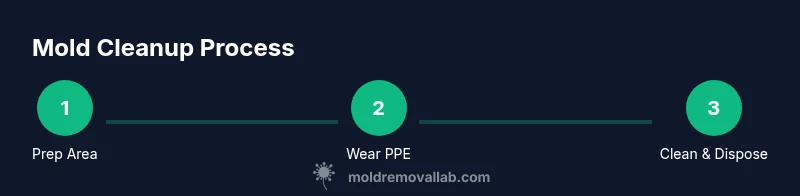
Step 1 — Prepare the area and PPE
Set up a well-ventilated workspace, gather PPE (gloves, goggles, respirator), and seal off the area to prevent cross-contamination. Place plastic sheeting to catch debris and keep kids/pets away. This preparation minimizes exposure and makes cleanup easier later. Tip: have a dedicated trash bag ready for used gloves and disposable items.
Step 2 — Put on gloves correctly
Choose the right glove material (nitrile for chemical resistance) and put them on before touching any moldy surface. Ensure a snug fit around wrists to prevent forearm exposure. Tip: don a pair of disposable sleeves to protect forearms and clothing.
Step 3 — Protect surfaces with barriers
Cover nearby furniture and floors with plastic sheeting or old towels to catch drips and spores. Secure edges with painter’s tape to prevent leaks. Tip: double-layer barriers on highly contaminated zones for extra protection.
Step 4 — Clean moldy surfaces with detergent and water
Use a least-toxic detergent and warm water to scrub non-porous surfaces. Avoid dry brushing, which can aerosolize spores. Rinse with clean water and wipe dry with a disposable cloth. Tip: keep cleaning to small areas to reduce splash and spread.
Step 5 — Rinse and dry thoroughly
After washing, rinse remaining residue and dry the area completely to deter mold regrowth. Ventilate while drying and avoid lingering moisture. Tip: monitor humidity with a hygrometer to ensure levels stay below 60%.
Step 6 — Disinfect, dispose, and sanitize tools
Dispose of contaminated gloves in a sealed bag, sanitize reusable tools, and wash hands after glove removal. Store PPE properly for next use if still clean; otherwise replace contaminated items. Tip: label containers to prevent cross-contamination with non-mold items.
Tools & Materials
- Nitrile gloves(Powder-free, 4-6 mil thickness, latex-free; two pairs recommended for double-gloving if heavy contamination)
- Goggles or safety glasses(Wraparound style preferred to protect eyes from splashes)
- Respirator or mask(N95 or higher for mold exposure; choose one that fits with a proper seal)
- Disposable coveralls or long-sleeve clothing(Protect skin and clothing; breathable fabrics preferred)
- Plastic sheeting or painter's plastic(Barrier to protect floors and furniture; seal edges with tape)
- HEPA vacuum (optional but recommended)(Use only if available; helps capture spores during cleanup)
- Soap/detergent(Mild detergent suitable for washing surfaces)
- Bucket and clean water(For rinsing and keeping water supply within reach)
- Trash bags (heavy-duty, sealable)(Disposal of contaminated materials; tie securely)
Steps
Estimated time: 60-90 minutes
- 1
Prepare the area and PPE
Set up a well-ventilated workspace, gather PPE, and seal off the area to prevent cross-contamination. Place plastic sheeting to catch debris and keep kids/pets away. This preparation minimizes exposure and makes cleanup easier later.
Tip: Have a dedicated trash bag ready for used gloves and disposable items. - 2
Put on gloves correctly
Choose the right glove material (nitrile for chemical resistance) and put them on before touching any moldy surface. Ensure a snug fit around wrists to prevent forearm exposure.
Tip: Don a pair of disposable sleeves to protect forearms and clothing. - 3
Protect surfaces with barriers
Cover nearby furniture and floors with plastic sheeting or old towels to catch spores. Secure edges with painter’s tape to prevent leaks.
Tip: Double-layer barriers on highly contaminated zones for extra protection. - 4
Clean moldy surfaces with detergent and water
Use a mild detergent and warm water to scrub non-porous surfaces. Avoid dry brushing; this can aerosolize spores. Rinse with clean water and wipe dry with a disposable cloth.
Tip: Keep cleaning to small areas to reduce splash. - 5
Rinse and dry thoroughly
Rinse away residue and dry the area completely to deter regrowth. Ventilate during drying and monitor humidity.
Tip: Aim for humidity below 60% to slow mold return. - 6
Disinfect, dispose, and sanitize tools
Dispose of contaminated gloves in a sealed bag, sanitize reusable tools, and wash hands after glove removal.
Tip: Label and separate moldy supplies from clean items.
FAQ
Do I need gloves for every mold cleanup task?
Gloves are highly recommended for almost all mold cleanup tasks to minimize skin contact and contamination. In some cases, touching mold with gloves may still transfer spores if you touch your face, so gloves should be part of a complete PPE routine and removed carefully.
Gloves are strongly recommended; always pair them with eye protection and a mask, and avoid touching your face during cleanup.
What type of gloves should I wear for mold cleanup?
Nitrile gloves are generally preferred for mold cleanup due to chemical resistance and durability. Avoid latex if you have a latex allergy. If contamination is heavy, consider double-gloving and disposable sleeves.
Nitrile gloves are usually best for mold cleanup, especially if you’re dealing with chemicals or heavy contamination.
Can I use household bleach to clean mold?
Bleach can be used on hard, non-porous surfaces in some cases, but it is not a universal solution and may not be effective on porous materials. Always follow product instructions and wear gloves. For porous materials, removal may require disposal.
Bleach isn’t always the answer; use appropriate cleaners and PPE, and consider professional guidance for porous materials.
Is skin exposure to mold dangerous even with gloves?
Gloves significantly reduce risk, but skin contact and handling contaminated items can still pose a risk if hands touch the face. Always wash hands after glove removal and avoid touching eyes or mouth during cleanup.
Gloves lower risk, but don’t skip hand washing after removing gloves.
When should I call a professional?
If you encounter extensive growth, black mold on porous materials, or ongoing moisture problems, professional remediation may be the safest option. They have specialized containment and disposal practices.
If mold covers a lot of area or you’re unsure, call a pro for safety.
Watch Video
The Essentials
- Wear proper gloves and PPE for mold cleanup
- Choose nitrile gloves for chemical resistance and dexterity
- Protect surfaces and limit contamination during cleanup
- Dispose of contaminated materials safely and wash hands afterward