DIY Mold Killer: Safe Home Mold Cleanup Guide 2026
Learn practical, at-home mold cleanup using safe cleaners and moisture-control strategies. This guide covers gear, step-by-step cleanup, drying, and prevention to help homeowners and renters tackle small mold growth safely.


A DIY mold killer approach enables you to safely remove small mold patches at home using standard cleaners, protective gear, and good ventilation. This guide outlines prep, choosing a non-toxic cleaner, application, drying, and prevention to minimize regrowth. Always address the moisture source and know when to call a professional for larger infestations.
What is a DIY mold killer and when to use it
DIY mold killer refers to practical at-home methods for removing small mold patches on non-porous surfaces using readily available cleaners. It’s best suited for homes with light growth following a moisture event, or areas that have been thoroughly dried and are not porous. The approach pairs a safe cleaner with proper PPE and ventilation. The phrase diy mold killer emphasizes accessible, safe cleaning that buys time while you address the moisture source. According to Mold Removal Lab, moisture control is the single most important factor in preventing mold regrowth, so fix leaks, improve airflow, and reduce humidity as the first step. For larger infestations or growth within porous materials (like drywall or wood), professional remediation is essential. Common locations include bathroom tile grout, sealed countertops, and window sills where moisture is regular but the surface is not deeply penetrated. You’ll often see mold on painted walls after a leak or on bathroom grout where humidity stays high; these are ideal starting points for a DIY approach when the area remains accessible and surface-level.
Safety first: PPE, ventilation, and handling chemicals
Safety is the foundation of any DIY mold cleanup. Wear nitrile gloves, protective goggles, and a snug, respirator-rated mask if you are sensitive or cleaning in a poorly ventilated space. Work in a well-ventilated area by opening windows or using a fan to push air outward. Do not mix cleaners; combining powerful chemicals can release toxic fumes. Keep children and pets away from the work area until the space is dry and odors dissipate. Use clean towels to limit cross-contamination and dispose of contaminated materials after cleaning. If you notice persistent headaches, dizziness, or breathing issues during cleanup, stop and seek professional help. Protect nearby surfaces with plastic sheeting to contain spores and prevent spread to other rooms.
Natural cleaners vs chemical cleaners: pros and cons
Natural cleaners are generally safer for households but may require more scrubbing and multiple applications. Plain white vinegar is a common, low-toxicity option that can be effective on many non-porous surfaces, though it may not disinfect all mold species. Hydrogen peroxide is another popular choice that can help lift stains and kill surface mold when used carefully, but test on delicate finishes first. Baking soda can help with odor control and light cleaning, yet its disinfecting power is limited. Chemical cleaners marketed for mold remediation are often more potent and can provide quicker results on tough patches; however, they may contain chlorine bleach or quaternary ammonium compounds and can irritate the skin, eyes, and lungs. Always read labels, follow ventilation guidance, and avoid mixing cleaners with acids like vinegar or ammonia. In all cases, test a small area first and prefer non-porous surfaces whenever possible to reduce risk of regrowth.
Step-by-step cleanup plan
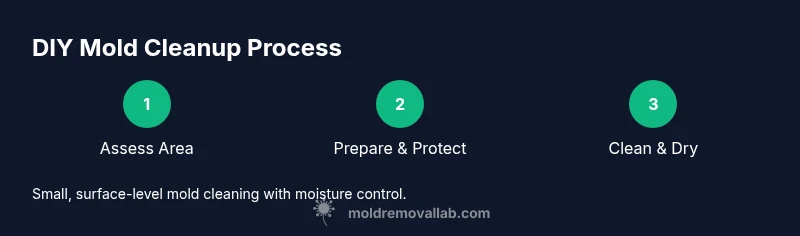
A practical cleanup plan combines preparation, application, and drying with moisture control. Start by identifying the moisture source (leak, humidity, or condensation) and fix it. Choose a surface-friendly cleaner appropriate for the material you’re treating. Apply cleaner to the moldy area, allow it to sit for a moment, then scrub with a soft brush. Rinse with clean water and dry thoroughly using towels, a fan, or a dehumidifier. Re-inspect after drying to ensure no remaining patches or odors. If mold reappears within a few days, reassess moisture conditions and consider professional help. Maintain a routine of moisture monitoring in bathrooms, kitchens, and basements to prevent recurrence. For sensitive individuals, limit exposure during cleaning and consider temporary relocation if the infestation is noticeable or persistent.
Drying, sealing, and prevention to stop regrowth
Drying completely is essential to stop mold from returning. Use fans and, if available, a dehumidifier to lower ambient humidity levels and speed evaporation. Once dry, consider sealing or repainting vulnerable areas with mold-resistant products, especially in high-humidity spaces like bathrooms. Improve ventilation by running exhaust fans during showers and using air purifiers with HEPA filters in damp rooms. Regularly wipe down surfaces, fix leaks promptly, and monitor for condensation on windows and walls. Remember that ongoing moisture control is the cornerstone of mold prevention; a dry environment discourages mold spores from taking hold again.
When to call a professional and long-term prevention tips
Call a professional remediation contractor if mold covers a large area, penetrates porous materials (drywall, insulation, wood), or if you have asthma, allergies, or immune system concerns. Large infestations or hidden growth behind walls require specialized equipment and containment to prevent cross-contamination. For ongoing prevention, establish a moisture-management plan: fix leaks immediately, use dehumidifiers in damp rooms, ensure good air circulation, and clean regularly to prevent spores from settling. Maintain proper humidity levels and treat any recurring water intrusion as a warning sign. The goal is to keep surfaces dry and non-porous, reducing the likelihood of regrowth and the need for repeated DIY attempts.
AUTHORITY SOURCES
- https://www.epa.gov/mold/mold-remediation
- https://www.cdc.gov/mold/default.htm
- https://www.osha.gov/SLTC/mold_bioaerosols/index.html
Tools & Materials
- nitrile gloves(protects hands from cleaners and spores)
- protective goggles(eye protection from splashes)
- N95 respirator (or higher)(for airborne spores in poorly ventilated areas)
- soft-bristled scrub brush(gentle scrubbing to avoid surface damage)
- spray bottle with cleaner(diluted cleaner or natural solution)
- bucket and sponge/cloth(for rinsing and wiping)
- plastic sheeting and tape(containment and protection of nearby areas)
- clean absorbent towels(drying and blotting moisture)
- dehumidifier or fan(accelerates drying and reduces humidity)
- mold-safe cleaner or vinegar(as appropriate for surface type)
Steps
Estimated time: 45-60 minutes
- 1
Prepare the area
Clear content from the affected area and lay down plastic sheeting to catch any debris. Fix the moisture problem (leak, condensation, or spill) before proceeding. This minimizes spread and reduces recontamination.
Tip: Contain the space to prevent spores from drifting to other rooms. - 2
Put on PPE and ventilate
Put on gloves, goggles, and an appropriate respirator. Open windows or run a fan to promote airflow, but direct exhaust to the outdoors. Adequate ventilation reduces inhalation risk during cleaning.
Tip: Check respirator fit—straps should seal around your face with no gaps. - 3
Apply cleaner to mold
Apply your chosen cleaner to the moldy area, covering the entire patch. Do not oversaturate porous materials. Let the cleaner sit for several minutes to loosen spores before scrubbing.
Tip: Avoid mixing cleaners; this can release dangerous fumes. - 4
Scrub and rinse
Gently scrub the area with a soft-bristled brush, then wipe away residue with a clean cloth. Rinse with fresh water and blot dry with towels.
Tip: Work in small sections to maintain control over moisture. - 5
Dry thoroughly
Dry the area completely using towels, fans, or a dehumidifier. Do not leave damp patches, as moisture encourages regrowth.
Tip: Aim for a dry-to-the-touch test; if it feels damp, continue drying longer. - 6
Inspect and prevent
Inspect for any remaining mold spots and assess areas prone to future moisture. Consider applying sealant or mold-resistant paint to high-humidity zones and adjust ventilation to prevent recurrence.
Tip: Keep an eye on humidity levels in bathrooms and kitchens.
FAQ
Is vinegar effective as a diy mold killer?
Vinegar can help remove some mold on non-porous surfaces and is less toxic than harsh chemicals, but it may not disinfect all mold species. Always patch-test and rinse thoroughly.
Vinegar works for some non-porous surfaces, but it might not disinfect all mold types. Patch-test first and rinse well.
Can I use baking soda for mold cleanup?
Baking soda can help with odor and light cleaning, but it is not a strong mold killer. It’s best used in combination with other cleaners and for routine maintenance.
Baking soda helps with odor and light cleaning but isn’t a strong mold killer on its own.
When should I avoid DIY cleanup altogether?
Avoid DIY cleanup if mold covers a large area, has penetrated porous materials, or if you have health conditions that mold affects. In these cases, call a licensed professional.
If mold is widespread or on porous materials, or if you have health concerns, call a pro.
Will DIY cleanup prevent mold from returning?
DIY cleanup reduces surface mold, but preventing regrowth requires fixing moisture, improving ventilation, and regular inspections. Ongoing humidity control is essential.
Fix the moisture source and keep humidity low to prevent regrowth after cleaning.
What cleaners are safest for families with small children?
Choose mild, non-toxic cleaners or natural options, ensure thorough rinsing, and ventilate well during use. Wear protective gear and keep kids away until dry.
Go with mild cleaners, rinse well, and ventilate. Keep kids away until surfaces are dry.
How do I verify that mold is gone after cleaning?
Visually inspect for remaining patches, check for persistent odors, and monitor humidity. If you still see mold or smell musty odor, repeat cleaning or seek professional help.
Look for remaining patches and odors, then recheck humidity. If in doubt, get a pro opinion.
Watch Video
The Essentials
- Address moisture first to stop regrowth
- Protect yourself with proper PPE
- Choose surface-appropriate cleaners and avoid mixing chemicals
- Dry thoroughly and monitor humidity long-term