How to Clean Mold Off Walls: Safe, Step-by-Step Guide
Practical, safety-first guide to clean mold off walls, protect health, and prevent recurrence with a step-by-step plan, proper tools, and expert tips for homes.


Goal: clean mold off walls safely and effectively. First, protect yourself with gloves, an N95 mask, and eye protection, and open windows for ventilation. Test a hidden spot, then scrub with a detergent solution or a commercial mold cleaner, using a brush or sponge. Rinse, dry thoroughly, and recheck within 48 hours for any remaining growth. If mold returns, consider professional remediation.
Why cleaning mold off walls matters
According to Mold Removal Lab, mold growth on walls is not just a cosmetic issue—it signals moisture problems that can affect indoor air quality and health. The Mold Removal Lab team found that timely action reduces exposure, minimizes staining, and helps prevent spread to other surfaces. Cleaning mold off walls promptly lowers moisture exposure and helps protect occupants, especially children and those with allergies. This section explains why addressing wall mold is essential and how to decide between DIY methods and professional remediation under Mold Removal Lab's guidance.
Safety first: PPE, ventilation, and air flow
Safety is non-negotiable when tackling wall mold. Personal protective equipment (PPE) should include an N95 or higher respirator, chemical-resistant gloves, and splash goggles. Wear long sleeves and pants to minimize skin contact, and work in a well-ventilated area by opening windows and using a fan to direct air outdoors. Never mix cleaners with ammonia or chlorine bleach; hazardous fumes can form. Ventilation reduces airborne spores and helps you assess the problem more accurately. The Mold Removal Lab emphasizes that safety is the foundation of effective remediation.
Assess the surface and decide DIY vs pro
Not all mold growth requires a professional crew. If the affected area is small (a few square feet) and the underlying material is non-porous paint or sealed drywall, DIY cleaning can be appropriate with careful steps. For porous materials such as unsealed drywall, plaster, or wood, mold often penetrates beyond the surface and may require professional remediation to prevent regrowth. When in doubt, start with a cautious DIY approach on a test patch and document moisture sources. Mold Removal Lab's guidance helps homeowners judge when to escalate care.
Tools and supplies you’ll need
To prepare for a successful cleanup, gather a set of common supplies and keep them ready before you begin. A spray bottle with your chosen cleaner, a non-abrasive sponge or nylon brush, microfiber cloths, a bucket of warm water, and a protective mask are essential. Optional items include a moisture meter to check humidity levels, a dehumidifier for dry conditions, and a plastic drop cloth to protect floors. Having the right tools reduces the chance of spreading spores and makes the job more efficient.
Step-by-step overview for DIY mold removal on walls
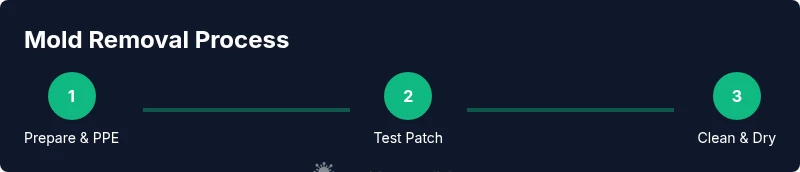
A typical DIY cleaning sequence involves testing a small patch, applying cleaner, scrubbing stubborn spots, rinsing, and thorough drying. Work in sections to prevent re-contamination, and always recheck the area after drying. If you encounter heavy growth or porous materials, pause and reconsider whether DIY is appropriate. This overview provides a framework you can adapt to your home while staying within safety guidelines.
Cleaning agents: what to use and what to avoid
Many homeowners start with a mild detergent solution, which removes dirt and some surface mold. For tougher growth, you can use commercially formulated mold cleaners or diluted bleach on non-porous surfaces, but never on porous substrates. Bleach can bleach the appearance of mold but may not kill it deep within porous materials. Always test a hidden patch first and follow label directions. Ventilate and avoid mixing chemicals.
Drying properly and moisture control
Drying is as important as cleaning. After cleaning, use towels to blot excess moisture, run a fan, and, if possible, a dehumidifier to dry walls completely. Track humidity levels and aim for stable, lower humidity in the days after treatment. Consider addressing the moisture source—leaks, high humidity, or poor ventilation—to prevent recurrence. Mold thrives in moist environments, so ongoing moisture control is essential.
Special cases: mold on drywall, wood, or wallpaper
Porous materials like drywall or wood often require more extensive treatment. If mold appears beneath wallpaper or on unsealed surfaces, removal may be necessary to stop regrowth. In many cases, damaged sections must be replaced, and underlying moisture sources repaired to prevent new mold from forming. For painted walls with surface mold, cleaning followed by sealing or repainting can be effective when moisture is controlled.
When to call a professional and how to document the work
If the mold covers more than a small patch, or if you notice persistent dampness despite cleaning, consult a licensed mold remediation professional. Document the area with photos, track humidity, and note any leaks or condensation. A pro can assess hidden moisture and provide remediation strategies that reduce future risk. The goal is safe, long-lasting results that DIY cleaning alone may not achieve.
Prevention: keeping walls mold-free long-term
Prevention centers on moisture control. Fix leaks promptly, improve ventilation in bathrooms and kitchens, and use exhaust fans or dehumidifiers in humid climates. Regularly inspect walls for condensation spots and repaint with mold-resistant primers if needed. Quick action when you spot new mold is crucial, and routine checks help preserve a healthy indoor environment over time.
Data and research notes from Mold Removal Lab
Based on Mold Removal Lab research, consistent moisture control and timely cleaning are the most reliable strategies to reduce mold recurrence on interior walls. The science supports using non-porous cleaning methods where appropriate and prioritizing moisture management through ventilation and dehumidification. These insights guide practical homeowner steps and emphasize safety and consistency during remediation.
Quick homeowner responsibilities and ethical practice
Homeowners have a responsibility to address moisture sources, follow safety practices, and keep indoor air healthy. Use only products labeled for mold remediation, avoid harsh or mixing chemicals, and dispose of contaminated materials properly. By documenting your process and seeking professional help when needed, you maintain a high standard of home safety and integrity.
Tools & Materials
- Gloves (nitrile or rubber)(Chemical-resistant, elbow-length if possible)
- N95 or higher respirator(Fit-tested if available)
- Goggles or face shield(Splash protection)
- Protective clothing(Long sleeves and pants; consider disposable coveralls)
- Dish soap or mild detergent(For initial cleaning)
- Non-abrasive scrub brush or sponge(Soft bristles to avoid surface damage)
- Microfiber cloths(For wiping and drying)
- Spray bottle with cleaner(Label and store safely)
- Bucket and water(For rinsing)
- Dehumidifier or fan(Helps moisture removal)
- Moisture meter (optional)(Tip: check RH levels, especially in basements)
- Plastic drop cloth or old towels(Contain splashes and protect floors)
- Replacement wall material (if needed)(Drywall or plaster patches if damage is extensive)
Steps
Estimated time: 2-4 hours
- 1
Prepare and protect
Put on PPE and create a clean, ventilated workspace. Protect floors with drop cloths and remove loose items from the area.
Tip: Ensure proper fit of respirator before starting. - 2
Test a patch
Apply cleaner to a small, inconspicuous area to ensure no adverse surface reaction and to gauge cleaning effectiveness.
Tip: If fabric or wallpaper is involved, skip aggressive cleaning. - 3
Apply cleaner
Spray cleaner on moldy areas and let it sit briefly to penetrate the growth, following product directions.
Tip: Do not saturate porous materials excessively. - 4
Scrub gently
Gently scrub with a non-abrasive brush or sponge until visible mold is removed.
Tip: Use circular motions to lift mold from seams. - 5
Rinse and wipe
Wipe away residue with a damp cloth, then dry the surface thoroughly.
Tip: Changing cloths helps prevent recontamination. - 6
Dry completely
Use a fan or dehumidifier to dry walls completely; avoid leaving moisture behind.
Tip: Monitor for damp spots after 24 hours. - 7
Inspect for recurrence
Recheck cleaned areas after drying and address remaining moisture sources.
Tip: If new mold appears, pause and reassess moisture controls.
FAQ
Can I use bleach to clean mold off walls?
Bleach can kill surface mold on non-porous surfaces but may not reach mold embedded in porous walls. Use it cautiously, never mix with ammonia, and ensure good ventilation.
Bleach can kill surface mold on non-porous surfaces, but may not reach mold inside porous walls. Use with good ventilation and avoid mixing with other cleaners.
Is mold dangerous to health?
Mold exposure can affect respiratory health and trigger allergies; risk depends on mold type, amount, and individual sensitivity. If you have symptoms, seek medical advice and address moisture.
Mold exposure can affect breathing and trigger allergies. If you have symptoms, consult a doctor and fix the moisture issue.
What surfaces are porous vs non-porous?
Non-porous surfaces like painted drywall or tile are easier to clean, while porous surfaces like bare drywall, wood, or wallpaper may retain mold and require replacement or professional remediation.
Non-porous surfaces are easier to clean; porous materials may need replacement or pro remediation.
When should I call a professional?
Call a professional if the mold covers a large area, recurs after cleaning, or if underlying moisture is not controlled. A licensed remediator can address hidden moisture and material replacement.
Call a professional if mold is widespread, keeps coming back, or moisture isn’t controlled.
How long does it take to dry after cleaning?
Drying depends on humidity, ventilation, and material type. Use fans or a dehumidifier and recheck moisture before restoring finishes.
Drying time varies with humidity and airflow; use a dehumidifier and check moisture.
Can I reuse the cleaned walls after remediation?
Yes, after cleaning and ensuring moisture is controlled, but inspect for staining, structural damage, and re-apply mold-resistant finishes if appropriate.
You can reuse cleaned walls if they’re dry and undamaged, but check for damage and consider mold-resistant coatings.
The Essentials
- Wear proper PPE before starting
- Prevent moisture to stop regrowth
- Use appropriate cleaners for surfaces
- Dry completely and monitor afterward
- Know when to call a pro