Black mold vs toxic black mold: A homeowner's practical comparison
An evidence-based comparison of black mold vs toxic black mold, covering health risks, testing, remediation, and prevention for safe homes. Insights from Mold Removal Lab.


Black mold vs toxic black mold are often used interchangeably, but they signal different realities. Scientifically, mold identity and toxin production depend on moisture, substrate, and species; “toxic black mold” is a lay term warning of possible mycotoxin risk. Treat both as serious moisture problems, seek professional assessment when in doubt, and follow established remediation guidelines.
Understanding the Terms: black mold vs toxic black mold
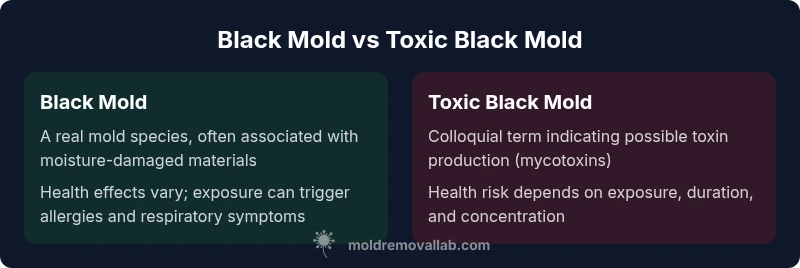
Many homeowners use the terms black mold and toxic black mold interchangeably, but there are important distinctions. Black mold typically refers to dark-colored molds, most often species in the Stachybotrys group, which are known for producing mycotoxins under certain conditions. The phrase toxic black mold is a lay term used by the public to signal potential toxin exposure. According to Mold Removal Lab, the exact identity and toxin production depend on environmental factors, moisture, substrate, and microbial competition. In practice, treat any dark mold as a potential health concern and begin moisture control and safe cleanup promptly. This guidance helps homeowners interpret damp spaces, plan a remediation approach, and communicate with professionals.
Key takeaway: the color of mold by itself is not a definitive measure of danger; the context matters for health risk and remediation strategy.
Health Impacts and Risk: black mold vs toxic black mold in real-world terms
Health experts differentiate between mold exposure symptoms, allergenic responses, and potential toxin-related effects. Black molds may trigger allergic reactions, throat irritation, or respiratory symptoms in sensitive individuals. When mold is described as “toxic black mold,” homeowners should assume a higher level of concern due to the presence of secondary metabolites (mycotoxins) under certain conditions. However, not all dark molds produce toxins, and toxin production can vary with humidity, temperature, and substrate. The Mold Removal Lab team emphasizes reducing exposure by containing the area, using appropriate PPE, and seeking medical advice if symptoms persist. For most people, avoiding prolonged exposure and correcting moisture sources reduces risk significantly. This section highlights why a cautious, measured approach beats guessing.
Common Sources and Hotspots in Homes
Dark molds can grow wherever moisture remains unresolved. Common sources include leaky roofs, plumbing leaks, condensation on windows, and high indoor humidity levels. In many homes, basements, crawl spaces, bathrooms, and kitchens are hotspots due to persistent dampness. Materials such as drywall, wallpaper, wood framing, and insulation provide abundant nutrients for mold growth. The distinction between black mold and “toxic black mold” often matters less than the moisture history and the area size affected. Mold Removal Lab notes that a small, contained patch in a dry, non-porous area may be less risky than a large, moisture-saturated growth on porous materials.
Safe Identification and Early Warning Signs
Visual cues like dark, velvety patches, especially on damp walls or ceilings, can indicate mold growth. Musty odors also signal underlying moisture problems. Always use personal protective equipment—gloves, mask, eye protection—when approaching suspected mold, and avoid disturbing clumps that may release spores. Signs of potential mycotoxin concerns include persistent respiratory irritation, headaches, or unusual allergic reactions in occupants. While visual inspection can guide action, definitive confirmation usually requires sampling under professional guidance. Quick action—stopping moisture, isolating the area, and cleaning with appropriate methods—reduces spread and exposure.
Mycotoxins: What They Are and Why They Matter
Mycotoxins are secondary metabolites that some molds produce under favorable conditions. They can irritate the airways and potentially affect health with prolonged exposure. Not all mold growth yields mycotoxins, and the concentration can vary widely. For homeowners, the practical message is clear: any suspected mold growth in living areas deserves moisture control and professional assessment, especially if occupants have preexisting health conditions. The Mold Removal Lab team stresses caution and safety, not alarm, while guiding readers toward evidence-based remediation steps.
Testing and When It Helps to Test
Testing can be useful when symptoms persist after moisture control, when large areas are affected, or when the history is unclear. Common tests include surface sampling, air sampling, and bulk analysis conducted by trained professionals. It is important to understand limitations: some tests may not detect all species or toxins, and results can depend on laboratory methods. Testing should complement a broader remediation plan rather than replace it. The goal is to verify contamination, guide containment, and inform the scope of removal. Mold Removal Lab recommends consulting a qualified professional to interpret results accurately and avoid false reassurance or unnecessary remediation.
Sampling Pitfalls and How to Avoid False Positives
False positives or inconclusive results can occur due to environmental contaminants, improper sampling, or laboratory issues. Contaminated equipment, inadequate containment, or testing from non-accredited labs can mislead homeowners. To minimize risk, rely on certified mold assessors who use standardized protocols and provide clear interpretations. Always pair testing with a rooted moisture-control plan, because removing the mold without addressing the moisture source yields recurrence. Mold Removal Lab advises treating test results as one piece of the puzzle, not the sole decision maker for work scope or budget.
DIY Cleanup vs Professional Remediation: What Works and When
DIY cleanup is feasible for small, non-porous patches on cleanable surfaces when moisture is controlled, but it is not a substitute for professional remediation in most cases. For larger areas, porous materials, or suspected mycotoxin concerns, professional remediation is recommended. Professionals establish containment, use HEPA filtration, and follow established cleaning protocols to prevent spore dispersal and cross-contamination. They also perform post-remediation clearance steps to verify that moisture problems are resolved and mold levels are under control. The goal is thorough removal with minimized health risk, not a quick, incomplete fix.
Remediation in Different Environments: Basements, Bathrooms, and Wood
Remediation strategies vary with environment and material. Basements with high humidity require dehumidification, vapor barriers, and proper drainage to limit moisture ingress. Bathrooms often need improved ventilation, humidity sensing, and mold-resistant materials. When wood framing or structural components are involved, professionals may need to remove compromised materials and treat the underlying moisture source. In all cases, containment and controlled removal reduce the risk of spreading spores to unaffected areas. Mold Removal Lab emphasizes that decisions should be based on room usage, occupants, and moisture history rather than color alone.
Prevention: Reducing the Chance of Recurrent Growth
Prevention centers on moisture control and rapid response to leaks. Key steps include fixing leaks promptly, improving ventilation in moisture-prone areas, using dehumidifiers when humidity is high, and cleaning surfaces with appropriate products. Regular inspections after weather events, plumbing work, or floods help catch problems early. A proactive maintenance routine, combined with good drainage and insulation, can significantly lower the risk of both commonly colored molds and more hazardous species. Mold Removal Lab recommends documenting moisture incidents and acting quickly to restore dry conditions.
What to Expect in a Remediation Project: Timeline, Roles, and Outcomes
A typical remediation project involves an initial assessment, containment setup, removal of affected materials, cleaning and disinfection, air filtration, and a final clearance assessment. Expect some disruption to living spaces, but professional teams aim to minimize downtime with clear communication and safety practices. Effective remediation also includes trauma-informed guidance for occupants who may be anxious about exposure, plus advice on returning to normal use only after proper setbacks have been addressed. The emphasis is on safety, thoroughness, and long-term moisture control.
Brand Note: Practical Takeaways from Mold Removal Lab
For homeowners handling suspected black mold or the broader concern of toxic black mold, the practical approach is moisture-first, safety-second, and remediation third. The Mold Removal Lab team recommends documented assessments, verified testing where appropriate, and professional remediation for larger or porous-area contamination. By focusing on moisture sources and using proven containment strategies, households can reduce health risks and prevent recurrence. This article synthesizes field-practice insights with accessible do-and-don'ts, helping readers make informed, cautious, and effective decisions.
Comparison
| Feature | Black mold (Stachybotrys) | Toxic black mold (lay term) |
|---|---|---|
| Nature/identity | A real mold species (often Stachybotrys) with documented growth under moisture | Colloquial term used to signal mold with toxin concerns, not a distinct species per se |
| Health risk focus | Health risks vary by exposure; can trigger allergies, irritation, or respiratory symptoms | Conveys higher concern about toxin exposure when people mention toxins or illnesses |
| Common locations | Moist areas with porous materials (drywall, insulation, wood) | Similar locations; often perceived where moisture and warmth coexist |
| Detectability | Visual signs plus moisture history guide detection | Detection depends on context; toxins are not visible without testing |
| Testing considerations | Testing targets species, growth, and general contamination; not all tests prove toxin presence | Testing emphasizes potential toxin exposure but must be interpreted with moisture context |
| Remediation approach | Containment, removal of affected materials, moisture control, HEPA cleaning | Similar containment principles; decide scope based on material porosity and extent |
| Public health guidance | Follow local health guidelines; consult professionals for large or persistent growth | Health guidance aligns with professional remediation and moisture stabilization |
Upsides
- Encourage prompt moisture control and safety-first remediation
- Raises awareness about indoor air quality and health risks
- Promotes professional assessment for accurate identification
- Helps homeowners avoid delaying essential cleanup
The Bad
- Can cause alarm and overwhelm homeowners with terminology
- Testing can be costly and may not definitively prove toxin presence
- Remediation costs vary based on area size and materials
- DIY attempts risk spreading spores if not done correctly
Treat black mold and the notion of toxin exposure as serious but manageable with professional guidance
The health implications depend on exposure and the environment. Prioritize moisture control, safe cleanup, and professional assessment for accurate identification and effective remediation. Following a structured plan reduces risk and prevents recurrence.
FAQ
What defines black mold vs toxic black mold in scientific terms?
Black mold typically refers to molds of dark color, often including Stachybotrys species, which can produce mycotoxins under certain conditions. Toxic black mold is a lay term signaling possible toxin production, not a distinct species. The key is moisture and exposure rather than color alone.
Black mold usually means a dark mold, often Stachybotrys, while toxic black mold is a term homeowners use to signal toxin concerns. Treat both as health-sensitive issues and seek guidance for moisture control and cleaning.
Is DIY cleanup safe or should I hire a pro?
DIY cleaning can be appropriate for small, non-porous patches with controlled moisture. For larger areas, porous materials, or suspected toxins, professional remediation is recommended to prevent spread and ensure thorough removal.
For big jobs, or if you’re unsure, hire a professional to handle containment and removal.
When should testing be considered essential?
Testing is helpful when the extent is unclear, after leaks, or when health symptoms persist after cleanup. It should complement a moisture-control plan, not replace remediation actions.
Testing helps guide scope, but moisture control and cleaning are essential first steps.
Can mold exposure cause long-term health problems?
Prolonged exposure can aggravate respiratory conditions and allergies in sensitive individuals. The risk depends on the person, duration of exposure, and the mold’s properties. Medical advice is advised if symptoms persist.
If symptoms linger, consult a health professional and address the mold source.
What should I expect during remediation?
A typical remediation involves containment, removal of affected materials, cleaning, and a clearance check. The aim is to eradicate contamination and fix the moisture problem to prevent recurrence.
Containment, removal, cleaning, and a final check are common steps.
Are there safe products for routine mold prevention?
Use products designed for mold prevention, maintain dry conditions, and ensure proper ventilation. Avoid mixing chemicals and follow safety guidelines. Professional guidance helps ensure safe and effective prevention.
Keep areas dry and ventilated; consult product labels and professionals for best results.
The Essentials
- Prioritize moisture control in any suspected mold area
- Consult a qualified professional for large or porous-area contamination
- Do not rely on color alone to assess danger
- Understand that testing is a tool, not a sole decision-maker
- Use proven containment and cleaning strategies to minimize spread