How to Tell If Mold Is Toxic: A Practical Guide for Homeowners
Learn practical signs of toxic mold, testing options, and remediation steps. This guide from Mold Removal Lab explains how to tell if mold is toxic safely and effectively for homeowners.


Toxic mold is not identified by color or texture alone. You determine toxicity through exposure signs, health symptoms, and verified testing. According to Mold Removal Lab, reliable conclusions come from lab analysis and professional assessment rather than appearance.
What does 'toxic mold' mean and why it matters
Toxicity in indoor mold is not a single, universal label. The danger depends on how much mold is present, how long you’re exposed, and which species can produce toxins. In practical terms, you assess risk by looking at moisture history, occupant health, and results from validated tests rather than guessing from color or shape. The Mold Removal Lab team emphasizes that moisture control and thorough investigation are foundational before labeling a mold problem as toxic. This section helps homeowners understand the concept and set realistic expectations for next steps.
Common molds linked to health risks
Many indoor molds are nuisance invaders rather than acute threats, but some species are more likely to affect health, especially for young children, seniors, or people with asthma and allergies. While there is not a single “toxic mold” species to watch for in every home, molds such as those frequently discussed in safety guides can produce irritants or mycotoxins under certain conditions. The key takeaway from Mold Removal Lab analysis is that risk depends on exposure context, not just the presence of mold. Focus on moisture, ventilation, and seeking professional testing when you notice persistent growth or symptoms.
Signs that exposure might be toxic
Exposure signs can appear in multiple ways, and they do not prove toxicity in isolation. Look for a combination of factors: a history of water intrusion or ongoing dampness, a persistent musty odor, visible growth, and health symptoms that improve when you leave the space and return when you re-enter. Common symptoms include coughing, wheezing, throat irritation, headaches, fatigue, and nasal or eye irritation. People with asthma, allergies, or weakened immune systems may react sooner. If signs cluster together, you should consider professional assessment rather than DIY conclusions.
How to test for toxicity (non-occupational steps)
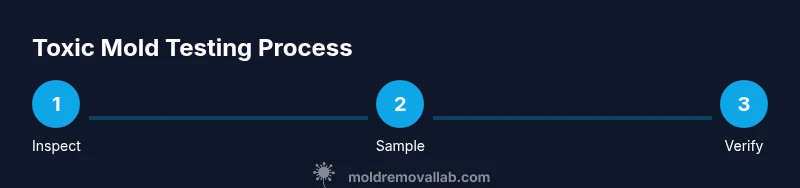
Testing for mold toxicity should be performed by accredited laboratories or qualified professionals rather than relying on home test kits. Start with a professional environmental assessment to identify moisture sources and areas of concern. Then, collect samples only if instructed by a lab or professional using sterile tools, following strict chain-of-custody procedures. Samples may include surface swabs or material from suspected growth, and indoor air samples, if recommended. Lab results help interpret whether toxins or high spore counts are present and relevant to your health concerns.
How to interpret test results (without alarming numbers)
Lab reports often present complex data, including species identified, mold counts, and possible toxins. There are no universal thresholds that apply to every home because health risk depends on exposure duration and individual susceptibility. The most reliable interpretation comes from a qualified professional who can translate lab data into practical actions: whether remediation is needed, what parts of the home require attention, and how to reduce ongoing exposure while awaiting results.
Immediate actions to reduce exposure while you test
Until results are known, take immediate steps to reduce exposure: seal off affected areas, avoid disturbing mold, and keep children and pets away. Ventilate spaces with fresh air when safe, control humidity with dehumidifiers, and clean visible surfaces with non-ammonia cleaners designed for mold if advised by a professional. Remember to wear proper PPE during any handling to minimize inhalation and skin contact, and never attempt aggressive demolition without guidance.
When to call a professional
Call a professional if mold covers a large area, if there is ongoing moisture intrusion, or if anyone in the home has persistent symptoms. Large-scale growth, hidden contamination behind walls, or suspected mycotoxins requires specialized equipment and remediation plans. Professionals can perform a targeted assessment, collect validated samples, interpret results accurately, and implement containment and cleanup to prevent cross-contamination.
How professionals determine if mold is toxic
A professional approach combines environmental assessment with laboratory analysis. They identify potential toxin-producing species, measure moisture drivers, and evaluate prior water damage history. Toxicity is not inferred from a single sample or surface alone; it is a composite judgment that accounts for exposure risk, indoor air quality, and medical considerations. This process minimizes false alarms and directs appropriate remediation.
Long-term prevention and maintenance
Prevention centers on moisture control: fix leaks promptly, improve ventilation, and maintain indoor humidity generally below 50–60%. Regular inspections after heavy rains or floods help catch problems early. A proactive routine—seasonal checks, clean drainage systems, and proper exhaust fan use—reduces the chance of mold returning and protects occupant health over time.
Tools & Materials
- PPE kit (gloves, N95 respirator, splash goggles)(Use a properly fitted respirator with organic vapor cartridges if advised; ensure eye protection and gloves stay clean.)
- Sterile surface sampling kit (swabs, collection tubes)(Used only with professional instructions to avoid cross-contamination.)
- Sterile collection bags or containers(Label clearly with location, date, and sample type.)
- Moisture meter / hygrometer(Identify moisture hotspots and track humidity changes over time.)
- Notebook and pen(Document locations, dates, readings, and photos of growth.)
- Plastic sheeting and tape(Containment during assessment or remediation as advised by a pro.)
Steps
Estimated time: 60-120 minutes for assessment and sampling (lab results may take days)
- 1
Prepare PPE and testing plan
Put on your PPE before touching any suspected mold areas. Outline the scope of work, including areas to assess, sampling plan, and safety considerations to avoid spreading contamination.
Tip: Check PPE fit and seal; a loose mask or torn gloves undermines protection. - 2
Inspect moisture sources and document scope
Walk the area to identify active leaks, damp drywall, and water damage. Photograph locations, measure affected square footage, and map moisture hotspots for future remediation.
Tip: Take wide shots and close-ups; visuals help communicate scope to professionals. - 3
Collect surface samples using sterile swabs
Follow lab instructions for sampling; avoid aggressive scraping that can release spores. Collect from multiple areas if advised, prioritizing visible growth and suspected hotspots.
Tip: Label swabs with location and date to maintain a clear chain of custody. - 4
Package and label samples correctly
Seal each sample in its container and place it in a secondary bag to prevent leakage. Keep documentation with location and context for each sample.
Tip: Double-check labeling to prevent mix-ups during transport. - 5
Submit samples to a certified laboratory
Choose a lab that specializes in indoor air quality or mycotoxins and follows accredited methods. Submit per the lab’s protocol and request a detailed report.
Tip: Ask about turnaround times and what the report will include. - 6
Review the laboratory report with a professional
Have a remediation expert or industrial hygienist interpret results, including species identified and any toxin indicators. Verify whether results warrant containment or remediation.
Tip: Ask for plain-language explanations and recommended actions. - 7
Implement exposure reduction while waiting for results
Limit access to the affected area, improve ventilation where safe, and reduce humidity. Do not disturb mold unnecessarily to prevent spore release.
Tip: Keep doors closed and use HEPA-filtered air cleaners if advised. - 8
Plan remediation and post-remediation verification
Develop a remediation plan based on findings, including containment, cleanup methods, and air quality verification after work completes.
Tip: Schedule a post-remediation test to confirm the space is safe before reoccupying.
FAQ
Is all mold toxic?
No. Most indoor molds do not produce toxins under normal conditions, but exposure can cause symptoms for some individuals. Toxicity depends on the mold species, toxin production, duration of exposure, and the occupant's health.
No—most indoor molds aren’t toxic for everyone, but exposure can cause problems for sensitive individuals. A professional assessment helps determine risk.
What health symptoms indicate mold exposure?
Common symptoms include coughing, wheezing, eye irritation, nasal congestion, headaches, and fatigue. If symptoms worsen when indoors and improve after leaving, mold exposure is a possibility worth investigating.
Coughing, wheezing, and headaches are common; if symptoms improve away from the space, consider testing for mold exposure.
Can I test mold myself at home?
DIY test kits can indicate the presence of mold but cannot reliably determine toxicity. For actionable results, use accredited labs and professional interpretation.
Home tests can show mold presence, but they aren’t reliable for toxicity. Go with a lab and a pro for results.
When should I hire a professional for remediation?
If the area is large, moisture is ongoing, or toxins are suspected, hire a professional. They can contain, remove mold safely, and verify air quality after cleanup.
If you have extensive growth or ongoing moisture, professional remediation is advised.
How long does remediation take?
Time varies with size and complexity. A professional can provide an estimate after inspecting the space and testing results.
Remediation time depends on how big the problem is; a pro can give an estimate after assessment.
What about insurance coverage?
Coverage varies by policy and cause. Work with your insurer and a remediation professional to document damage and determine eligibility.
Coverage differs by plan; check with your insurer and the remediation team for guidance.
Watch Video
The Essentials
- Identify moisture sources first to reduce mold growth.
- Rely on accredited labs for results and professional interpretation.
- Engage professionals for large areas or risky exposures.
- Implement preventive maintenance to stop recurrence.