Black Mold Removal: Safe Steps for Homes in 2026
Learn safe, practical black mold mold removal methods for homes. This guide covers detection, PPE, cleaning, moisture control, and prevention—backed by Mold Removal Lab.


This guide shows how to safely identify, clean, and prevent black mold mold growth in typical home areas. You’ll learn when DIY is appropriate, what PPE to use, and how to control moisture to minimize recurrence. For larger infestations, professional help is advised.
What is black mold and why it matters
Black mold, often associated with Stachybotrys chartarum, is a type of mold that thrives in persistently damp areas. It appears as dark greenish-black patches on walls, ceilings, and porous materials. While not all black-colored mold is dangerous, moisture and growth indicate a compromised environment that can affect indoor air quality and structural integrity. According to Mold Removal Lab, identification should focus on both the visible growth and a known moisture source. Early detection, proper containment, and prompt cleaning reduce the risk of spores spreading to other parts of the home. Addressing the root cause—excess moisture—significantly lowers the chance of regrowth and costly remediation later.
Health risks and safety considerations
Exposure to mold can irritate the eyes, nose, and throat and may worsen asthma or allergies in sensitive individuals. People with chronic respiratory conditions, weakened immune systems, or the elderly should be especially cautious. If mold spreads into HVAC systems or behind walls, air quality can deteriorate quickly. Limit time in contaminated areas and ensure adequate ventilation during assessment and remediation. For large or unknown growth, a professional evaluation is recommended to avoid potential health hazards. Mold can release spores that travel through air currents, making containment essential in any remediation plan.
Safety and PPE: protecting yourself during removal
Before touching any mold, put on a properly fitted N95 respirator, safety goggles, and latex or nitrile gloves. If you know you have mold sensitivities, consider a disposable suit and a face shield for extended exposure. Work slowly to avoid stirring up spores, and keep pets and children away from the work area. After finishing, wash exposed skin and launder contaminated clothing separately. Proper disposal of contaminated materials in sealed bags minimizes recontamination risk. The use of PPE not only protects your health but also helps you perform the job more effectively.
Assessing your space: signs, moisture, and spread
Look for visible colonies, musty odors, water stains, or recent water leaks. Check high-humidity areas like bathrooms, basements, kitchens, and laundry rooms. Use a moisture meter or dehumidifier to understand humidity levels and identify hidden moisture behind walls. Note any porous materials—drywall, insulation, and carpet padding—that may harbor mold. Keep a close eye on areas where condensation forms, as these spots are common initiation points for growth. Documentation with photos helps track changes over time and communicates severity if you hire a professional.
DIY removal guidelines: when it’s appropriate and when to skip
Small, well-contained mold growth on hard, non-porous surfaces may be addressed with careful cleaning and containment. Porous materials like drywall or ceiling tiles that have become moldy often require removal and disposal. Never mix mold cleaners with other chemicals, and avoid pressure washing moldy surfaces indoors, which can spread spores. If you suspect hidden growth behind walls or if the affected area exceeds about 10 square feet, it’s wise to consult a professional.Weather-related factors and ongoing moisture problems should also guide the decision to DIY or hire a pro.
Step-by-step approach for small areas (less than 10 sq ft)
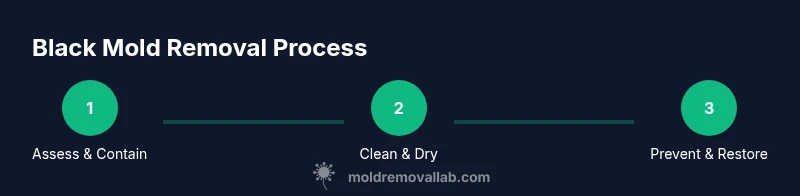
When addressing small, contained areas, follow a controlled sequence: protect yourself with PPE, isolate the area, clean hard surfaces with a detergent solution, dry quickly, and monitor for recurrence. If contamination is behind baseboards or in insulation, do not attempt to remove it without professional guidance. Keep records of the remediation process for future reference and inspections. After cleaning, inspect adjacent rooms to ensure no secondary growth has occurred and seal the area to prevent reintroduction of moisture.
Cleaning methods: deterring regrowth and choosing the right solutions
Detergent solutions or commercially formulated mold cleaners can be effective on non-porous surfaces. Avoid using bleach on porous materials; it may not reach embedded spores and can damage surfaces. Hydrogen peroxide (3%) is a common alternative for light mold on nonporous areas. For porous materials that can’t be salvaged, removal and replacement are often the best options. After cleaning, ensure the area is thoroughly dried within 24-48 hours to prevent regrowth. If you notice persistent odors, hidden moisture, or recurring growth, escalate to professional remediation.
Drying, moisture control, and prevention of recurrence
Mold thrives in humidity; the key to prevention is moisture control. Use dehumidifiers and proper ventilation, fix leaks promptly, and repair any compromised sealants. Regularly inspect problem areas—basements, bathrooms, and kitchens—for signs of moisture and mold. Consider installing exhaust fans that vent to the outside and using air purifiers with HEPA filters in high-risk spaces. Ongoing moisture management is essential to long-term success and minimizes the need for future treatments.
When to hire a professional and what to expect
If you encounter mold growth behind walls, extensive carpet contamination, or ongoing moisture issues, a professional remediation may be required. A licensed contractor can perform a thorough assessment, contain the area, remove contaminated materials safely, and address moisture sources. Request a detailed scope of work and a written estimate that includes containment, cleanup, and post-remediation verification. Professional remediation may be necessary for larger infestations or if health symptoms persist after attempted DIY removal. Mold Removal Lab’s guidance emphasizes safe practices and appropriate escalation when needed.
Prevention: long-term strategies to keep mold away
After removal, implement long-term moisture control: fix leaks, ensure proper drainage, improve ventilation, and monitor humidity levels. Remove or seal moisture-prone materials where feasible and consider using mold-resistant products in renovations. A maintenance plan that includes quarterly checks of humidity, visible mold signs, and air quality helps protect your home over time. Regular cleaning and prompt attention to water intrusion are your best defense against future mold growth.
Tools & Materials
- N95 respirator(NIOSH-approved; replace filters as recommended)
- Safety goggles(Splash protection; ensure a snug fit)
- Nitrile gloves(Chemically resistant; discard after use)
- Disposable coveralls or a work shirt/long sleeves(Optional for larger jobs)
- Plastic sheeting (6 mil or thicker)(Create containment barriers)
- Masking tape(Seal edges of containment)
- Detergent or mold-cleaning solution(Mild detergent or EPA-approved cleaner)
- Hydrogen peroxide 3% (optional)(Alternative for nonporous surfaces)
- Bottled water and bucket(Rinse and mix cleaning solutions)
- Scrub brushes and non-abrasive pads(For stubborn residues)
- Disposable rags or paper towels(For wiping and disposal)
- Plastic trash bags (heavy-duty)(Seal and dispose of contaminated material)
- HEPA vacuum (portable)(For cleanup after containment is removed)
- Moisture meter or hygrometer(To monitor humidity levels)
- Dehumidifier or fan(s)(Speed up drying and airflow)
Steps
Estimated time: 2-6 hours
- 1
Prepare and protect
Put on PPE, clear the area, and gather cleaning supplies. Establish a safe work zone and ensure proper ventilation. This reduces exposure risk and helps you stay organized during the remediation.
Tip: Test fit your respirator and ensure there are no air leaks before starting. - 2
Contain the space
Seal off the affected area with plastic sheeting, creating a negative-pressure barrier if possible. This prevents spores from spreading to other rooms and simplifies cleanup.
Tip: Keep doors closed and vents off to limit cross-contamination. - 3
Remove damaged materials
Carefully remove porous materials that show extensive mold damage or cannot be adequately cleaned. Bag contaminated items in sealed plastic bags to prevent release of spores.
Tip: Do not attempt to dry and reuse water-damaged porous materials like insulation. - 4
Clean hard surfaces
Wash non-porous surfaces with detergent solution or EPA-approved cleaner. Rinse and dry thoroughly to remove all residues. Avoid mixing cleaners with ammonia or bleach.
Tip: Work in small sections to ensure complete drying. - 5
Treat remaining mold on nonporous areas
For residual growth on nonporous surfaces, apply hydrogen peroxide or a suitable biocide per label directions. Wipe away spores after treatment and allow to dry completely.
Tip: Wait the recommended dwell time before wiping to maximize efficacy. - 6
Dry the space completely
Use a dehumidifier and fans to facilitate rapid drying. Target humidity below 60% and ensure no damp areas remain in walls or floors.
Tip: If moisture lingers, pause remediation and reassess the root moisture source. - 7
Inspect for hidden moisture
Check behind baseboards, drywall edges, and inside cavities for signs of moisture or further growth. Address leaks or condensation issues before sealing the area.
Tip: Use a moisture meter to detect areas you can't see. - 8
Restore and monitor
Repair water sources, reinstall removed materials if applicable, and monitor the area over time for signs of regrowth or recurring moisture.
Tip: Document changes with photos to track remediation effectiveness.
FAQ
What exactly is black mold and how can I tell it's dangerous?
Black mold refers to certain dark molds that thrive in moisture; not all dark mold is dangerous, but growth signals moisture problems and potential health risks. If you have persistent symptoms or growth behind walls, consider professional testing and remediation.
Black mold is a type of mold that grows in damp spaces. If you notice it behind walls or have ongoing symptoms, seek professional help.
Can I remove black mold myself?
Small, clearly contained mold on non-porous surfaces may be attempted with proper PPE and containment. Porous materials, hidden growth, or large infestations should be handled by a professional to ensure safety and effectiveness.
You can handle small, clear cases with PPE, but for larger or hidden mold, call a professional.
Is bleach effective for black mold removal?
Bleach can kill surface mold on non-porous surfaces but often fails to reach mold embedded in porous materials. It is not a cure-all and should be used with other cleaners or replaced with approved mold removers when dealing with porous substrates.
Bleach can help on hard, non-porous surfaces but may not prevent regrowth on porous materials.
When should I call a professional?
If mold covers a large area, recurs after cleaning, or is behind walls, behind insulation, or in HVAC, professional remediation is advised to ensure safety and thorough treatment.
Call a professional if the mold is large, keeps coming back, or is hidden behind walls or HVAC.
How long does remediation typically take?
Time varies with area size, moisture severity, and materials involved. Small, contained jobs may finish in a day; larger jobs can span several days to weeks depending on climate and structural repairs.
Remediation time depends on the size and moisture problems; small jobs can take a day, larger ones longer.
Will mold cause health problems even after removal?
Proper removal and dry-out greatly reduce health risks, but individuals with sensitivities should monitor symptoms and consider medical advice if exposure was prolonged or significant.
Removing mold reduces risk, but sensitive individuals should monitor symptoms after remediation.
What ongoing steps prevent mold recurrence?
Maintain proper humidity levels, repair leaks promptly, improve ventilation in wet areas, and conduct periodic inspections to catch moisture early before mold regrows.
Keep humidity down, fix leaks quickly, and inspect regularly to prevent mold from returning.
Are there safe, non-toxic options for disinfecting mold growth?
There are EPA- and brand-approved cleaners that are milder and safer for indoor use. Always read labels for surface compatibility and ventilation requirements, especially in homes with children or pets.
There are safer cleaners available; check labels and use proper ventilation.
Watch Video
The Essentials
- Identify mold growth and its moisture sources early.
- Use proper PPE and containment to prevent spread.
- Dry and dehumidify quickly to minimize regrowth.
- Call a pro for large infestations or behind-wall growth.