Air Handler Mold: Practical Remediation Guide for Homes
Identify, remove, and prevent air handler mold safely. This Mold Removal Lab guide covers containment, cleaning, drying, and ongoing prevention for safer indoor air and HVAC performance.


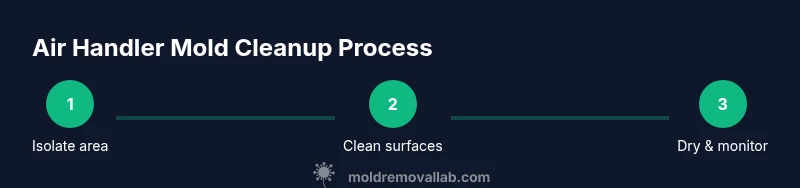
This guide helps homeowners safely remove mold from an air handler and prevent regrowth. You will learn how to inspect for moisture, isolate the unit, safely clean and sanitize surfaces, dry the area thoroughly, and implement ongoing prevention strategies. Essential tools include PPE, containment barriers, moisture meters, and approved cleaners.
Understanding the risk: air handler mold and indoor air quality
Air handler mold is more than an aesthetic problem. It can silently degrade indoor air quality by releasing mold spores into the supply air. In many homes, the root cause is hidden moisture from condensation, leaks, or high humidity that feeds growth inside the air handler cabinet and associated ducts. According to Mold Removal Lab, air handler mold often arises from moisture buildup near cooling coils and drainage pans, and it can spread quickly if ignored. Recognizing early signs—musty odors, visible discoloration on cabinet surfaces, or damp insulation—helps homeowners act before the problem worsens. This section lays the groundwork for a safe, effective remediation by outlining how moisture, airflow, and the unit’s design interact to create a mold-friendly environment. By understanding the risk, you can plan a controlled response that protects your health and your home's HVAC system.
How mold develops in air handlers
Mold spores are everywhere, but growth requires moisture, organic material, and time. In air handlers, condensate from cooling coils, leaks in ductwork, clogged drains, and humid conditions create a perfect niche for mold to take hold. The metal and plastic components provide surfaces for colonization, while the surrounding insulation can trap moisture and harbor hidden mold. When the blower runs, spores can hitch a ride into living spaces. Proactive maintenance—ensuring proper drainage, keeping humidity below 50-60%, and cleaning drip pans—dramatically reduces the likelihood of air handler mold taking root in your home. Understanding these dynamics helps you target the right problem areas and prevent regrowth.
Health implications of air handler mold
Exposure to air handler mold can trigger allergic reactions, coughing, wheezing, and eye irritation, especially for children, the elderly, and those with asthma or compromised immune systems. Prolonged exposure may worsen chronic respiratory symptoms and complicate existing conditions. While not all molds are dangerous, the potential for mycotoxins and irritants means it’s prudent to treat air handler mold as a health concern. This guide emphasizes minimizing spores in occupied spaces and choosing remediation steps that protect indoor air quality. Mold Removal Lab’s analysis highlights that reducing moisture and improving filtration are key to lowering health risks associated with air handler mold.
Safe containment and PPE before you begin
Before touching any part of the air handler, establish a containment zone to prevent mold spores from spreading to living areas. Use plastic sheeting to seal off the area, create a unidirectional airflow, and post warning signs. PPE is non-negotiable: wear an properly fitted respirator (N95 or P100), safety goggles, and non-porous gloves. If you must work near electrical components, ensure power is shut off and the area remains isolated. Handle all contaminated waste in sealable bags and dispose of it according to local regulations. These safety steps protect you and prevent cross-contamination during cleanup.
Cleaning strategies for metal and plastic surfaces
Non-porous metal and plastic surfaces in an air handler respond to cleaning with EPA-registered mold cleaners or a detergent-water solution. Start from the top and work downward, using microfiber cloths and non-abrasive brushes to lift spores without scratching surfaces. After cleaning, wipe with a disinfectant appropriate for HVAC components and allow to air-dry. Porous materials, such as certain insulation components, may harbor unseen mold and should be evaluated for replacement rather than cleaned. Always test a small area first and avoid mixing cleaners that can produce hazardous fumes.
Treating coils and drain pans with care
Coils and drain pans are common mold habitats, but they can be hazardous to disassemble if the system is sealed or powered. Do not remove major coil assemblies yourself unless you are trained and authorized; focus on cleaning accessible coil surfaces and drain pans from the exterior with approved cleaners. Vacuum away loose debris with a HEPA-equipped vacuum, then sanitize to reduce residual spores. If you notice persistent staining or slime, seek professional evaluation for potential coil cleaning or component replacement.
Drying and humidity control after remediation
Mold growth returns when moisture remains detectable after cleaning. Use dehumidifiers and improve attic or mechanical room ventilation to reduce ambient humidity. A moisture meter or hygrometer should show humidity levels below 60% in the treated area, ideally around 40-50% for ongoing protection. Run equipment continuously for 24-72 hours after cleaning and monitor daily. If moisture persists, address leaks and drainage as a priority, since hidden water sources are common culprits for recurrence of air handler mold.
When to call a professional and what to expect
If you encounter extensive mold growth, electrical concerns, or complicated ductwork, professional remediation is recommended. A licensed mold remediation contractor can safely perform containment, specialized cleaning, and system sanitization, and can advise on coil and insulation replacement if needed. Expect an on-site assessment, a containment plan, and documentation for future reference. Early professional input can prevent damage to the HVAC system and protect occupant health.
Prevention: long-term moisture control and filtration upgrades
Prevention centers on moisture control and proper filtration. Fix leaks promptly, keep condensate drains clear, and maintain humidity levels in living spaces. Upgrade HVAC filtration to efficient MERV-rated options compatible with your system, and replace dirty or wet insulation to limit mold reservoirs. Regular inspection of condensate pans, ductwork, and return air paths helps catch problems before they become mold growth. Consistent maintenance is the best defense against air handler mold.
Quick-start checklist to begin today
- Stop the source of moisture and power to the air handler.
- Set up containment with plastic sheeting and proper signage.
- Equip yourself with PPE and a HEPA vacuum.
- Clean visibly moldy surfaces with EPA-registered cleaners.
- Dry the area and monitor humidity until stable.
- Plan for ongoing prevention and maintenance.
- If in doubt, consult a Mold Removal Lab expert for guidance.
Common mistakes and how to avoid them
Common mistakes include using bleach on porous materials, skipping containment, and ignoring hidden moisture sources. Always test odors and colors before action, avoid aggressive scrubbing that damages surfaces, and never disturb mold growth beyond what is safely accessible. Document everything and maintain records for future reference.
Tools & Materials
- N95 respirator or P100 respirator(Properly fitted; protect against mold spores)
- Protective goggles or face shield(Eye protection against splashes and spores)
- Chemical-resistant gloves (nitrile)(Disposable preferred; outer gloves for contamination control)
- Disposable coveralls or protective clothing(Long sleeves; avoid fabric that traps moisture)
- Plastic sheeting (6 mil or thicker)(To create containment barriers and seal off area)
- Containment tape or zip panels(Seal seams; prevent cross-contamination)
- HEPA-equipped vacuum(High-efficiency filtration for debris and spores)
- EPA-registered mold cleaner or detergent solution(Follow label directions; avoid mixing cleaners)
- Non-abrasive microfiber cloths(Lint-free; used for gentle cleaning)
- Coarse scrub brushes (plastic bristles)(For textured surfaces, avoid scratching)
- Moisture meter / hygrometer(Monitor humidity; aim for below 60% RH)
- Sealable waste bags(For contaminated materials; label and dispose)
- Dehumidifier or portable air dryer(Aids rapid drying in highly humid spaces)
Steps
Estimated time: 2-6 hours for cleanup, plus 24-72 hours of drying if needed
- 1
Shut down the HVAC and isolate the area
Turn off power to the air handler and the building’s HVAC system to prevent circulation of mold spores. Establish containment at the entry and seal the work zone. This prevents cross-contamination to other rooms.
Tip: If you’re unsure about electrical work, consult a licensed technician before cutting power. - 2
Set up containment and PPE
Install plastic sheeting to create a stable barrier around the work area. Put on PPE: respirator, goggles, gloves, and disposable coveralls. Ensure seams are sealed and air flow is controlled away from living spaces.
Tip: Check seams for gaps and tape them securely; even small openings can release spores. - 3
Inspect and document mold and moisture sources
Carefully inspect visible mold and note moisture sources such as leaks or condensate lines. Photograph affected areas and map out the area to guide cleanup and future maintenance.
Tip: Do not disturb mold more than necessary; aggressive disturbance can release spores into the air. - 4
Clean accessible non-porous surfaces
Spray the cleaner on non-porous surfaces and wipe with microfiber cloths. Rinse if required by the product and let surfaces dry completely before sealing off the area. Use the HEPA vacuum to remove debris from hard-to-reach spots.
Tip: Always vent the space if using chemical cleaners and never mix products. - 5
Address coils and drainage pans with care
Avoid disassembling sealed coil assemblies unless trained. Clean accessible coil surfaces and drainage pans from the exterior. Vacuum loose material and wipe with a mold-safe cleaner; sanitize and let dry.
Tip: Electrical components are a hazard; don’t pull on wiring or dislodge wiring harnesses. - 6
Rinse, sanitize, and protect cleaned surfaces
Apply an approved disinfectant for HVAC components and allow proper contact time. Wipe down with clean cloths and dry thoroughly. This reduces residual spores and inhibits regrowth.
Tip: Do not over-wet porous insulation; replace if wet. - 7
Drying and humidity control
Run a dehumidifier or HVAC-integrated dryer in the space to bring humidity below 60% RH. Use a moisture meter to verify dryness and monitor for 24-72 hours after the initial cleanup.
Tip: If humidity remains high, investigate hidden leaks and improve ventilation to speed drying. - 8
Cleanup containment and waste disposal
Remove containment materials last; bag contaminated waste in sealable bags and dispose per local regulations. Clean and sanitize tools before storage. Document the process for future reference.
Tip: Label bags clearly to avoid confusion with regular trash.
FAQ
How can I tell if my air handler has mold growth?
Look for visible discoloration, musty odors, and signs of condensation around the air handler. If you see staining on insulation or coils, or if occupants report persistent allergy symptoms, mold could be present. A professional mold test can confirm hidden growth.
Check for stains and a musty smell near the air handler; if in doubt, schedule testing.
Can I clean air handler mold myself, or must I hire a pro?
You can handle small, non-risky areas with proper PPE and containment. Larger, extensive, or hard-to-access mold should be handled by a licensed remediation professional to ensure complete removal and system integrity.
For large or complex mold, hire a licensed pro; for small spots, follow safety guidelines carefully.
What cleaners are safe to use around HVAC components?
Use EPA-registered mold cleaners or a detergent-water solution. Avoid mixing cleaners, and follow product directions. For difficult residues, consult a professional before applying harsher agents near electrical components.
Choose EPA-approved cleaners and never mix chemicals near the HVAC system.
How long does it take to dry after remediation?
Drying time varies with space and humidity. In dry conditions, 24-72 hours is typical after cleaning, but higher ambient moisture can extend this period. Use a dehumidifier and monitor humidity to confirm dryness.
Most spaces dry within a few days with proper dehumidification; monitor humidity to be sure.
Should I replace the air handler if mold recurs?
If mold recurs despite cleaning and moisture control, it may indicate a deeper issue such as ductwork contamination or degraded insulation. A professional assessment can determine whether replacement is necessary.
If recurrence happens after proper remediation, get a professional assessment to decide on replacement.
How can I prevent air handler mold in the future?
Maintain humidity control, fix leaks promptly, and ensure drains are clear. Regularly inspect the air handler area and replace damp insulation. Upgrading filtration and improving airflow can also reduce mold risk.
Keep humidity low, fix leaks fast, and inspect the area regularly to prevent mold.
Is mold in the air handler dangerous to health?
Yes, mold exposure can irritate the lungs and airways, especially for sensitive groups. Even non-toxic molds may trigger allergies and symptoms. Minimize exposure by solving moisture problems and using proper filtration during remediation.
Mold in air handlers can affect health; reduce exposure by fixing moisture and using proper cleanup.
When should I involve a licensed professional?
Call a licensed mold remediation professional if mold is widespread, if you’re uncomfortable with electrical components, or if humidity is hard to control after cleaning. A pro can perform a thorough inspection, containment, and system sanitization.
If in doubt or when extensive mold is present, hire a licensed remediation professional.
Watch Video
The Essentials
- Contain and protect: seal off the work area before cleanup.
- Target moisture sources: fix leaks and condensation to prevent recurrence.
- Use proper cleaners and PPE: protect health and avoid hazardous reactions.
- Dry thoroughly: ensure humidity is consistently low to stop regrowth.
- Consider professional help if mold is extensive or electrical components are involved.