AC Unit Mold Cleaning: Practical Steps for Homeowners
A practical step-by-step guide to cleaning mold from air conditioning units, focusing on moisture control, safe disinfectants, and when to call a pro. This Mold Removal Lab guide helps homeowners reduce mold risk.


AC unit mold cleaning can restore indoor air quality when mold growth is limited and moisture is controlled. Start with safety steps, isolate the area, and clean non-porous surfaces with EPA-registered cleaners. If mold exceeds 10 square feet, or you have asthma or allergies, consider professional remediation. This guide focuses on safe, practical steps homeowners can perform to reduce risk.
Understanding AC unit mold cleaning: risks and why it matters
According to Mold Removal Lab, mold in HVAC components is often driven by moisture intrusion and poor drainage. The area around the air handler and ducts can harbor biofilm and dust that fuels mold growth. For homeowners, a practical approach combines moisture control, surface cleaning, and monitoring. The goal is not to sterilize every molecule but to reduce viable spores and prevent recurrence. In many homes, addressing the moisture source—such as leaks, condensation, or humid air—will be as important as scrubbing visible growth. A proactive plan will also include filter changes and regular inspections to catch new growth early. With the right steps, you can protect occupants, improve air quality, and extend the life of the cooling system.
Safety and PPE: preparing for a mold cleaning session
Before you touch any part of the HVAC system, turn off power to the unit and disconnect the thermostat to avoid shocks or accidental activation. Wear a properly fitted N95 respirator, nitrile gloves, and safety goggles. Work in a well-ventilated area and use plastic sheeting to contain debris. Mold spores can spread through the system if disturbed, so establish a containment zone and avoid dry sweeping which can aerosolize spores. If you have asthma, allergies, or a compromised immune system, limit work to the outer surfaces and seek professional help.
Cleaning agents and disinfectants: what works and what to avoid
Use EPA-registered disinfectants that are labeled for mold remediation on non-porous surfaces. Quaternary ammonium compounds or hydrogen peroxide-based products are commonly used for HVAC surfaces. Plain household bleach is sometimes effective on non-porous metal, but never mix cleaners with ammonia or acids, and never spray onto live electrical components. After applying cleaner, rinse or wipe residues as directed by the product label. Remember, disinfectants do not fix the moisture problem; they reduce surface contamination while you address underlying causes.
Tools and materials you’ll need for AC mold cleaning
A HEPA vacuum, microfiber cloths, soft-bristle brushes, and spray bottles are essential. Keep a moisture meter to track humidity and a dehumidifier if indoor RH stays above 50%. Have the right PPE: N95 respirator, nitrile gloves, safety goggles. Use an EPA-registered cleaner and a secondary disinfectant for tough spots. If you must access the coil, blower wheel, or duct connections, consider a cover or bag to collect debris and prevent spore spread.
Moisture control and source identification around the unit
Mold Removal Lab analyses show moisture is the main driver of growth in AC systems. Inspect condensate drains, pan vulnerabilities, and seals around the air handler. If you see a persistent damp smell or visible mold, locate and fix leaks or drips behind panels. A dehumidifier or desiccant unit can keep humidity below 50% RH, which slows mold return. Cleaning without moisture control is likely to be short-lived.
Deeper approach: prevention, monitoring, and when to call a pro
After cleaning, reassemble with clean, dry components and reseal panels. Replace filters with high-efficiency options and schedule routine maintenance. Keep a log of humidity readings, cleaning dates, and any signs of regrowth. If mold covers more than 10 square feet, or you have health concerns, it’s wise to contact a certified mold remediation professional. The Mold Removal Lab team recommends adopting a proactive moisture management plan and ongoing filtration improvements to prevent reoccurrence.
Tools & Materials
- Nitrile gloves(Latex-free barrier protection)
- N95 respirator(Ensure proper fit; seal at nose and cheeks)
- Goggles or safety glasses(Protect eyes from splashes and spores)
- HEPA vacuum with attachments(Use with care on damp surfaces)
- Spray bottle(For applying cleaners; label with contents)
- EPA-registered cleaner/disinfectant(Follow label directions)
- Soft-bristle brush(Gentle scrubbing for coils and surfaces)
- Plastic sheeting and tape(Containment, limit spore spread)
- Moisture meter(Track humidity levels)
- Dehumidifier or desiccant(Maintain RH below 50%)
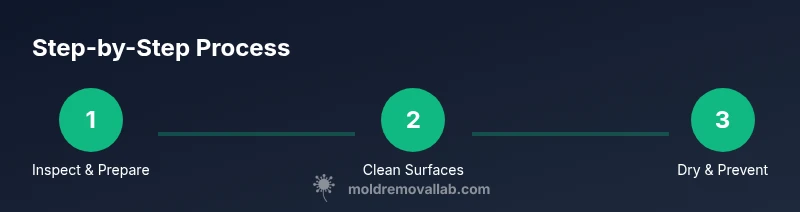
Steps
Estimated time: 2-3 hours active; 12-24 hours drying and rechecks
- 1
Power off and prep
Shut down the HVAC system and disconnect power to avoid electrical hazards. Gather PPE and containment supplies before starting. This reduces risk and keeps the workspace organized.
Tip: Label the power switch and keep a clear path to the unit. - 2
Contain and ventilate
Set up plastic sheeting to create a containment zone around the immediate area. Open nearby windows if safe and use a fan to direct air outward away from living spaces.
Tip: Avoid blowing air from the unit into occupied rooms. - 3
Remove accessible filters
Take out any disposable filters from the air handler. Place them in a sealed bag for disposal or cleaning per the manufacturer’s guidelines.
Tip: Handle filters by edges to minimize disturbance. - 4
Vacuum loose debris
Use a HEPA vacuum to remove loose dust and mold spores from accessible surfaces. Do not wet-vacuum around electrical components.
Tip: Work slowly to avoid dislodging spores into indoor spaces. - 5
Apply cleaner to non-porous surfaces
Spray the cleaner on coils, condensate pans, and metal surfaces following product instructions. Wipe with microfiber cloths and use a brush for stubborn spots.
Tip: Never apply concentrates directly to wiring or electronics. - 6
Rinse and dry treated areas
Wipe residues away with a clean, damp cloth if the product requires rinsing. Allow treated areas to dry completely before reassembly.
Tip: Use fans to speed drying but avoid direct blast onto coils. - 7
Reassemble and test
Return filters and panels once dry. Restore power and monitor for unusual odors or moisture gains over the next days.
Tip: Keep the unit off if moisture returns before completion. - 8
Prevent recurrence
Set humidity below 50%, fix leaks promptly, and schedule periodic inspections. Maintaining good filtration and airflow reduces future mold risk.
Tip: Document maintenance and moisture readings for reference.
FAQ
What signs indicate mold growth in an AC unit?
Common signs include musty odors, visible black or green growth, and increased allergy symptoms when the system is running.
Look for musty smells and visible growth when the unit is running.
Is it safe to clean mold in an air handler myself?
Small, surface mold on non-porous areas can be cleaned with proper PPE and disinfectants. More extensive growth or porous materials should be handled by a professional.
You can handle small areas if you have the right PPE and follow product labels, but large growth requires a pro.
What should I avoid when cleaning AC mold?
Avoid mixing cleaners, spraying near electrical components, and using dry sweeping, which can spread spores.
Don’t mix cleaners and avoid dry sweeping to prevent spreading spores.
How often should I inspect my AC for mold?
Inspect during seasonal maintenance and after incidents like floods or high humidity events.
Check during season changes and after leaks; be proactive.
Can cleaning remove mold from ducts completely?
Cleaning can reduce contamination, but ducts may require professional cleaning if growth is extensive.
Cleaning helps, but extensive ducts often need professionals.
When should I hire a professional mold remediation service?
If area exceeds 10 square feet, if you have health concerns, or if growth recurs after cleaning.
If large areas or recurring growth, call a pro.
Watch Video
The Essentials
- Identify and control moisture sources first
- Use EPA-registered cleaners on non-porous surfaces
- Protect yourself with proper PPE before starting
- Monitor humidity to prevent mold return
- Call a pro if mold area is large or health risks exist