AC Mold Removal Guide: Safe Home Remediation Steps
Practical, step-by-step guidance to identify, remove, and prevent ac mold in homes. Learn safety tips, DIY limits, and when to call professionals for HVAC mold remediation.


AC mold can threaten indoor air quality, especially in cool, damp HVAC spaces. This guide shows homeowners how to identify ac mold, decide between DIY vs professional remediation, and follow safe, step-by-step actions to clean and prevent recurrence. You’ll learn essential safety precautions, moisture control techniques, and when to call a licensed pro for complex cases.
What is ac mold and why it's a problem
AC mold refers to mold growth inside air conditioning components, ducts, and condensate pans. The constant cooling temperature, humidity, and occasional condensation create a hospitable environment for fungi to thrive. When mold colonizes coil surfaces or ductwork, spores can circulate through supply vents, impacting indoor air quality and potentially triggering allergies, coughing, or asthma symptoms, especially for occupants with sensitivities. According to Mold Removal Lab, many homes show mold indicators after humid seasons or when the AC system is not serviced regularly. Mold Removal Lab Analysis, 2026, emphasizes that moisture control and prompt remediation dramatically reduce health risks and expensive damage. Mold growth can be hidden inside ducts or insulation, making it harder to detect without inspection. A basic visual check can miss hidden colonies, so consider professional testing if you notice musty odors, persistent allergy symptoms, or visible staining on ducts or the evaporator coil. Throughout this guide we use the term ac mold to describe mold problems specifically tied to air-conditioning equipment and pathways.
HVAC design and environmental factors that foster ac mold growth
Several factors in home cooling systems promote mold development. High indoor humidity (above about 50-60%), poor air sealing, and inadequate drainage of condensate create a sustained damp environment. The evaporator coil area is typically near cold surfaces, so any delay in drainage or frequent shutdowns can cause condensation that feeds mold. Ductwork with leaks or poor insulation allows warm, moist air to meet cold surfaces, creating condensation on ducts and insulation. Debris buildup along the coil or pan also provides organic nutrients for fungi. Regular filter changes help reduce spores entering the system, but cleaning and maintaining the drainage pan, coil, and duct connections are essential to prevent ac mold. The Mold Removal Lab team notes that proactive moisture management—using dehumidifiers, proper venting, and timely servicing—significantly reduces mold risk and improves overall indoor air quality.
Practical prevention strategies for homeowners
To reduce ac mold risk, implement a moisture-aware routine and regular maintenance. Start by controlling humidity to keep indoor levels under 50-60%. Use a dehumidifier in damp areas and ensure proper bathroom and kitchen ventilation. Change HVAC filters every 1-3 months and inspect condensate drain lines for clogs. Seal duct leaks and insulate exposed ducts, especially in crawl spaces or attics. Regularly clean the condensate pan and coil surface with an EPA-registered cleaner, and promptly address any water intrusion or spills near the equipment. Keep indoor spaces clean and dry, fix leaks quickly, and consider annual professional inspections to catch concealed mold growth early. The goal is to prevent ac mold by reducing moisture, limiting nutrients, and maintaining a stable, dry environment year-round.
When to involve professionals and what to expect from remediation
If you notice persistent musty odors, visible growth beyond a small area, ongoing moisture, or health symptoms like watering eyes or coughing during AC use, schedule a professional assessment. A licensed HVAC mold remediation specialist will typically perform containment, air filtration, duct cleaning, and material disposal as needed. Remediation includes isolating the work area, using HEPA systems, and removing saturated materials, followed by thorough cleaning and a re-test of moisture and air quality. After remediation, you should see improved air quality and fewer odors, and you may need a follow-up check to confirm mold elimination. The Mold Removal Lab team emphasizes that ongoing maintenance—like humidity control and regular system servicing—helps prevent future ac mold outbreaks.
Tools & Materials
- N95 respirator(Fit-tested is ideal; replace if damaged)
- Disposable gloves(Nitrile or latex; avoid latex if sensitive)
- Safety goggles(Wraparound protection)
- Plastic sheeting (6 mil or thicker)(To contain the work area)
- Duct tape(Seal seams of containment)
- HEPA vacuum(Use for cleanup only; do not dry sweep)
- EPA-registered mold cleaner / detergent(Follow label directions)
- Disposable scrub brushes(Non-porous surfaces only)
- Heavy-duty trash bags(For contaminated materials)
- Dehumidifier(Aim to keep RH below 50-60%)
- Moisture meter (optional)(Helps verify drying progress)
Steps
Estimated time: 8-24 hours
- 1
Identify affected areas and assess risk
Locate visible mold and check for hidden growth behind panels, insulation, or ductwork. Note moisture sources such as leaks or condensate pooling. Do not disturb active mold colonies; improper handling can release spores.
Tip: Document locations with photos before cleaning to guide remediation. - 2
Contain the work area to prevent cross-contamination
Close doors and seal off the room with plastic sheeting. Create a clean interior aisle for equipment to minimize spread to unaffected spaces.
Tip: Use negative pressure if available to keep spores from migrating. - 3
Isolate HVAC airflow and shut down affected components
Turn off the air handler or set the system to a mode that minimizes air movement through contaminated ducts. If you’re unsure, contact a pro before touching the system.
Tip: Do not operate the system while mold is present in ducts. - 4
Clean non-porous surfaces and seal porous materials
Wipe down hard, non-porous surfaces with EPA-registered cleaner. Avoid brushing dry; use damp methods to minimize spore release. Porous materials contaminated beyond cleaning should be removed and bagged.
Tip: Always dispose of contaminated materials in sealed bags. - 5
Dry the area thoroughly and restore humidity control
Run a dehumidifier and ensure airflow to dry all affected areas. Aim for relative humidity below 50-60%. Recheck periodically until moisture meters show safe readings.
Tip: Keep area contained during drying to prevent recontamination. - 6
Re-test and plan follow-up remediation
After drying, re-test moisture and, if possible, air quality. If mold persists or returns, escalate to professional remediation and address underlying moisture problems.
Tip: Schedule a follow-up inspection to ensure complete removal.
FAQ
What is ac mold, and why is it a concern?
AC mold denotes mold growth within HVAC components and ducts caused by moisture. It can spread spores into living spaces, impacting health and comfort.
AC mold is mold growth inside your air conditioning system; it can spread spores and worsen indoor air quality.
Can I remove ac mold myself safely?
Small, nonporous mold on accessible surfaces may be cleaned with proper PPE and containment. Porous materials or hidden growth should be handled by a professional.
You can handle small, nonporous mold areas with PPE, but it’s safer to call a pro for larger or hidden growth.
When should I hire a professional for ac mold remediation?
If you notice widespread growth, persistent moisture, or health symptoms, a licensed remediation specialist should assess and treat the problem.
If mold covers a large area or there’s ongoing moisture, contact a licensed remediator.
What signs indicate ac mold in ducts or coils?
Musty odors, visible staining on ducts or coil surfaces, and ongoing allergy symptoms are common indicators of ac mold.
Look for musty smells and visible discoloration in the HVAC ducts or coils.
Is it safe to run the AC during remediation?
Running the AC can spread spores; restrict operation until containment and cleaning are complete, then re-check air quality.
Avoid using the AC until containment is in place and cleanup is finished.
Watch Video
The Essentials
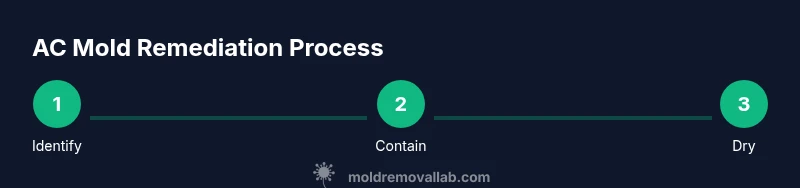
- Identify ac mold early to reduce spread.
- Contain and dry areas promptly after discovery.
- Use PPE and proper containment for safety.
- DIY for small, non-porous areas; professional help for hidden or extensive mold.
- Maintain humidity to prevent future ac mold growth.