Symptoms of Mold Exposure Treatment: A Homeowner Guide
A practical, step-by-step guide to recognizing symptoms of mold exposure treatment, seeking medical care, and reducing mold at home with expert guidance from Mold Removal Lab.


Recognize and address symptoms of mold exposure treatment by seeking medical evaluation, identifying exposure sources, and starting relief from allergic and irritant symptoms. This guide outlines when to seek care, how to document symptoms, and practical steps to reduce moisture and mold growth at home. Early reporting and remediation improve outcomes for most households.
Understanding the Link Between Mold and Health
According to Mold Removal Lab, exposure to mold can trigger a range of health responses depending on sensitivity, duration of exposure, and the mold type. The Mold Removal Lab team found that most people experience respiratory symptoms like coughing, nasal congestion, and wheeze, along with eye irritation and skin rashes in susceptible individuals. This section explains how symptoms relate to exposure, and why prompt action matters for treatment and relief. Mold-related health effects are not uniform; some people may notice only mild irritation, while others with asthma, allergies, or compromised immunity can have more pronounced reactions. Recognizing the pattern—especially recurring symptoms in damp conditions—helps you decide when to seek medical care and start remediation to protect household health. The overarching goal is to reduce exposure quickly while ensuring any medical needs are addressed by a clinician.
Symptoms by Body System and Onset
Mold exposure can affect several body systems. Respiratory symptoms are common: coughing, wheezing, chest tightness, and shortness of breath. Nasal congestion, sinus pressure, and itchy or watery eyes frequently accompany these signs. Skin symptoms may appear as rashes or irritation after contact with moldy materials. Some people report headaches, fatigue, or cognitive fog in environments with persistent mold. If symptoms intensify after time in a damp space or improve after removal from the area, this can indicate mold-related irritation or allergic response. Environmental context matters: poor ventilation, high humidity, and ongoing leaks increase risk and may delay recovery if not addressed.
Why Treatment Is Not One-Size-Fits-All
Treatment varies based on age, health status, and the specific symptoms you experience. Acute irritant exposure might respond to symptom relief like saline sprays, antihistamines, or nasal steroids, while asthma-like symptoms may require inhalers or bronchodilators under medical supervision. Chronic exposure could warrant longer-term management strategies and environmental interventions. The key is a dual approach: medical care for symptoms and targeted remediation to remove mold sources from the living space. Early evaluation helps distinguish mold-related symptoms from other respiratory conditions and ensures appropriate treatment is prescribed.
Tools & Materials
- NIOSH-approved N95 respirator(Ensure proper fit; use during inspection and cleanup to reduce inhalation of spores)
- Disposable coveralls(Protect skin and clothing from mold spores)
- Disposable gloves(Wear when handling moldy materials and cleaning agents)
- Eye protection (goggles)(Prevent exposure to spores during cleanup)
- HEPA-filter vacuum cleaner(Use for safe cleanup and debris collection)
- Moisture meter(Identify damp areas and monitor humidity levels)
- Plastic sheeting / containment materials(Contain areas during cleanup to prevent spread)
- Heavy-duty trash bags(Seal contaminated materials securely)
- Mold-cleaning solution (soap/water or approved cleaner)(Follow label directions; avoid mixing with bleach)
Steps
Estimated time: 2-8 hours
- 1
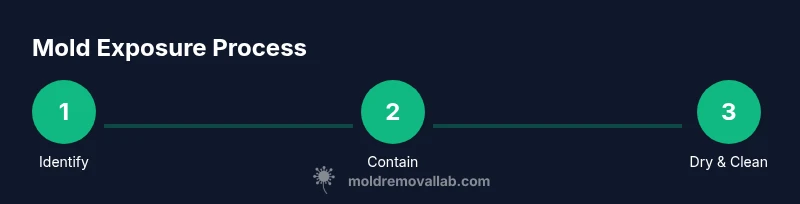
Inspect and document problem areas
Walk through the living space with a flashlight, noting visible mold growth and moisture sources. Take dated photos and map locations to track progress and communicate with professionals. Document odors or condensation patterns that suggest hidden moisture.
Tip: Focus on damp zones: kitchens, bathrooms, basements, and areas around leaks. - 2
Stop the moisture source
Repair leaks, fix plumbing issues, and reduce humidity with dehumidifiers or improved ventilation. Dry affected areas within 24-48 hours when possible to prevent mold from taking hold.
Tip: Even small water events can seed mold—address them quickly. - 3
Contain the area
Seal off the affected area with plastic sheeting to prevent spores from spreading to other rooms. Use tape to create tight seams and maintain a contained HVAC approach.
Tip: Do not bypass containment by opening doors to other spaces. - 4
Remove and bag contaminated materials
Carefully remove mold-damaged porous materials (drywall, insulation) if they are heavily infested and bag them in sealed trash bags for disposal. Non-porous items can be cleaned with appropriate cleaners.
Tip: Avoid disturbing moldy materials excessively during removal. - 5
Clean and disinfect surfaces
Clean non-porous surfaces with soap and water; apply an EPA-approved mold cleaner if necessary. Avoid mixing cleaners and never rely on bleach as the sole solution on porous materials.
Tip: Rinse and dry thoroughly after cleaning to prevent regrowth. - 6
Dry thoroughly and monitor
Use fans and dehumidifiers to drive moisture down and monitor humidity levels. Revisit the area daily until it remains dry for at least a week.
Tip: Keep humidity below 50-60% where possible. - 7
Dispose of waste and finalize
Seal and remove waste from the home following local guidelines. Sanitize equipment and wash hands and exposed skin after cleanup.
Tip: Record disposal dates and areas remediated for future reference.
FAQ
What are the common symptoms of mold exposure?
Common symptoms include coughing, wheezing, nasal congestion, sinus pressure, itchy or watery eyes, and skin irritation. Some people experience headaches, fatigue, or cognitive fog in damp environments. If symptoms persist or worsen, seek medical evaluation.
Common mold exposure symptoms include coughing, nasal stuffiness, and eye irritation. If you notice persistent symptoms around damp spaces, consult a clinician.
Can mold exposure lead to serious health issues?
In susceptible individuals—such as those with asthma, allergies, or compromised immunity—mold exposure can worsen respiratory symptoms and trigger allergic reactions. Severe or chronic exposure may require medical management and environmental remediation to prevent ongoing harm.
Yes, for some people mold exposure can worsen asthma or allergies; long-term exposure should be addressed medically and environmentally.
How is mold exposure treated medically?
Treatment depends on symptoms. Antihistamines and nasal steroids help allergic symptoms; bronchodilators may assist in asthma-like symptoms; antibiotics are only used if a secondary bacterial infection is confirmed. A clinician may recommend longer-term strategies if exposure continues.
Treatment varies—antihistamines or nasal sprays for allergies, bronchodilators if breathing is affected, and medical guidance on ongoing exposure.
Should I test my home for mold before seeking medical care?
Mold testing can help identify sources, but it does not replace a medical evaluation. If symptoms persist, prioritize seeing a healthcare professional and addressing moisture and mold at home.
Testing can help locate mold, but seeing a doctor first is important for persistent symptoms.
How long does treatment for mold exposure take?
Duration varies with symptom severity and exposure duration. Short-term relief is possible for mild symptoms, while chronic exposure may require ongoing medical management and environmental remediation.
Recovery time depends on how severe the exposure is and how quickly the environment is remediated.
When should I hire a professional remediator?
Consider a professional remediator when mold covers a large area, growth is behind walls or in structural components, or there is persistent moisture despite basic cleanup. Professionals can safely remove mold and ensure proper cleanup and containment.
If mold is widespread or hidden, or moisture remains, hire a certified mold remediation professional.
Watch Video
The Essentials
- Identify moisture sources and fix them to stop mold growth.
- Document symptoms and seek medical care if exposure worsens.
- Use PPE and follow professional guidelines to minimize exposure.
- Contain and dry affected areas promptly to prevent spread.
- For large areas, hire a certified mold remediation professional.