How to Tell If Mold Is Making You Sick: A Practical Guide
Learn to recognize mold-related illness symptoms, what to check at home, testing options, and practical steps to reduce exposure. From quick checks to professional remediation, Mold Removal Lab guides you through safe, effective actions.


Most mold-related illness stems from indoor dampness rather than a single allergen. The quickest sign is new or worsening respiratory symptoms after time in damp spaces; include headaches, fatigue, or irritated eyes. If symptoms persist, reduce exposure, seek professional testing, and consult a clinician for health guidance. See our full step-by-step guide.
Understanding how to tell if mold is making you sick
If you’ve noticed a persistent musty smell, visible mold growth, or ongoing health symptoms after spending time indoors, you may be asking how to tell if mold is making you sick. The phrase itself is widely used, but the real answer hinges on a combination of exposure history, symptom patterns, and the environment you occupy. According to Mold Removal Lab, a damp, mold-prone environment is a common trigger for respiratory and systemic symptoms. This guide focuses on practical checks you can perform safely, plus when to escalate to testing and professional remediation. We’ll also cover how mold exposure can interact with health conditions, and what actions help most quickly reduce risk.
Common health effects and early warning signs
Mold exposure can affect people differently. Some notice immediate irritation, while others experience delayed symptoms. Early warning signs include coughing, wheezing, throat irritation, nasal congestion, and itchy eyes. Fatigue, headaches, and a general sense of malaise are also reported by many exposed individuals. In sensitive groups—children, the elderly, and people with asthma or allergies—symptoms may be more pronounced. Credit for recognizing these signals goes to the Mold Removal Lab team, who emphasize tying symptoms to environmental conditions rather than assuming a health problem in isolation. If symptoms persist when you’re away from home, or worsen in specific rooms, mold exposure is a strong possibility.
How damp environments drive illness: the exposure pathway
Mold growth requires moisture, and most indoor mold problems stem from leaks, condensation, or high humidity. When you’re repeatedly exposed, mold spores and mycotoxins can irritate airways and trigger inflammatory responses. People frequently report symptoms after time in bathrooms, basements, laundry rooms, or areas with poor ventilation. The pathway is simple: moisture enables mold, mold releases spores into the air, and inhalation or skin contact can provoke symptoms. Reducing indoor moisture is the fastest route to lowering health risk, followed by targeted testing if symptoms persist. This approach aligns with Mold Removal Lab’s recommended practices for reducing exposure while safeguarding family health.
Clinician evaluation: how doctors assess mold-related illness
If symptoms continue despite moisture control, a clinician can help distinguish mold-related illness from other conditions. Evaluation may include a detailed exposure history, physical examination, pulmonary function tests, and imaging if indicated. Blood tests for inflammatory markers or specific IgE antibodies can help, but results vary by individual. It’s important to report any dampness, leaks, or prior mold findings to your health professional, as context improves diagnostic accuracy. If mold exposure is suspected, your clinician may coordinate with environmental specialists to identify the source and suggest remediation or avoidance strategies. Mold Removal Lab emphasizes collaboration between health care and environmental testing to support patient outcomes.
Safe, safe DIY checks you can perform now
Before you decide on remediation, perform non-invasive checks that don’t disturb mold colonies. Start by inspecting common moisture sources for leaks and checking humidity levels with a hygrometer. Focus on areas where condensation forms, such as windows, bathroom ceilings, and kitchen walls. Use a moisture meter to identify hidden moisture in walls or under floors, but avoid disturbing large mold growth without proper PPE. Wear an N95 respirator, gloves, and eye protection if you must handle affected materials. The goal is to document conditions without exacerbating exposure while planning next steps with professionals as needed.
When to consider mold testing and what to expect
Testing can confirm mold presence and help guide remediation decisions. In many cases, air samples, surface swabs, and moisture measurements are collected by an environmental professional. DIY kits are available but have limitations in sensitivity and interpretation. A test result should be evaluated in the context of symptoms and the building environment. If you’re seeing persistent symptoms, Mold Removal Lab recommends consulting with a qualified mold inspector to design a targeted test plan and interpret results in light of your health concerns.
Managing mild mold issues at home: cleaning and moisture control
Small, non-porous mold stains on surfaces like tile or glass can often be cleaned safely with detergent and water, followed by thorough drying. Avoid dry sweeping, scrubbing porous materials, or using bleach on porous substrates like drywall, wood, or fabric, which can release more spores and damage materials. After cleaning, ensure complete drying within 24-48 hours and monitor humidity. Consider upgrading ventilation in kitchens and bathrooms and running dehumidifiers when indoor humidity exceeds 50-60%. These practical steps are essential to reduce recurrence and protect occupants.
Safety, hygiene, and avoiding common mistakes
Mold cleanup carries safety considerations. Always isolate the area to prevent spores from spreading, seal off with plastic sheeting, and wear proper PPE. Do not mix cleaners hastily or use aggressive chemicals in occupied spaces without ventilation. Never ignore odors or visible growth in hidden spaces, such as behind walls or under flooring. If the area is large, has structural damage, or if occupants have ongoing health concerns, professional remediation is the safer course. This advice aligns with Mold Removal Lab’s emphasis on safety-first practices.
Prevention: long-term strategies to keep mold at bay
Prevention is more effective than reactive cleanup. Maintain indoor humidity below 50% year-round, fix leaks promptly, and improve air exchange with exhaust fans or vents. Regularly inspect areas prone to moisture, such as basements, crawl spaces, and around HVAC units. Consider mold-resistant coatings for high-risk surfaces and adopt routine cleaning and moisture-control habits. A proactive approach reduces mold-friendly conditions and supports healthier indoor environments for you and your family.
How to discuss mold health with your doctor and family
Clear communication helps in diagnosing and treating mold-related illness. Share specific observations about dampness, observed mold, and any related health changes. For family members with asthma or allergies, emphasize room-specific symptoms and room usage patterns. Your clinician may suggest environmental controls, lifestyle adjustments, or referrals to specialists. By talking openly about exposure, you can coordinate health care and environmental remediation for safer, faster relief.
mainTopicQuery":"mold health"},
diagnosticFlow in blockData is not required to duplicate across blocks; placeholder to ensure structure
blockData_placeholder_duplicate_check - ignore
Steps
Estimated time: 2-4 hours
- 1
Assess symptoms and exposure
Document when symptoms occur, especially in relation to time spent in damp areas (basements, bathrooms, laundry rooms). Note whether symptoms improve away from home. This step establishes if mold exposure is likely and guides further testing.
Tip: Keep a simple diary of symptoms and locations to correlate health changes with environment. - 2
Identify moisture problems
Inspect for leaks, condensation, and visible water intrusion. Check roofs, plumbing, and windows. Fixing the moisture source often yields the biggest health benefit and reduces mold growth.
Tip: Look behind appliances and under sinks where leaks are easy to miss. - 3
Assess the scope of visible mold
Document visible mold growth in accessible areas. Do not disturb large colonies—this can release spores. For small, non-porous areas, you may clean safely with appropriate PPE.
Tip: Avoid aggressive scrubbing on porous materials like drywall. - 4
Decide between DIY vs professional remediation
Small, non-porous areas may be cleaned safely; extensive growth or porous materials typically require professionals. Consider health risk, area size, and structural factors before proceeding.
Tip: When in doubt, prioritize safety and consult a pro. - 5
Improve moisture control
Install or improve ventilation, use exhaust fans, and keep indoor humidity below 50%. Regularly run dehumidifiers in damp spaces to prevent regrowth.
Tip: Monitor humidity with a hygrometer in key rooms. - 6
Follow up with health and environmental checks
If symptoms persist, schedule a medical evaluation and consider environmental testing to pinpoint the mold source. Reassess after remediation to ensure no recontamination occurs.
Tip: Coordinate health and environmental actions for best results.
Diagnosis: Persistent respiratory symptoms (cough, wheeze, nasal congestion, throat irritation) with ongoing damp exposure
Possible Causes
- highExposure to damp, mold-contaminated indoor environments
- mediumPre-existing respiratory conditions or allergies amplifying mold symptoms
- highPoor ventilation or moisture intrusion from leaks
- lowNon-mold irritants (dust, cleaning products) triggering similar symptoms
Fixes
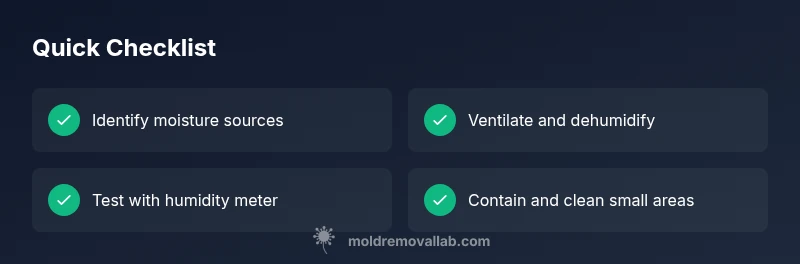
- easyIdentify moisture sources (leaks, condensation) and repair
- easyIncrease ventilation and use dehumidifiers to keep humidity under 50%
- easyContain area, don’t disturb mold, and clean only non-porous surfaces with proper PPE
- mediumIf contamination is extensive or symptoms persist, hire a professional mold remediation service
FAQ
Can mold exposure cause headaches and fatigue in addition to respiratory symptoms?
Yes. Mold exposure can trigger headaches and fatigue, especially in sensitive individuals. Symptoms vary by person and exposure level, and they often appear alongside respiratory symptoms after time in a damp environment.
Yes—headaches and fatigue can be linked to mold exposure, especially with ongoing damp conditions.
What are the most common signs that mold is affecting health?
Common signs include coughing, nasal congestion, throat irritation, eye irritation, wheezing, and fatigue. If symptoms persist or worsen at home, mold exposure is a likely contributor and warrants further investigation.
Coughing, congestion, and fatigue that get worse at home are common signs of mold-related illness.
Should I buy a DIY mold test kit, or hire a professional?
DIY kits can help identify presence of mold but may not accurately determine species or hidden contamination. For persistent symptoms or large infestations, a licensed inspector offers a thorough assessment and a remediation plan.
DIY tests can help, but for serious or ongoing issues, a professional assessment is best.
Is bleach an effective solution for mold cleanup?
Bleach can be ineffective on porous materials and may release harmful fumes in occupied spaces. Use EPA-registered cleaners appropriate for the surface, and consider professional remediation for significant growth.
Bleach isn’t always the best option—use appropriate cleaners and avoid risky DIY methods for large jobs.
When should I call a mold remediation professional?
Call a pro for large areas, porous materials, structural damage, persistent odor, or health symptoms that don’t improve after basic moisture control and cleaning.
Call a professional if the mold covers a large area or if your symptoms don’t improve.
Can mold exposure affect children and pets differently?
Children and pets may be more sensitive to mold exposure. They can experience more pronounced respiratory symptoms and irritation, so early action is important when you have kids or animals at home.
Kids and pets can react more strongly to mold, so act quickly to reduce exposure.
Watch Video
The Essentials
- Identify moisture sources to stop mold growth
- Limit exposure and seek medical advice for persistent symptoms
- Use professional remediation for large infestations
- Maintain indoor humidity below 50% year-round
- Document conditions and health changes to guide action