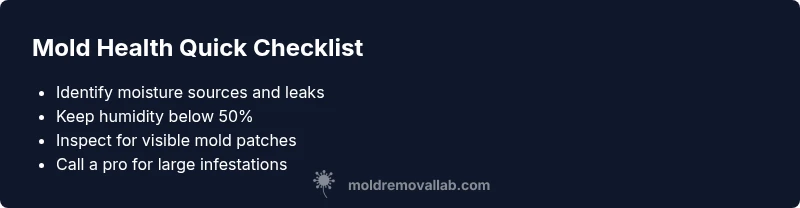
How to know when mold is affecting you: urgent health guidance
Learn urgent, practical steps to recognize mold-related health symptoms, identify moisture causes, and action plans to protect your home and health. Quick checks, professional thresholds, and prevention tips.


If you notice persistent nasal irritation, coughing, headaches, or wheezing that worsens indoors, mold could be affecting you. Common signals include a musty odor, visible patches, and moisture problems. Start by improving ventilation, fixing leaks, and cleaning damp surfaces. If symptoms persist after addressing moisture, consult a healthcare professional and a mold remediation expert.
What mold exposure does to your body
If you're asking how to know when mold is affecting you, start by recognizing that exposure can trigger allergy-like symptoms and respiratory issues in sensitive individuals. The Mold Removal Lab team notes that mold byproducts, spores, and moisture-related conditions can inflame nasal passages, throat, and lungs, leading to coughing, wheezing, and headaches. Skin irritation and fatigue are also common, especially in damp indoor environments. People with asthma or immune suppression may experience more pronounced reactions. Understanding these patterns helps you act quickly to reduce exposure and seek medical care if symptoms linger after moisture control and cleaning efforts. Mold behavior is closely tied to moisture—where water intrusion persists, mold can flourish, releasing spores that provoke symptoms in occupants.
According to Mold Removal Lab, the key to recognizing mold-related health effects starts with observing symptom timing: if symptoms worsen inside the home and improve after you leave, mold exposure is more likely. Keep a simple symptom diary to correlate days with higher humidity or known leaks. This awareness empowers you to pursue targeted moisture control and timely medical advice.
What mold exposure does to your body
If you're asking how to know when mold is affecting you, start by recognizing that exposure can trigger allergy-like symptoms and respiratory issues in sensitive individuals. The Mold Removal Lab team notes that mold byproducts, spores, and moisture-related conditions can inflame nasal passages, throat, and lungs, leading to coughing, wheezing, and headaches. Skin irritation and fatigue are also common, especially in damp indoor environments. People with asthma or immune suppression may experience more pronounced reactions. Understanding these patterns helps you act quickly to reduce exposure and seek medical care if symptoms linger after moisture control and cleaning efforts. Mold behavior is closely tied to moisture—where water intrusion persists, mold can flourish, releasing spores that provoke symptoms in occupants. Keeping a journal of symptom timing helps identify whether indoor moisture is the root cause.
The moisture connection: how to verify a moisture problem
Moisture is the root cause of most indoor mold problems. If you want to know how to identify a moisture issue, start with visible water intrusion, condensation on windows, and damp walls. A hygrometer can reveal relative humidity levels; sustained readings above 50-60% create conducive conditions for mold growth. Look for musty odors, staining, and softening materials behind walls or under sinks, which can signal hidden mold. The Mold Removal Lab analysis emphasizes that moisture control is the most effective preventive measure; reducing humidity and fixing leaks dramatically lowers mold risk. Document moisture patterns during rainy seasons or after plumbing events, then take decisive action to repair the source and dry affected areas promptly.
Safe at-home checks you can do today
Before calling a professional, perform safe at-home checks to assess risk. Inspect areas prone to moisture—kitchens, bathrooms, basements, and around windows—for leaks, pooling water, or damp spots. Use a dehumidifier to bring indoor humidity under 50%, and ensure bathrooms and kitchens vent properly with exhaust fans. Inspect under sinks and around pipes for slow leaks. If you find visible mold growth under 10 square feet and feel confident, you can begin a careful cleaning routine using appropriate protective gear and cleaners; larger patches require professional remediation. Remember, never disturb mold in ways that could release more spores; for large or structural mold, call a licensed professional.
Safety note: wear protective equipment (gloves, NIOSH-approved respirator) and ventilate the area when cleaning small patches, but stop and seek help if you have health concerns or the growth is extensive.
When to seek professional help
Certain situations demand professional assessment. If you notice ongoing moisture intrusion, hidden mold behind walls, widespread growth, or symptoms that persist despite basic mitigation, consult a certified mold remediation specialist. If anyone in the home has asthma, allergies, or a compromised immune system, professional evaluation is essential even for small patches. Also seek guidance if you have experienced water damage or visible mold on more than a 10 square foot area. Professionals can perform mold testing, containment, and remediation to ensure air quality and prevent recurrence. Health care providers should be involved if mold exposure triggers persistent symptoms or severe reactions.
Steps
Estimated time: 2-4 hours
- 1
Assess scope and sources
Walk through each room to identify visible mold, water stains, and moisture hotspots. Note dates of observed leaks or condensation, and take photos for reference. Create a simple plan to address moisture before touching mold.
Tip: Document leaks with dates to track progress. - 2
Contain and isolate the area
Close doors to the affected area and minimize spread of spores. Use plastic sheeting if needed and avoid disturbing growth during initial assessment. Turn off HVAC in the affected zone if safe to do so.
Tip: Prevent cross-contamination by keeping the area sealed. - 3
Reduce moisture and improve airflow
Repair leaks promptly, dry surfaces with towels or fans, and run dehumidifiers. Open windows if outdoor air is dry and safe. Maintain humidity below 50% during cleanup.
Tip: Use a hygrometer to verify humidity targets. - 4
Clean small patches safely
For small, non-porous patches, clean with soap and water and dry completely. For porous materials, consider disposal if growth is extensive. Do not paint over live mold.
Tip: Wear protective gear to minimize exposure. - 5
Plan for professional remediation if needed
If growth is extensive, behind walls, or you have health risks, contact a licensed mold remediation contractor. They’ll perform containment, air filtration, and safe removal with waste handling.
Tip: Health-first: prioritize safety and professional guidance when in doubt.
Diagnosis: Persistent indoor symptoms with no obvious non-mold cause
Possible Causes
- highChronic moisture intrusion (hidden leaks behind walls or ceilings)
- mediumVisible mold growth on surfaces
- lowPoor ventilation and elevated indoor humidity
- lowHVAC system circulating mold spores
Fixes
- easyIdentify moisture source and repair leaks; dry area thoroughly
- easyVentilate and dehumidify to keep humidity below 50%
- mediumClean small patches with appropriate methods; avoid aggressive scrubbing that spreads spores
- hardHire a certified mold remediation contractor for larger growth or health risk
FAQ
What are the most common symptoms of mold exposure?
Mold exposure often causes nasal congestion, sneezing, coughing, itchy eyes, and throat irritation. Some people experience headaches, fatigue, or skin rashes. Symptoms tend to worsen with indoor exposure and improve after leaving the space.
Common symptoms include nasal stuffiness, coughing, and itchy eyes that get better when you’re away from the area.
Can mold exposure lead to long-term health problems?
Prolonged mold exposure can worsen asthma symptoms and allergies in sensitive individuals. Repeated exposure may contribute to ongoing respiratory irritation and fatigue. If health issues persist, seek medical advice and address moisture and remediation promptly.
Long-term exposure can worsen asthma and allergies; persistent symptoms require medical and remediation steps.
How do I tell if mold is growing behind walls?
Look for persistent musty odors, hidden moisture, staining on walls, peeling paint, or soft, crumbling materials. A professional inspection or moisture testing is often needed to confirm behind-wall growth.
A musty smell and moisture stains behind walls usually indicate hidden mold; testing may be required.
When should I see a doctor about mold symptoms?
If symptoms persist beyond a week, worsen with indoor exposure, or you have asthma or immune concerns, see a physician promptly. They can assess for mold-related allergies or infections and advise next steps.
If symptoms last more than a week or you have asthma, see a doctor promptly.
What steps are safe for home mold cleanup?
For small, non-porous areas, clean with soap and water and dry completely. For larger or porous areas, avoid DIY removal and contact a professional. Always address moisture first and use protective gear during cleanup.
Clean small patches with soap and water and dry; larger areas or porous materials need a pro.
Is mold health risk higher for certain people?
People with asthma, allergies, the elderly, and the immunocompromised are more susceptible to mold-related health issues. Reducing indoor moisture and improving ventilation helps protect these groups.
Yes, vulnerable groups are more likely to have health issues from mold exposure.
Watch Video
The Essentials
- Moisture is the root cause of most mold problems.
- Persistent indoor symptoms warrant moisture checks and remediation.
- Call professionals for large infestations or health risks.
- Maintain humidity and ventilation to prevent recurrence.