How to Know If You Have Mold Exposure
Learn how to know if you have mold exposure, recognize symptoms, and start safe remediation steps. Expert guidance from Mold Removal Lab for homeowners and renters.


Most people notice mold exposure through indoor air irritations and allergy-like symptoms that worsen at home and improve elsewhere. The quickest clue is a pattern of symptoms tied to living spaces, plus visible moisture or mold growth. If you’re experiencing persistent coughing, itchy eyes, or headaches, inspect for moisture, test the air, and consider a professional assessment.
What mold exposure means and why it matters
According to Mold Removal Lab, mold exposure happens when mold releases spores and mycotoxins into indoor air, triggering irritations or allergic reactions in some people. The Mold Removal Lab team found that damp environments, overlooked leaks, and poor ventilation synergize to create higher exposure risk. For homeowners, recognizing the link between moisture control and air quality is essential for safeguarding health, especially for children, pets, and people with asthma or allergies. This section explains what to look for and why prompt action matters for long-term comfort and safety.
Common symptoms and red flags you should not ignore
Mold exposure often presents with allergy-like symptoms such as nasal congestion, coughing, sneezing, throat irritation, and itchy or watery eyes. Some people experience headaches, fatigue, or dizziness, and in sensitive individuals, sinus pressure or asthma-like episodes can flare up. Symptoms that worsen indoors and improve after leaving the home are strong clues. If you notice persistent symptoms that align with damp areas—basements, bathrooms, or kitchens—take these signs seriously and investigate moisture sources. Healthy indoor air depends on a clean environment, moisture control, and good ventilation.
How indoor mold exposure is measured and tested
Testing options range from visual inspections and moisture meters to professional air and surface sampling. Basic moisture assessment helps you identify hidden water problems, while air and surface tests reveal the concentration of mold spores and specific species. Based on Mold Removal Lab research (2026), homes with chronic moisture problems tend to report higher symptom burden. When in doubt, start with a professional evaluation that combines moisture mapping, surface swabs, and targeted air tests to determine exposure risk and guide remediation decisions.
Immediate steps you can take to reduce exposure now
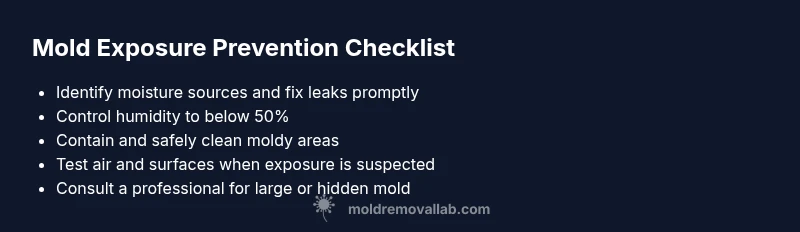
Begin by addressing obvious moisture sources: fix leaks, dry any damp areas promptly, and ensure proper ventilation during showering and cooking. Use dehumidifiers in damp rooms and keep humidity below 50% where feasible. Clean visible mold only after moisture control is in place, using appropriate PPE and containment to prevent spores from spreading. Contain the area to protect other parts of the home and consider temporary relocation if the affected zone is large or heavily infested.
Identify moisture sources and fix leaks to prevent regrowth
Mold thrives where there is standing water or ongoing moisture. Inspect roofs, walls, pipes, and plumbing for leaks and fix promptly. Improve drainage around the foundation and ensure crawl spaces are ventilated. Drying thoroughly after any water intrusion is critical, so act quickly to prevent hidden moisture that can fuel regrowth. Regularly monitor humidity levels and address any condensation on windows or metal surfaces.
When to call professionals and what to expect
Call a licensed mold professional if mold covers a large area, seems hidden behind walls, or symptoms persist despite basic cleaning and moisture control. A pro will perform a comprehensive assessment, create a remediation plan, and ensure safe containment and proper disposal. Expect a documented scope of work, containment barriers, targeted cleaning, and post-remediation verification to confirm the environment is safe.
Steps
Estimated time: 60-90 minutes
- 1
Assess symptoms and moisture signs
Note timing and locations of symptoms; look for damp spots, musty odors, and visible mold. Document areas in need of inspection.
Tip: Take clear photos of moldy areas and moisture sources for reference. - 2
Stop the moisture source
Repair leaks and dry affected areas within 24-48 hours to prevent mold spread. Use fans and dehumidifiers to accelerate drying.
Tip: Do not delay moisture repair; mold can quickly colonize new areas. - 3
Contain the affected area
Seal off doors and vents to prevent spores from spreading to other rooms during cleaning.
Tip: Avoid disturbing mold excessively; instead, minimize disruption. - 4
Test or assess mold exposure
Choose between professional testing or guided visual inspection to determine extent and species. Use a combination of air and surface tests when possible.
Tip: Testing helps tailor remediation to actual exposure risk. - 5
Plan remediation and cleanup
Develop a remediation plan with a licensed professional if contamination is substantial or hidden.
Tip: Ensure proper containment and disposal of contaminated materials. - 6
Prevent recurrence
Address humidity, improve ventilation, and perform routine moisture checks to prevent future mold growth.
Tip: Keep humidity below 50% and fix issues promptly.
Diagnosis: Persistent indoor symptoms such as congestion, coughing, and eye irritation that worsen at home
Possible Causes
- highWater intrusion or plumbing leaks
- highVisible mold growth on surfaces
- mediumPoor ventilation or high humidity
- lowHVAC mold contamination
- lowOutdoor spores infiltrating home
Fixes
- easyFix water leaks and dry affected areas promptly
- mediumRemove visible mold growth safely and within containment guidelines
- easyImprove ventilation and dehumidify to reduce indoor humidity
- hardSchedule professional mold remediation for large or hidden contamination
- mediumClean or replace HVAC components if contaminated
FAQ
What are the most common symptoms of mold exposure?
Symptoms often include nasal congestion, coughing, throat irritation, itchy eyes, and wheezing. They can mimic allergies and may worsen in damp indoor environments.
Common symptoms include congestion, coughing, itchy eyes, and wheezing, often worse in damp spaces.
Can you have mold exposure without visible mold?
Yes. Mold can produce spores even when not visible. Moisture problems and poor ventilation can hide contamination, so testing and moisture assessment are important.
Yes, you can have exposure without visible mold; testing is often needed.
How long does it take to feel better after remediation?
Recovery varies by exposure level and remediation effectiveness. Many people notice improvement within days to weeks after moisture control and mold removal.
Recovery times vary; some feel better in days, others weeks.
Is mold exposure dangerous for children or pets?
Yes. Children and pets can be more sensitive to mold. Minimize exposure and seek medical or veterinary advice if symptoms appear.
Kids and pets can be more vulnerable; watch for symptoms.
Should I test for mold exposure or just clean first?
Cleaning without addressing moisture may allow regrowth. Testing helps determine extent and exposure risk and should guide remediation.
Testing helps guide remediation; cleaning alone isn't enough.
When should I call a professional?
Call a professional if mold covers a large area, is hidden, or symptoms persist despite basic steps.
Call a pro if mold is extensive, hidden, or symptoms stay.
Watch Video
The Essentials
- Identify moisture sources and address them quickly
- Use testing to guide remediation, not guesswork
- Contain and protect others during cleanup
- Plan for prevention to avoid recurrence