Mold is Making Me Sick: A Practical Remediation Guide
Learn why mold is making me sick and how to identify, test, and remediate safely. Practical steps for homeowners and renters to protect health and reduce exposure.


Mold is making me sick when exposure triggers allergy-like or respiratory symptoms, often from damp, poorly ventilated spaces. Immediate steps include reducing exposure, addressing moisture, and seeking medical advice if symptoms persist. This guide shows how to identify sources, test if needed, and follow safe remediation practices.
Understanding Mold and Health Risks
Mold problems in homes go beyond a musty smell. When moisture is present, mold grows and releases spores that can irritate the eyes, nose, throat, and lungs. For some people, especially those with allergies, asthma, or weakened immune systems, exposure can trigger coughing, wheezing, nasal congestion, headaches, or fatigue. The Mold Removal Lab team emphasizes that persistent dampness and hidden mold behind walls are common culprits in many residences. Health effects vary by individual and exposure duration, so early detection matters. If you notice ongoing symptoms in a space with water damage, keep a written log of symptoms and areas that feel damp. This helps clinicians and remediation professionals trace the source and assess risk.
Common Symptoms Linked to Mold Exposure
Symptoms from mold exposure can resemble seasonal allergies or a respiratory infection, yet they may persist as long as exposure continues. Common signs include nasal stuffiness, sneezing, coughing, throat irritation, eye irritation, skin rashes, and headaches. In sensitive individuals, mold exposure can worsen asthma or trigger pneumonia-like symptoms. Mold Removal Lab’s observations show that people living in damp environments often report symptom clusters in the morning after overnight exposure and after activities that stir dust. If symptoms improve when away from the home and return upon return, mold exposure is a plausible factor. Seek medical evaluation if symptoms are severe or persistent.
How Mold Grows and Why It Triggers Illness
Mold requires moisture to thrive. Everyday conditions—high humidity, leaky roofs, condensation on windows, or plumbing gaps—create niches where mold can colonize unseen. Some molds release mycotoxins or irritants that irritate airways and provoke immune responses. The Mold Removal Lab analysis indicates that moisture pockets behind walls and under flooring are frequent hidden sources that fuel growth without obvious signs. Understanding this helps explain why a space may feel worse at certain times (e.g., after a rainstorm) and why simply cleaning visible patches is not enough without moisture control.
Ventilation, Humidity Control, and Air Quality Improvements
Improving air quality reduces mold spores and irritants in the breathing zone. Practical steps include running a dehumidifier to keep indoor humidity below 50-60%, using exhaust fans in kitchens and bathrooms, and improving overall ventilation. A HEPA-filtered vacuum and air purifier can help capture airborne spores, though they do not replace moisture control. Regularly cleaning surfaces with EPA-recommended cleaners and safely disposing of moldy materials minimizes recirculation. As Mold Removal Lab notes, long-term success depends on addressing both the mold and its moisture source, not just the symptoms.
When to Seek Medical Advice
If you experience persistent or worsening symptoms such as shortness of breath, chest tightness, repeated sinus infections, or bronchitis-like symptoms, consult a healthcare professional promptly. Mold exposure can complicate preexisting conditions and immune deficiencies. Documentation of exposure circumstances and symptom onset can aid clinicians and underscored by Mold Removal Lab’s guidance, which emphasizes patient safety and timely assessment. If symptoms are severe or life-threatening (difficulty breathing, dizziness, or confusion), seek emergency care.
Safe Remediation: DIY vs Pro
For small, clearly contained areas (typically under 10 square feet) and non-porous materials, a careful DIY approach with proper PPE and moisture control can be feasible. However, larger areas, porous materials (drywall, insulation, carpet), or extensive growth warrant professional remediation to prevent cross-contamination and ensure thorough drying. The Mold Removal Lab team recommends consulting a certified remediation specialist for significant or recurrent mold growth, as improper cleanup can spread spores and worsen health risks. Always verify that the contractor follows industry standards and uses containment measures.
How Mold Testing Works and What to Expect
Mold testing helps determine whether mold is present, identify its species, and assess the extent of contamination. Tests may include air sampling, surface swabs, or bulk material analysis conducted by accredited labs. Interpretation should consider indoor moisture, occupant sensitivity, and potential health risks. While testing can inform remediation priorities, moisture control and thorough cleaning remain essential. For reliable results, pair testing with a documented moisture plan and professional remediation guidance. See authoritative resources linked below for more details.
Tools & Materials
- N95 respirator(Fit-tested, 95% filtration)
- disposable protective coveralls(Disposable, snug fit)
- nitrile gloves(Chemical-resistant)
- safety goggles(Wraparound preferred)
- HEPA vacuum(HEPA-rated, use for cleanup)
- plastic sheeting(Seal work areas)
- duct tape(For sealing containment)
- moisture meter / hygrometer(Monitor humidity levels)
- dehumidifier(Maintain 30-50% RH)
- EPA-registered mold cleaner(Use per label directions)
- bucket and scrub brushes(For light cleaning)
- disposable trash bags(Tightly seal waste)
- flashlight or headlamp(Inspect dark corners)
Steps
Estimated time: 6-12 hours depending on area size and moisture levels
- 1
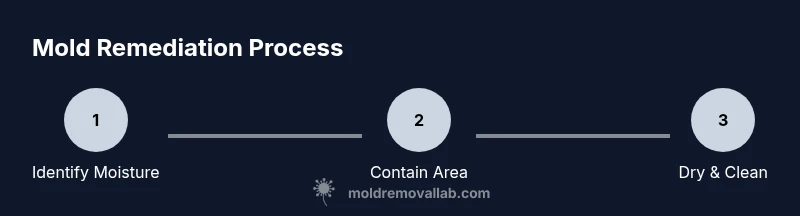
Identify moisture source and stop the leak
Inspect for leaks, condensation zones, or roof/woundation water intrusion. Patch or shut off the water source to prevent ongoing growth. This step reduces ongoing exposure and protects the rest of the home.
Tip: Document areas with water damage and store photos for reference. - 2
Contain the affected area
Seal off the space with plastic sheeting, create a negative or physical barrier, and avoid cross-contamination to cleaner areas. This minimizes the spread of spores during cleanup.
Tip: Keep doors closed; run exhaust fans away from other living spaces. - 3
Dry the space thoroughly
Run a dehumidifier and improve ventilation to lower humidity to under 50%. Repair drying is critical to prevent regrowth after cleanup.
Tip: Use moisture meters to confirm dryness before proceeding. - 4
Remove visible mold growth safely
Gently clean non-porous surfaces with EPA-approved cleaners and a HEPA vacuum. Do not scrub porous materials unless removal is necessary and professional guidance is available.
Tip: Avoid dry sweeping; it stirs spores. - 5
Disinfect and seal cleaned areas
Disinfect surfaces following product instructions. Seal dusty or porous debris in bags for disposal and wash reusable tools with soap and water.
Tip: Dispose of contaminated materials safely and promptly. - 6
Assess need for professional remediation
For large areas, porous materials, or persistent odors, call a certified remediation contractor. Professionals ensure containment, thorough drying, and post-cleanup verification.
Tip: Request a written moisture and remediation plan.
FAQ
Is mold exposure dangerous for everyone?
Mold exposure can affect people differently. Some develop allergy-like symptoms, while others experience more severe respiratory issues, particularly those with asthma or a weakened immune system. If symptoms persist, seek medical advice.
Exposure risk varies; seek medical advice if symptoms persist, especially if you have asthma or immune concerns.
Can I safely clean mold myself?
Small, non-porous areas can sometimes be cleaned by homeowners with proper PPE and moisture control. Large areas or porous materials typically require professional remediation to prevent spread and ensure thorough drying.
Small spots may be cleaned with PPE, but large or porous growth should be handled by a professional.
What should I do about hidden mold behind walls?
Hidden mold requires careful inspection, moisture assessment, and controlled remediation. Visible cleanup without addressing the moisture source often leads to regrowth.
Hidden mold needs moisture control and professional assessment to prevent recurrence.
How long does it take for mold to return after cleaning?
Return depends on moisture and air flow. If the area remains damp, spores may regrow quickly. Thorough drying and moisture control reduce the risk of regrowth.
If moisture isn't controlled, mold can come back quickly after cleaning.
Should I test the air for mold after remediation?
Air testing can help verify reduced spore levels, but it should be paired with moisture control and a clear remediation plan. Not all homes require testing, depending on risk factors.
Air testing can confirm improvements after remediation when paired with moisture control.
When is it essential to hire a professional?
Consider hiring a professional for large areas, porous materials, persistent odors, or ongoing health symptoms related to mold exposure. They have containment, proper cleaning methods, and post-remediation verification.
If in doubt or dealing with large growth, hire a professional.
Watch Video
The Essentials
- Identify and control moisture first.
- Wear proper PPE during cleanup.
- Choose DIY or pro remediation based on area and materials.
- Pair cleanup with moisture management to prevent return.