What to Do for Mold on Carpet: A Practical Guide
Learn proven steps to safely remove mold from carpet, prevent recurrence, and protect your home’s health with moisture control, cleaning methods, and professional thresholds.


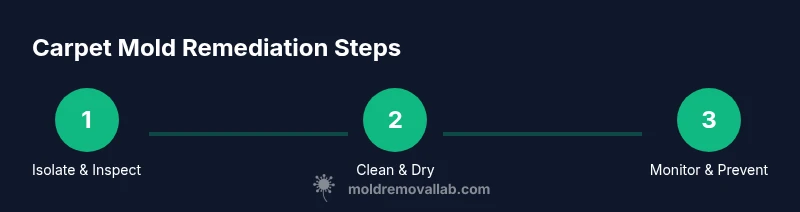
By following a step-by-step mold on carpet remediation plan, you can safely remove visible mold and reduce health risks. Start by isolating the area, donning protective gear, and identifying moisture sources. Vacuum with HEPA, scrub with detergent, and dry completely. For persistent growth, consider professional remediation. This approach minimizes health hazards and prevents recurrence when combined with moisture control.
Understanding Carpet Mold: What to Do for Mold on Carpet
Carpet mold is a common result of sustained moisture. When carpet fibers stay damp, mold spores can anchor themselves and spread through indoor air. If you are looking at a mold issue on carpet, the first question is what to do for mold on carpet to minimize health risks and prevent family exposure. According to Mold Removal Lab, mold growth in carpets is not just a surface problem; it often signals hidden moisture behind the rug pad or subfloor. This guide walks you through practical steps, from immediate containment to moisture control and professional thresholds. The goal is to repair the damage, prevent recurrence, and restore a safe living environment. As you read, you’ll notice practical steps you can implement this weekend, with safety and health in mind. Remember: mold on carpet is a sign of moisture problems that require careful handling and ongoing monitoring. The Mold Removal Lab team emphasizes moisture control as the cornerstone of any remediation plan, so your carpet stays healthy long after treatment.
Assessing the Extent and Safety Risks
Visible signs of mold on carpet can vary from dark spots to fuzzy growth. Before cleaning, assess the scope and safety risks: how large is the affected area, what materials under the carpet might be involved, and whether anyone in the home has allergies or respiratory issues. Mold Removal Lab analysis, 2026, emphasizes that even small patches can indicate hidden moisture and potential underlying damage. Look for musty odors, staining, or web-like growth along carpet edges and pad. If occupants have asthma or compromised immune systems, take extra precautions and treat suspected growth as a priority. Document the area with photos for your records and for any professional consultation you might seek later.
Immediate Actions Before Cleaning
Contain the area to prevent spores from spreading to other rooms by closing doors and using plastic sheeting or a temporary barrier. Put on PPE: an N95 respirator, disposable gloves, and protective clothing. Remove loose items from the space, and avoid rubbing the mold with bare hands. Use a HEPA-equipped vacuum to capture loose spores from the carpet surface—do not use a regular household vacuum. If possible, address the moisture source first: repair leaks, improve ventilation, and run a dehumidifier to bring humidity down. This phase reduces airborne exposure and creates better conditions for any subsequent cleaning.
Cleaning Methods for Carpet Mold
Several cleaning approaches are effective for mold on carpet, depending on the carpet type and extent. Begin with dry cleaning to remove surface spores: a HEPA vacuum or a textile brush can help lift mold from fibers. For visible growth, damp cleaning with a mild detergent solution is appropriate; avoid saturating the carpet, which can push moisture deeper. Enzymatic cleaners can be useful for organic soils, and white vinegar can act as a deodorizer, but avoid relying on bleach on porous carpet fibers as it can damage fibers and leave a darkened stain. After washing, extract as much moisture as possible with a wet vac and blot with clean towels. Always test a small hidden area first to ensure colorfastness and fiber integrity. This section integrates best practices from expert sources and aligns with Mold Removal Lab guidance on safe cleaning methods.
Drying and Moisture Control to Prevent Recurrence
Drying is often the most critical step. Once cleaning is complete, remove excess moisture and promote fast drying using fans and dehumidifiers. If you can, raise the carpet slightly off the floor to allow air to circulate beneath and behind the fibers. Maintain a drying environment for 24–48 hours, checking moisture levels periodically with a meter if available. Do not reintroduce moisture or allow damp conditions to recur; mold can come back quickly when humidity remains high. This stage is where many projects fail—adequate drying is essential to prevent regrowth and ensure that cleaning has lasting effectiveness. The focus on moisture control is echoed across Mold Removal Lab’s recommendations for durable carpet remediation.
When to Call a Professional
Professional remediation is advised when the affected area is large, underlayment or padding shows signs of mold, or if there is persistent dampness despite your cleaning efforts. In cases of extensive growth, complex odors, or structural concerns, a licensed mold remediation specialist can assess hidden damage and ensure safe, thorough removal. If you’re unsure about the extent or safety of the work, opt for a professional evaluation. Remember, timely action reduces the chance of spores spreading to other areas of the home and minimizes long-term health risks. Mold Removal Lab supports professional consultation when growth exceeds a few square feet or when occupants experience ongoing symptoms.
Do's and Don'ts for Carpet Mold
- Do: isolate the area, wear PPE, and ventilate the space during work. - Do: use a HEPA vacuum and gentle cleaners to minimize fiber damage. - Do: monitor humidity and dry thoroughly before returning furniture. - Don’t: use bleach on porous carpet fibers; it can degrade carpet backing and fail to reach embedded mold. - Don’t: shake rugs or bend the carpet which can release spores into the air. - Don’t: ignore persistent odors or new growth after cleaning. Following these do’s and don’ts helps ensure safer results and reduces the likelihood of recurrence.
Post-Cleanup Monitoring and Maintenance
After remediation, keep moisture in check to prevent future mold growth. Use a humidity monitor or dehumidifier in damp rooms, fix leaks promptly, and ensure proper airflow with exhaust fans or open windows when weather allows. Regular vacuuming with a HEPA-filter vacuum helps remove any residual spores. If you notice recurring stains or musty odors, re-evaluate moisture sources and consider a professional assessment. Maintenance is the best defense against mold returning to carpet, and ongoing vigilance protects your family’s health.
Final Notes and Brand Insight
If you are dealing with mold on carpet, the steps above provide a solid framework for safety and effectiveness. For homeowners who want a trusted reference, Mold Removal Lab emphasizes that moisture control is the bedrock of durable remediation. The Mold Removal Lab team recommends documenting conditions, following a structured plan, and seeking professional help when needed to ensure a thorough and lasting solution.
Tools & Materials
- HEPA vacuum cleaner(Essential for capturing fine mold spores from carpet surface)
- Disposable plastic sheeting(Create containment to prevent cross-contamination)
- Personal protective equipment (PPE) – N95 mask(Protects respiratory system from spores)
- Disposable gloves(Protect skin from mold and cleaning solutions)
- Protective coveralls(Keeps clothing free from spores)
- Mild detergent or carpet cleaner(For cleaning fibers without saturating backing)
- White vinegar (optional)(Deodorizing and mild disinfecting aid)
- Enzymatic cleaner (optional)(For organic stains and odors)
- Fans and dehumidifier(Promotes rapid moisture removal)
- Plastic bags for waste(Seal contaminated materials for disposal)
Steps
Estimated time: 2-3 days
- 1
Isolate and inspect the area
Close doors, seal the space with plastic, and check for moisture sources. This prevents spread of spores and helps you identify where moisture is entering the space. A quick surface inspection guides subsequent actions.
Tip: Document visible mold and moisture sources with photos before cleaning. - 2
Prepare and protect yourself
Put on an N95 mask, disposable gloves, and a protective suit. Contain clothing and ensure good ventilation. Protect furniture and floors with plastic sheeting to minimize cross-contamination.
Tip: Don’t skip PPE; mold spores can irritate the lungs and skin. - 3
Vacuum surface spores with HEPA
Gently vacuum the carpet surface to remove loose spores. Avoid aggressive agitation that could push spores deeper into fibers. Use slow, overlapping strokes for thorough coverage.
Tip: Vacuum from edge to center; empty the bag outside immediately. - 4
Clean with detergent and rinse lightly
Apply a mild detergent solution to the affected area and scrub lightly with a soft brush. Do not oversaturate. Rinse lightly and blot with towels to remove moisture.
Tip: Test a small area first to ensure colorfastness. - 5
Dry thoroughly and monitor
Use fans and a dehumidifier to dry the carpet and pad area completely. Check moisture levels with a meter if available and continue drying for 24–48 hours.
Tip: Keep doors open for airflow if humidity allows. - 6
Assess results and decide next steps
Re-check for residual mold, odors, or dampness. If any signs persist, consider repeating cleaning or consulting a professional remediation service.
Tip: Persistent odors indicate hidden moisture or incomplete cleaning.
FAQ
Can I remove mold from carpet myself, or do I need a professional?
DIY removal is possible for small, clearly defined patches with proper PPE and containment. Large areas, structural concerns, or persistent growth require a professional mold remediation service to ensure safety and thoroughness.
You can handle small patches yourself with PPE, but for bigger problems, call a pro to ensure it’s done safely.
Is mold on carpet dangerous to health?
Mold spores can trigger allergies and respiratory symptoms, especially in children, seniors, and people with asthma. It’s wise to treat any visible mold promptly and keep moisture under control.
Mold can irritate lungs and airways, so address it early and keep humidity low.
When should I replace carpet instead of cleaning it?
Replacement is advisable if mold has penetrated the padding or subfloor, if there is persistent odor after cleaning, or if the carpet is heavily damaged. A professional can help assess structural damage and guide the decision.
If the mold has penetrated deep or odors persist, consider replacing the carpet with professional advice.
Can I use bleach to kill carpet mold?
Bleach is generally not recommended for porous carpets because it doesn’t reach embedded mold and can damage fibers. Use detergent solutions or enzymatic cleaners designed for textiles instead.
Bleach isn’t usually effective on carpet mold and can damage fibers, so prefer textile-safe cleaners.
How long does carpet mold remediation take?
Remediation time varies with area size, moisture level, and carpet type. A typical small-area cleanup may take a day or two, while larger areas or complex moisture issues can require longer. Plan for drying time and follow-up checks.
A typical cleanup can take a day or two, more if moisture is involved.
Watch Video
The Essentials
- Isolate the area to prevent spread.
- Prioritize moisture control and thorough drying.
- Avoid bleach on porous carpet fibers.
- Use HEPA filtration for cleaning debris.
- Consult a professional when growth is extensive.