Remove Mold in House: A Practical Step-by-Step Guide
Learn practical, safe steps to remove mold in house, protect your health, and prevent recurrence with moisture control and proper cleaning. This guide by Mold Removal Lab covers PPE, containment, cleaning methods, drying, and prevention.


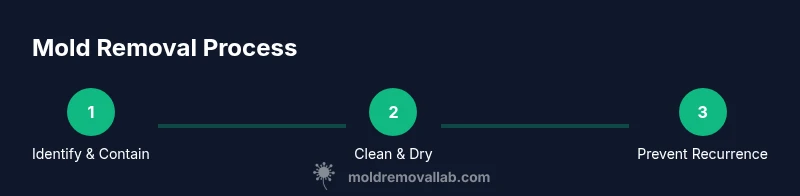
Your goal is to remove mold in house safely and prevent recurrence. This quick answer outlines the core steps: identify the problem area, gather PPE and EPA-registered cleaners, contain the space to stop spread, scrub surfaces with appropriate products, dry thoroughly with fans or dehumidifiers, and implement preventive measures like moisture control and regular inspections.
What mold is and why it matters
Mold in homes is more than a cosmetic issue; it can affect indoor air quality, trigger allergies, and indicate moisture problems behind walls. The goal when you remove mold in house is not just to wipe a surface but to fix the underlying moisture source and prevent return. According to Mold Removal Lab, effective remediation starts with accurate assessment, appropriate PPE, and careful containment to limit spread. In this section we’ll unpack what mold is, how it grows, and why moisture control is the foundation of any successful cleanup. Understanding the basics helps homeowners decide when DIY is appropriate and when to call a professional. Most molds reproduce by releasing spores that travel through the air; these spores can cause irritation when inhaled in closed spaces. If you see visible mold growth or smell a musty odor, it’s a clear sign to take action. The safest approach begins with a plan: locate the moisture source, isolate the area if possible, and prepare for a careful cleaning that minimizes cross-contamination. Remember that mold problems rarely resolve on their own; untreated moisture leads to ongoing growth and potential structural damage. The Mold Removal Lab team recommends keeping a calm, methodical pace to avoid spreading contamination as you work.
Safety and PPE: protect yourself first
Safety is non-negotiable when removing mold in house. Start by selecting proper personal protective equipment (PPE): a well-fitting N95 respirator or better, chemical goggles, gloves (nitrile or neoprene), and long sleeves. If you have asthma or mold sensitivity, upgrade protection and consider professional help. Before you begin, inspect the area for any obvious hazards such as loose electrical fixtures or structural damage and turn off nearby HVAC or fans to minimize air movement that could spread spores. Weather and ventilation play a role; work when outdoor conditions favor drying (calm, dry days help). Family members, especially children and pets, should stay clear of the work zone. After you have your PPE ready, test fit the respirator to ensure a secure seal, and perform a quick freshness check on your gloves and goggles. The goal is to stay healthy while you remove visible growth and reduce exposure during cleanup. The Mold Removal Lab guidance emphasizes that PPE isn’t optional—it’s your first line of defense against airborne spores and irritants.
Containment and monitoring: stop spread
Containment is essential to prevent cross-contamination from mold spores to other parts of your home. Seal the work area with heavy plastic sheeting at doors and any gaps, using tape rated for long-term use. If possible, close off HVAC vents to the space and run a portable HEPA-filtered air purifier in adjacent rooms to improve air quality. Establish a basic negative-pressure approach: keep less clean air moving into but not out of the work zone. Set up a simple moisture and humidity monitor to track progress; aim to keep the affected area dry and ventilated during and after cleaning. Periodically inspect behind baseboards or near walls for any signs that mold is migrating beyond the visible area. Remember, the objective is not only to remove visible growth but to prevent spores from spreading to clean areas of the home. Mold Removal Lab notes that proper containment reduces cleanup time and lowers the risk of recontamination.
Cleaning methods by surface type
Surface type dictates the cleaning approach. For non-porous surfaces (glass, metal, sealed tiles), start with a damp wipe to remove surface dirt, then scrub with an EPA-registered mold cleaner or a mild soap solution. Rinse and dry thoroughly. For semi-porous materials like drywall or plaster, you may need to cut away the affected sections if the mold has penetrated deeply, as these materials can retain moisture and harbor unseen growth. Porous fabrics (carpeting, upholstery, insulation) often require removal and disposal to prevent recurrence. In all cases, avoid scrubbing aggressively on fragile surfaces to prevent damage that can create new moisture reservoirs. Bleach-based cleaners can be effective on non-porous surfaces, but never mix cleaners or use bleach on porous materials without guidance. If you’re unsure about the surface, test a small, inconspicuous area first. Mold Removal Lab’s recommendations emphasize treating mold as a moisture problem first, then applying the appropriate cleaning method for the material you’re dealing with.
Drying, repairs, and prevention for the long term
Drying is a critical phase after cleaning. Use fans and dehumidifiers to promote air movement and reduce humidity as quickly as possible; ensure the area reaches a stable, lower humidity level before sealing the space. Repair any underlying moisture sources—leaks, roof damage, or plumbing issues—before mold returns. When you finish, replace degraded materials with moisture-resistant options where possible, and consider surface coatings or sealants that inhibit moisture ingress. Ongoing maintenance matters: inspect for hidden moisture after heavy rain, reevaluate ventilation, and monitor humidity in high-risk rooms (bathrooms, basements, kitchens). The goal is to create environments where mold struggles to reestablish itself. Mold Removal Lab’s approach highlights moisture control as the most reliable long-term prevention strategy, paired with regular checks and prompt action at the first sign of dampness or odor.
When to call a professional and next steps
Some mold problems are beyond DIY scope. If the affected area exceeds about a few square feet, if mold is growing behind walls, or if you suspect black mold or extensive water damage, contact a licensed professional. They can perform a proper assessment, use specialized equipment, and safely remove mold from hidden spaces. Document the findings and any moisture sources you’ve repaired so you can track progress and prevent recurrence. After remediation, implement a home moisture plan: fix leaks promptly, ensure proper ventilation, and keep humidity levels in check with dehumidifiers or ventilation fans. For larger homes or complex scenarios, Mold Removal Lab recommends seeking professional remediation to ensure thorough removal and to protect your health and home from future mold growth.
Tools & Materials
- N95 respirator mask(Fit-tested if possible; replace if damaged)
- Protective gloves(Nitrile or neoprene; avoid latex if sensitive)
- Goggles or face shield(Wraparound for full eye protection)
- Disposable coveralls or long-sleeve clothing(Launder after use; dispose if contaminated)
- Plastic sheeting (6 mil or heavier)(Seal doors/windows; create containment barriers)
- Painter's tape or duct tape(Secure plastic and create clean edges)
- EPA-registered mold cleaner or soap solution(Follow label instructions; avoid mixing chemicals)
- Spray bottle or bucket(For cleaner or water when rinsing)
- Non-abrasive scrub brushes or sponges(Gentle to preserve surface integrity)
- HEPA-filtered vacuum or shop vacuum(Optional but helpful for heavy debris)
- Drying equipment (fans and dehumidifier)(Promotes rapid moisture removal)
- Moisture meter or hygrometer(Track humidity in the work area)
- Trash bags labeled for contaminated waste(Seal and dispose according to local guidelines)
Steps
Estimated time: Varies by area; several hours for small rooms, longer for larger or multi-room infestations.
- 1
Identify the affected area
Begin with a clear assessment of visible mold and any hidden moisture sources. Note the extent and type of surfaces involved, and map out a containment zone to minimize spread. This ensures you understand the scope before you start cleaning.
Tip: Document moisture sources (leaks, condensation) to address root cause alongside cleanup. - 2
Prepare containment and safety setup
Put up plastic sheeting to seal the space and reduce cross-contamination. Turn off HVAC to avoid circulating spores. Don PPE and prepare your cleaning supplies before you remove any material.
Tip: Double-check plastic seams and avoid gaps where dust could travel. - 3
Isolate and remove porous material if needed
If porous materials are heavily contaminated (drywall, carpet), consider removal and disposal to prevent regrowth. Save non-porous materials if feasible and clean thoroughly.
Tip: Place removed materials in sealed bags and dispose of per local guidelines. - 4
Clean hard surfaces with appropriate cleaner
Apply EPA-registered cleaner or soap solution to non-porous areas; scrub to remove spores and residue, then rinse and dry completely. Avoid mixing cleaners and always ventilate.
Tip: Use a circular motion and allow time for the cleaner to work before rinsing. - 5
Dry the area thoroughly
Use fans and a dehumidifier to drive moisture out of the space. Monitor humidity and ensure surfaces feel dry to the touch before concluding cleanup.
Tip: Keep air moving for at least 24–48 hours after cleaning to prevent rebound growth. - 6
Inspect for hidden moisture and sanitize tools
Check behind baseboards, under sinks, and inside cavities for residual dampness. Clean and store tools properly to avoid reintroducing mold spores.
Tip: Recheck after a few days of dry conditions to catch any lingering damp spots. - 7
Address moisture sources and ventilation
Fix leaks, improve ventilation, and consider a dehumidification plan to maintain low humidity. This step is critical to prevent recurrence.
Tip: Install or upgrade exhaust fans in bathrooms and kitchens and keep doors open during dry-outs when appropriate. - 8
Plan ongoing monitoring and follow-up
Schedule periodic checks for dampness and musty odors, especially after heavy rain or high humidity periods. Replace any materials as needed and reinforce moisture controls.
Tip: Keep a simple mold-remediation log to track signs and actions over time.
FAQ
Is it safe to remove mold in house myself?
DIY removal can be safe for small, clearly defined areas and non-extensive growth. If the affected area is larger than a few square feet, involves porous materials, or you suspect toxic mold, consider professional remediation. Always follow safety guidelines and PPE recommendations.
DIY removal is okay for small, well-defined areas, but call a professional for larger infestations or unknown mold types.
What supplies do I need to remove mold in house?
You’ll need PPE (N95 mask, gloves, goggles), plastic sheeting, tape, EPA-registered mold cleaner, brushes or sponges, a bucket, and drying equipment like a dehumidifier or fans. Use a HEPA vacuum for debris where appropriate.
Have PPE, containment, cleaners, and drying equipment ready before starting.
Can mold return after cleaning?
Yes, if moisture is not controlled. Mold thrives in damp environments; after cleanup, fix leaks, improve ventilation, and monitor humidity to reduce the chance of recurrence.
If moisture isn’t controlled, mold can return even after cleaning.
When should I call a professional?
Call a professional for large infestations, mold behind walls, hidden mold, or if you’re unsure about the extent. A licensed remediator can assess, contain, and clean safely.
Seek professional help for hidden mold or large areas.
Is bleach effective for all mold types?
Bleach works on non-porous surfaces but is not ideal for porous materials. It can also release fumes if not used properly. Use it only as recommended on the label and on appropriate surfaces.
Bleach can help on hard non-porous surfaces; avoid porous materials.
How long does drying take after cleanup?
Drying times vary with space size and ventilation. Use fans and a dehumidifier to speed things up, and recheck moisture before sealing the area.
Drying can take hours to days depending on airflow and humidity.
The Essentials
- Identify and control moisture before cleaning.
- Use PPE and containment to protect health and space.
- Dry thoroughly; moisture control is long-term prevention.
- Know when to call a professional for hidden or extensive mold.