Black Mold Carpet: Safe Removal Guide for Homes 2026
Learn how to safely identify, treat, and prevent black mold on carpet with practical steps, PPE, drying techniques, and restoration options from Mold Removal Lab.


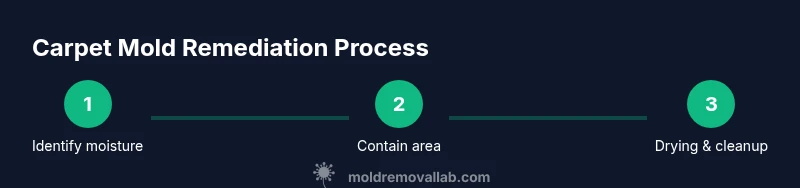
This guide shows you how to safely address black mold on carpet, from immediate safety steps to removal methods, thorough drying, and decision points on replacement. Gather PPE, plastic sheeting, carpet cleaner, a dehumidifier, a vacuum with a HEPA filter if possible, and towels. You’ll learn practical steps that minimize exposure and prevent future growth.
What is black mold on carpet?
Black mold on carpet is a common indoor moisture problem that appears as dark, often fuzzy patches or splotches. It can develop after spills that aren’t fully dried, or in areas with high humidity and poor airflow. While there are many molds that appear black, the type commonly found on carpets tends to thrive on porous surfaces where moisture can persist. It’s important to treat this seriously because mold spores can become air-borne and affect indoor air quality. According to Mold Removal Lab, proper handling reduces exposure and helps prevent spread to other areas of the home. This section explains how to recognize typical signs, differentiate surface stains from actual growth, and understand why carpets are particularly vulnerable when moisture is present. By paying attention to odors and visible discoloration, you can determine when to proceed with cleaning, containment, and drying steps rather than delaying action. This knowledge helps homeowners act quickly, safely, and effectively to protect family health and preserve the home.
Health impacts and vulnerable groups
Black mold exposure can affect individuals differently. People with asthma, allergies, or compromised immune systems may notice more intense reactions, such as coughing, sneezing, throat irritation, or headaches. Infants, young children, and the elderly can be more sensitive to mold in the environment. While not every mold exposure causes symptoms, it’s prudent to treat any visible carpet mold as a potential hazard and address it promptly. Mold spores can linger in dust and on clothing, so reducing airborne spores during cleanup is important. Mold Removal Lab’s analysis indicates that moisture intrusion and poor air circulation are common drivers of carpet-associated mold in homes. Understanding these factors helps homeowners plan better moisture control, faster cleanup, and ongoing prevention measures to keep households healthier.
"## Safety first: PPE and containment
Before you touch any moldy carpet, establish a safe cleanup zone. Wear a durable pair of gloves, an N95 mask or higher, protective eyewear, and, if possible, disposable coveralls. Use plastic sheeting to seal off the affected area and prevent spores from spreading to adjacent rooms. Close doors and seal gaps at the threshold with tape. Removing the source of ongoing moisture—like a slow leak or persistent humidity—will improve the odds of a complete remediation. If there is standing water, address it with appropriate pumps or towels first, then proceed with cleaning after moisture levels begin to drop. These steps help minimize exposure and protect household members, especially children and pets.
Assessing moisture and source: where to start
Start by locating the moisture source behind or under the carpet, such as a leak, condensation, or damp subfloor. Use a moisture meter if available and check areas around walls and under furniture. Maintain a stable environment with humidity levels ideally below 50% (the exact target may vary by climate). Document the extent of visible mold and moisture to guide your cleanup plan and to determine whether professional remediation is warranted. Environmental moisture control is the cornerstone of a successful remediation, reducing the chance of regrowth after cleaning and drying.
Cleaning options: DIY methods and professional thresholds
Small, isolated patches on a dry carpet often respond to careful surface cleaning with mild detergent and water. Avoid over-wetting the carpet, which can push moisture deeper into the backing and padding where mold can continue to grow. Some homeowners use natural cleaners like white vinegar or hydrogen peroxide as spot treatments, followed by thorough rinsing and drying. It’s important to never mix cleaners, especially bleach with ammonia or acids, as this can release harmful gases. For larger areas or visible growth on the underlay, professional mildew remediation or carpet replacement may be necessary. A footnote here: bleach is not generally recommended for porous materials like carpet because it may not fully reach mold growing within fibers and backing. Always follow labeling instructions and consider the carpet’s age and padding when deciding on cleaning versus replacement.
Drying, deodorizing, and odor control
Moisture removal is essential to stop mold from returning. Use a high-capacity dehumidifier and fans to circulate air across the carpet surface and the subfloor. Aim for a thorough dry-out; dampness that lingers can promote regrowth. After drying, deodorize with baking soda or a carpet-safe odor absorber and vacuum once the area is completely dry. If odors persist, it may indicate residual moisture trapped in padding or underlayment, in which case professional assessment is advised. Consistent airflow and humidity control are your best defense against recurrence.
When to replace the carpet and safer alternatives
If mold growth has penetrated deeply into the carpet fibers, backing, or padding, replacement is often the safest option. Visible staining that reappears after cleaning is another red flag. Consider installing mold-resistant padding and selecting materials with better moisture tolerance in high-humidity areas such as basements or bathrooms. For renters, coordinate with the landlord or property manager to follow mold remediation protocols and ensure proper documentation. Replacement not only eliminates visible mold but reduces the chance of continued moisture problems that can affect indoor air quality and health.
Preventing future mold growth in carpets: long-term strategies
Prevention starts with moisture control and good airflow. Address leaks immediately, fix drainage issues around the building, and improve ventilation in humid rooms. Regularly inspect carpets in high-moisture areas and consider using area rugs on top of moisture-resistant underlayments where appropriate. Routine cleaning with mold-preventive carpet cleaners and periodic professional inspections can help catch early signs of mold growth. Keeping indoor humidity around 40-50% where feasible reduces the likelihood of mold establishing itself in carpet fibers.
Hiring professionals and insurance considerations
If mold covers a large area (for example, more than a few square feet) or you notice persistent moisture problems after cleanup, it’s wise to contact a licensed mold remediation professional. Professionals bring equipment such as HEPA vacuums, moisture meters, and specialized cleaners that can safely remove mold from carpet and substructures. If you have homeowner’s or renter’s insurance, document the moisture problem, cleanup steps taken, and any professional assessments. Many policies provide coverage for mold remediation following a covered peril, but coverage varies—check your policy and consult your insurer for guidance on filing a claim.
"## Quick safety checklist for moldy carpet remediation
- Put on PPE before touching the area.
- Isolate and ventilate the space.
- Identify and fix the moisture source.
- Clean with appropriate methods; avoid mixing cleaners.
- Dry completely; assess padding and underlayment.
- Decide between cleaning or replacing based on extent.
- Document everything for insurance and future prevention.
Tools & Materials
- Personal protective equipment (PPE)(N95 or higher mask, gloves, goggles, disposable coveralls)
- Plastic sheeting and tape(Seal off the area to prevent spore spread)
- HEPA-filter vacuum (optional but recommended)(For dry cleanup of loose spores)
- Mild detergent or carpet-safe cleaner(Follow label directions; avoid bleach on porous carpet)
- White vinegar or hydrogen peroxide (optional spot treatments)(Use separately; do not mix with other cleaners)
- Spray bottle, bucket, and clean cloths(For application and blotting)
- Two dehumidifiers or high-capacity fans(Promote rapid drying of carpet and padding)
- Moisture meter (optional)(To verify drying level in subfloor and backing)
- Baking soda or odor absorbers(For deodorizing after drying)
- Trash bags and spare towels(For disposal of contaminated materials in sealed bags)
Steps
Estimated time: 6-24 hours (dependent on moisture level, square footage, and padding condition)
- 1
Put on PPE and isolate area
Wear an N95 mask, gloves, eye protection, and coveralls. Close off the room and seal doors to prevent spores from traveling to other areas. This minimizes exposure and helps containment.
Tip: If you see standing water, address it first before cleaning. - 2
Identify moisture source
Locate the moisture source behind or under the carpet, and fix the leak or humidity issue if possible. Without moisture control, mold is likely to reappear after cleanup.
Tip: Document the source and keep notes for future reference. - 3
Dry cleanup of loose spores
If you have a HEPA vacuum, carefully vacuum the carpet surface to remove loose spores before applying cleaners. Do not saturate the carpet during vacuuming.
Tip: Vacuum slowly in multiple passes to reduce dust dispersion. - 4
Spot-clean affected areas
Apply a mild detergent solution or carpet-safe cleaner to the moldy spots. Gently blot; avoid aggressive scrubbing which can spread spores deeper into fibers.
Tip: Test a small area first to ensure colorfastness. - 5
Hydrogen peroxide or vinegar treatment
Use white vinegar for a light treatment or hydrogen peroxide on tough patches, applying sparingly to the affected fibers. Allow to sit briefly, then blot with clean towels.
Tip: Do not mix cleaners; apply each product separately. - 6
Rinse and blot dry
Rinse the area with clean water if needed and blot to remove excess moisture. Avoid soaking the carpet; over-wetting can push moisture into padding.
Tip: Use white towels and press firmly to wick moisture away. - 7
Begin thorough drying
Run dehumidifiers and fans to dry the carpet surface and subfloor. Maintain airflow for 6-12 hours or until moisture readings indicate dry conditions.
Tip: Keep doors and windows closed if humidity is high outdoors. - 8
Deodorize and inspect padding
After drying, sprinkle baking soda and let sit for several hours before vacuuming. Check underlayment and padding for persistent dampness or odor that might require replacement.
Tip: If odor persists, schedule a professional assessment. - 9
Decide on replacement vs remediation
If mold covers extensive areas or has penetrated the padding, replacement is often the safer option. For suspected subfloor mold, consult a pro.
Tip: Document decisions for future claims or maintenance planning.
FAQ
Is black mold on carpet dangerous to health?
Yes, especially for individuals with allergies, asthma, or immune issues. Mold exposure can cause respiratory symptoms and irritation. If you notice persistent symptoms, seek medical advice and address the moisture problem.
Yes, especially for those with asthma or allergies. If symptoms persist, fix the moisture and seek medical guidance.
Can I safely remove black mold from carpet myself?
Small, isolated patches may be cleaned with caution using approved cleaners and proper drying. Large areas or mold in padding usually requires professional remediation or replacement to ensure safety.
You can handle small, isolated spots with care, but large areas or mold in padding should be left to pros.
Should I use bleach to treat mold on carpet?
Bleach is generally not recommended for porous materials like carpet because it doesn’t reach embedded mold and can create harmful fumes. Use carpet-safe cleansers and follow label directions.
Bleach is usually not advised for carpet mold; use carpet-safe cleaners instead.
How long does it take to dry carpet after cleanup?
Drying time varies with humidity and padding. Expect several hours to a full day with proper dehumidification and airflow, and longer if padding was wet.
Drying often takes several hours up to a day, depending on moisture and airflow.
When should I replace carpet instead of cleaning?
Replacement is recommended if mold has penetrated padding or backing, or if repeated cleanings fail to prevent regrowth. In some cases, mold remediation of the subfloor may be needed beforehand.
If mold has penetrated padding or keeps returning, replacement is usually best.
Can mold on carpet be prevented long-term?
Yes. Control moisture, improve ventilation, fix leaks promptly, and schedule regular inspections in humid areas. Use mold-resistant underlayments when possible and dry spills quickly.
Yes. Stop moisture, ventilate well, and inspect regularly to prevent mold.
Watch Video
The Essentials
- Identify and stop moisture sources quickly
- Use PPE and containment to minimize exposure
- Avoid over-wetting carpet; dry completely to prevent regrowth
- Decide between cleaning and replacement based on extent
- Prevent future mold with moisture control and ventilation