Yellow Mold Bathroom: Safe Removal and Prevention
Learn how to safely identify, clean, and prevent yellow mold in bathrooms. This practical guide covers PPE, moisture control, step-by-step remediation, and strategies to prevent recurrence for a healthier home.


This guide shows you how to safely identify, treat, and prevent yellow mold in a bathroom. You’ll start with safety checks, gather essential supplies, and follow a step‑by‑step remediation plan designed for moisture‑rich spaces. By the end, you’ll know when to DIY or call a professional.
What yellow mold in a bathroom is and why it appears
Yellow mold in a bathroom is a common name for a mold species that thrives in damp, warm environments. It often shows up as yellow-green or golden patches on grout, caulk, tile edges, and behind shower walls. The color can vary by species and moisture levels, but the underlying driver is consistent: moisture. In many homes, yellow mold originates from excess humidity, poor ventilation, and latent leaks. Bathrooms are especially prone because hot showers create steam and frequent splashes keep surfaces wet. Regular cleaning helps manage light growth, but persistent patches indicate a moisture problem that needs addressing. For homeowners and renters, early identification helps prevent spreading to walls, wallpaper, or fabric nearby. If you are documenting a mold issue for a landlord or insurance, take clear photos and note humidity readings to support a remediation plan in writing.
In the context of this guide, we focus on practical, safe steps that reduce exposure and stop recurrence, while keeping you informed about when professional remediation is warranted. The Mold Removal Lab team emphasizes that every bathroom mold situation is tied to moisture control, surface integrity, and timely action.
Safety first: PPE and hazard awareness
Before you touch any mold growth, protect yourself with proper PPE and a safe workspace. Wear nitrile gloves, safety goggles, and a respirator mask (at least N95) to minimize inhalation of mold spores. Keep children and pets away from the area, and wear clothing you can launder or discard if it becomes contaminated. Ensure good ventilation—open a window or turn on an exhaust fan, and place a box fan blowing out of the room if available. Do not mix cleaning agents; never combine bleach with ammonia or acids, as this can release toxic gases. If you have allergies or asthma, consider stepping out during cleaning and handling mold in stages. The goal is to lower exposure risk while you address the moisture source feeding yellow mold. The Mold Removal Lab team notes that PPE and ventilation dramatically reduce the chance of symptom flare-ups during remediation.
In all cases, plan a safe cleanup sequence: ventilate, isolate the area to prevent spores from spreading, and keep cleanup materials contained in a single room bag.
Inspect moisture sources and mold growth patterns
Effective remediation starts with a thorough moisture assessment. Look for leaks from pipes, shower pans, or cracked grout and caulk. Check for condensation on walls, roof leaks, or hidden water intrusion behind tiles. A simple hygrometer can help you gauge relative humidity; aim to keep indoor humidity below 50-60% to slow mold growth. Note the extent of the growth: is it isolated to the tile grout, or has it penetrated porous materials like drywall behind the wall? Yellow mold that appears in patches around a shower stall often signals a chronic moisture source rather than a one-time spill. Document findings with photos and sketch the area for reference when you plan repairs. The Mold Removal Lab approach emphasizes tracing the moisture path first, then prioritizing fix work to prevent re-growth.
DIY remediation: cleaning strategies for yellow mold bathroom
For many small, surface-level growths, a DIY approach can be effective if you follow careful steps and protect your health. Start with a detergent or a mild household cleaner to remove surface dirt, then apply a mold‑fighting solution. Options include white distilled vinegar (undiluted) or hydrogen peroxide (3%), applied to the affected surfaces and left to sit briefly before scrubbing with a stiff-bristle brush. Rinse thoroughly with clean water and dry the area completely using towels and a fan. Avoid porous materials that can harbor hidden mold, and replace caulk or grout if the growth has penetrated beyond the surface. After cleaning, recheck the area within 24-48 hours to ensure no regrowth. The Mold Removal Lab notes that patience and full drying are essential to prevent rebound growth.
On glossy tile surfaces and cleanable areas, a bleach solution can be used with caution, but never mix with ammonia. For many households, a combination of detergent, vinegar, and thorough drying is sufficient; reserve harsher methods for persistent cases under professional guidance. Use caution with mold on soft materials like wallpaper or fabric—these often require removal and replacement rather than cleaning.
When to use stronger cleaners or seek professional help
If the yellow mold covers more than 10 square feet or has penetrated porous materials such as drywall, gypsum board, or insulation, professional remediation is advised. If you notice a strong musty odor or recurrent growth after cleaning, it likely means a moisture source remains uncontrolled. Similarly, if you have a mold allergy or asthma, or if you encounter black or multi-colored growth, stop DIY work and contact a licensed professional. The Mold Removal Lab recommends seeking professional help for any large-scale, persistent, or structurally risky mold problems, as improper remediation can worsen outcomes or mask hidden damage.
In cases of uncertainty, schedule a quick assessment with a local mold specialist or your building manager. Remediation professionals can use containment barriers, HEPA vacuums, and more advanced techniques to ensure thorough removal and safer air quality.
Long-term prevention to stop yellow mold in the bathroom
Prevention is the best strategy when addressing yellow mold. Start with moisture control: fix leaks promptly, repair roof and plumbing, and ensure the bathroom fan runs during and after showers. Keep humidity low by running a dehumidifier or high-capacity fan, especially in rooms without exterior ventilation. Seal cracks in grout and caulk seams to reduce water ingress. Choose mold-resistant paints for painted surfaces and rinse away soap scum and residue that can feed mold growth. Establish a routine cleaning schedule focusing on grout lines, shower doors, and caulked corners. Finally, consider routine checks for hidden moisture behind tiles, and use a moisture meter to catch rising humidity before mold returns. The Mold Removal Lab stresses that consistent maintenance is the foundation of a mold-free bathroom environment.
Step-by-step remediation plan overview
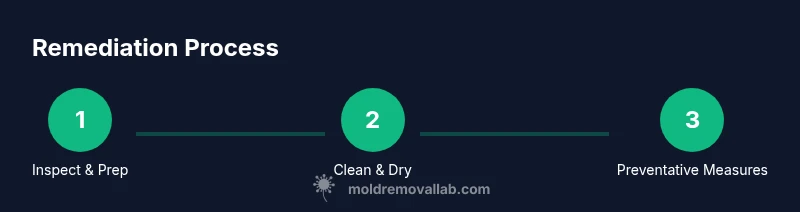
A well-defined remediation plan helps homeowners tackle yellow mold in a bathroom with confidence. Start by confirming moisture sources and safety gear, then isolate the area and prepare cleaning supplies. Apply a tested cleaner, scrub gently but thoroughly, rinse, and dry completely. After cleaning, repair leaks or damaged grout and re-seal joints to block future water intrusion. Finally, implement ongoing prevention measures, including ventilation improvements and regular inspections. The plan emphasizes documenting progress with photos and notes to track improvements over time. This section is a practical summary to align with the more detailed STEP-BY-STEP section that follows.
Common misconceptions and myths about bathroom mold
Many people believe all bathroom mold is dangerous and requires aggressive chemical treatments. In reality, yellow mold in a bathroom is often manageable with basic cleaning and moisture control when properly executed. Another myth is that bleach can instantly eliminate mold and that cleaning once will suffice. Mold can hide in tiny pores, behind wall coverings, or under grout; visible patches may only be the tip of the iceberg. A third misconception is that mold remediation is a one-time event. In truth, ongoing humidity control and periodic inspections are essential to prevent re-growth. The Mold Removal Lab encourages homeowners to separate fact from fear, focusing on proven steps for moisture control and surface cleaning.
Quick checks after remediation (follow-up)
After completing remediation steps, schedule a follow-up inspection within 24-72 hours to confirm that no regrowth is occurring. Recheck humidity levels and ensure there is no lingering moisture behind tiles or in hidden spaces. Re-seal grout and caulk if the area shows any signs of moisture after cleaning. Keep an eye on the previously affected zones for several weeks, noting any new patches or changes in color. The Mold Removal Lab recommends maintaining a log of humidity readings and cleaning dates to track progress and prevent future outbreaks.
Documentation and communication with landlords or insurers
When addressing yellow mold bathroom issues in rental properties, document every step of the remediation process with dated photos and notes about humidity and structural conditions. Communicate findings clearly to the landlord or property manager, including any required repairs or improvements (such as vent upgrades or leak fixes). If you need insurance coverage for mold remediation, gather receipts, mold assessment reports, and photos showing the affected area before and after cleanup. The Mold Removal Lab emphasizes that thorough documentation helps support remediation decisions and can speed up claims or approvals when needed.
Tools & Materials
- Nitrile gloves(Disposable, chemical resistant)
- Protective goggles(Clear, snug fit)
- N95 respirator(Or P100 for dusty environments)
- Disposable wipes or rags(For containment and disposal)
- Spray bottle(Label for cleaners)
- Bucket(For dilution and rinsing)
- Stiff-bristle brush(For grout and tile edges)
- Mild detergent(Dish soap or bathroom cleaner)
- White distilled vinegar (5%)(Natural antimicrobial option)
- Hydrogen peroxide 3%(Alternative sanitizing option)
- Bleach (sodium hypochlorite) 5-6%(Use with caution; never mixed with ammonia)
- Caulk or grout sealer(Replace compromised materials)
- Moisture meter(Tracks humidity levels)
- Dehumidifier or fan(Assist drying and airflow)
Steps
Estimated time: 90-120 minutes
- 1
Put on PPE and prepare workspace
Don your nitrile gloves, goggles, and a respirator. Clear the area, move belongings to a safe spot, and lay down a drop cloth or towels to catch any drips. This prepares you for a clean, contained cleanup and minimizes contamination of other areas.
Tip: Check that ventilation paths are open; include a window or exhaust fan to improve airflow. - 2
Ventilate and isolate the area
Open nearby windows and run the bathroom exhaust fan to reduce airborne spores. Close the door and seal off adjacent rooms with plastic sheeting if possible to limit cross-contamination.
Tip: If you have a HEPA air purifier, run it in the adjacent room to protect other living spaces. - 3
Apply cleaner to affected surfaces
Apply a chosen cleaner (detergent, vinegar, or hydrogen peroxide) to the moldy area. Allow it to sit for 5-10 minutes to soften the biofilm before scrubbing.
Tip: Do not mix cleaners; wear the respirator and goggles during this step. - 4
Scrub and physically remove mold
Scrub the moldy grout, tile edges, and any contaminated caulk with a stiff brush. Rinse the area with clean water and wipe dry with disposable towels.
Tip: Use firm but controlled strokes; avoid abrading delicate surfaces. - 5
Rinse, dry, and recheck
Thoroughly dry the cleaned area using towels and a fan or dehumidifier. Recheck after 24-48 hours for any signs of regrowth.
Tip: If moisture returns, address the root cause before re-cleaning. - 6
Repair moisture sources
Inspect and repair leaks, reseal grout, and replace damaged caulk. This step prevents future mold by eliminating ongoing moisture.
Tip: Use mold-resistant caulk and sealant in bathroom joints. - 7
Document remediation and plan prevention
Capture before/after photos, note humidity readings, and schedule ongoing maintenance like seasonal inspections and ventilation checks.
Tip: Create a simple maintenance calendar to stay on track.
FAQ
What causes yellow mold in a bathroom?
Yellow mold in a bathroom grows where there is consistent moisture, such as after showers or near leaks. Poor ventilation and lingering humidity feed the growth, especially on grout, caulk, and behind tiles.
Yellow mold in bathrooms grows where moisture lingers, usually due to insufficient ventilation or leaks.
Is yellow mold dangerous to health?
Most yellow mold is not immediately dangerous like black mold, but any mold exposure can irritate the eyes, skin, and lungs, especially for sensitive individuals. Address it promptly and control moisture.
Mold exposure can irritate sensitive people, so it's important to clean up and reduce moisture quickly.
Can I remove yellow mold myself with household cleaners?
For small, surface-level patches, DIY cleaning can work with proper PPE and ventilation. If growth is extensive, or porous materials are involved, consider professional remediation.
Yes, for small spots with the right protections, but big problems should be handled by a pro.
What cleaning agents are safe and effective?
Detergents, white vinegar, and hydrogen peroxide are common options for mold cleaning. Bleach can be effective on non-porous surfaces but should be used with caution and never mixed with ammonia or acids.
Common cleaners like detergent, vinegar, and hydrogen peroxide work; bleach can help on hard surfaces but use caution.
When should I call a professional?
If mold covers a large area, recurs after cleaning, or involves drywall or insulation, professional remediation is advised to prevent structural damage and ensure safety.
Call a pro if the mold is widespread, keeps coming back, or involves walls or insulation.
How can I prevent yellow mold from returning?
Control humidity, fix leaks promptly, improve ventilation, seal grout and caulk, and perform regular cleanings to remove soap scum and residue that feed mold.
Keep humidity down, fix leaks, and clean regularly to prevent a relapse.
Watch Video
The Essentials
- Identify moisture sources before cleaning.
- Protect yourself with PPE and proper ventilation.
- Dry thoroughly to prevent rebound growth.
- Replace damaged materials when mold penetrates.