Black Mold Bathroom: Safe Removal Guide for Homes Everywhere
Learn practical, step-by-step methods to identify, remove, and prevent black mold in bathrooms, safeguarding indoor air quality with Mold Removal Lab.


By the end of this guide, you will know how to identify, contain, and safely remove black mold in a bathroom, fix the moisture source, and prevent recurrence. You’ll learn practical DIY steps, when to call a pro, and how to protect your household from mold-related health risks. This plan emphasizes safety, ventilation, and habit changes for lasting results.
What is black mold bathroom?
Black mold in bathrooms typically refers to a group of mold species that thrive in damp, poorly ventilated spaces. In many homes, the species most commonly encountered is Stachybotrys chartarum, but several other genera can display a similar dark, powdery appearance. In a bathroom, the combination of moisture from showers, baths, and leaks creates ideal conditions for mold spores to settle on surfaces like grout, caulk, drywall, and cabinetry. The phrase 'black mold bathroom' is a practical shorthand for mold films that appear dark green to black and may release musty odors. According to Mold Removal Lab, rapid moisture fluctuations and chronic humidity are the primary drivers of these growths. Early detection matters because untreated mold can spread behind walls, degrade materials, and worsen indoor air quality. Visual checks—dark spots that don’t wipe away easily, a musty smell, and visible water damage—should trigger a more thorough inspection. Remediating quickly reduces health risks and repair costs while protecting your family’s well-being.
Health risks and signs
Exposure to black mold in bathrooms can affect people differently. In susceptible individuals, it may trigger allergic reactions, coughing, sneezing, eye irritation, and skin rashes. For those with asthma or chronic lung conditions, mold spores can worsen symptoms and complicate existing conditions. Signs include persistent musty odors, black or greenish spots on walls or grout, and water damage that returns after cleaning. Mold growth behind wallpaper or under cabinets often goes unseen until extensive damage becomes apparent. Mold Removal Lab notes that health risks rise with prolonged exposure, especially in damp, poorly ventilated spaces. If anyone in your home experiences new respiratory symptoms, headaches, or fatigue that correlate with a moldy bathroom, take action promptly and consider a moisture-control plan.
Common causes of bathroom mold growth
Most bathroom mold results from sustained moisture rather than a one-off spill. Common causes include: high humidity from showers, inadequate ventilation, leaks from plumbing behind walls or under sinks, dripping faucets that go unnoticed, and insufficient dehumidification in small bathrooms. Porous materials like drywall, ceiling tile, and wooden cabinetry are particularly vulnerable because mold can penetrate porous substrates and become harder to remove. Condensation on cold surfaces, such as metal pipes, can also encourage mold spores to settle. Regular maintenance—fixing leaks, improving airflow with exhaust fans, and keeping surfaces dry—significantly reduces the risk. Mold Removal Lab stresses that controlling moisture is the core strategy to prevent regrowth and protect indoor air quality.
How to inspect for black mold safely
Begin with non-destructive checks: look for dark spots around grout, caulk, and seams; check behind leaking fixtures; and sniff for musty odors. For more thorough assessment, use a moisture meter to identify high-humidity zones and inspect behind walls where leaks may be present. Wear protective gear: nitrile gloves, an N95 respirator, and eye protection. If you see extensive growth, or if the growth is on insulation or wood framing, consider professional assessment. Document conditions with photos to track whether moisture sources persist. Remember, visible mold is not the only concern—hidden mold behind walls can be equally hazardous. Mold Removal Lab recommends addressing both visible and concealed growth to prevent regrowth and protect occupants.
DIY cleaning vs professional remediation
Small, non-porous areas (like tile grout) are often manageable with careful cleaning and moisture control. For porous materials (drywall, insulation) or large, widespread growth, professional remediation is usually warranted to prevent cross-contamination and ensure thorough removal. DIY methods can reduce surface mold but may not eliminate embedded spores in structural materials. When attempting DIY, isolate the area, follow strict PPE guidelines, and dispose of contaminated materials safely. If mold returns after cleaning, or if you suspect hidden growth behind walls, call a licensed remediation specialist. Mold Removal Lab emphasizes that choosing the right approach based on material type and extent of growth is essential for lasting results.
Prevention: turning the tide on recurring mold
Prevention hinges on moisture management. Install or upgrade ventilation in en suite bathrooms, fix leaks promptly, and consider a dehumidifier for consistently damp spaces. Wipe down wet surfaces after showers, especially grout lines and seam caulk. Use mold-resistant paints or sealants on porous surfaces and ensure any repairs restore the bathroom’s water-tight integrity. Regular inspections—every 3–6 months—help catch issues early. By combining proactive moisture control with routine cleaning, you reduce the likelihood of recurring black mold growth and preserve indoor air quality.
Documentation and tracking growth over time
Keep a simple log of humidity levels, leakage events, and cleaning dates. Photograph any discoloration, water stains, or musty odors to detect patterns. If you’re filing an insurance claim for water damage or a home inspection, organized documentation speeds up the process. Mold Removal Lab highlights that consistent record-keeping supports timely remediation and helps you justify necessary repairs to landlords or insurers.
When to call in outside help
If you encounter mold growth beyond a few square feet, if growth recurs after cleaning, or if you’re dealing with hidden mold behind walls, it’s wise to engage a licensed mold remediation professional. A pro can identify moisture sources, assess structural materials, and employ advanced containment and removal methods to prevent cross-contamination. In cases of extensive growth or ongoing leaks, professional remediation is typically the safest route to restore indoor air quality and protect your home.
note”:null},
toolsMaterials
stepByStep
tipsList
keyTakeaways
videoEmbed
faqSection
mainTopicQuery
Tools & Materials
- Nitrile gloves(Chemically resistant, fits snugly; avoid latex if there is sensitivity.)
- N95 respirator(Secure fit; use replacing filters as recommended.)
- Safety goggles(Protects eyes from splashes and spores.)
- Mold cleaning solution (e.g., borax-based or hydrogen peroxide alternatives)(Do not mix with ammonia; follow product directions.)
- Spray bottle(For applying cleaners evenly.)
- Scrub brushes or non-scratch pads(Choose size appropriate for grout and corners.)
- Plastic sheeting and tape(Contain the work area to prevent spread.)
- HEPA vacuum (optional)(Helps capture fine spores when cleaning after removal.)
- Moisture meter (optional)(Used to verify humidity levels are under control.)
- Trash bags (heavy-duty)(Seal contents securely to prevent cross-contamination.)
Steps
Estimated time: Total time: 2-3 hours
- 1
Assess safety and prepare the space
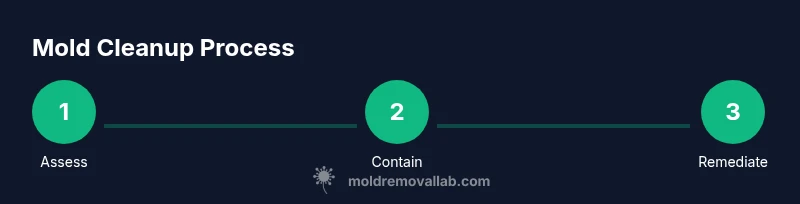
Before you begin, ensure the area is well-ventilated and free of children and pets. Put on PPE, close doors to prevent spread, and cover nearby surfaces with plastic sheeting. This initial check helps you map the scope and reduces exposure to spores.
Tip: Ventilate with a fan blowing outward; never run a central HVAC during active mold cleanup. - 2
Protect yourself and range of motion
Fit the respirator and eye protection properly. Inspect gloves for tears and ensure clothing covers arms and legs. Good protection minimizes health risks during removal.
Tip: Test the respirator seal by covering the inhalation valve and breathing gently in; adjust as needed. - 3
Contain the work area
Seal off the cleanup zone with plastic sheeting, creating a negative-pressure environment if possible. This prevents spores from spreading to other rooms and makes cleanup more efficient.
Tip: Use tape to seal edges and ensure there are no gaps around doors or vents. - 4
Identify moisture sources and repair
Locate leaks or persistent moisture, such as dripping pipes or a faulty shower pan, and plan repairs before cleaning. Stopping the moisture source reduces regrowth risk.
Tip: Document the source with photos and notes for follow-up repairs. - 5
Prepare a cleaning solution
Choose an appropriate cleaner for the surface type. For non-porous surfaces, a bleach-free cleaner or borax solution can be effective; for porous materials, limited cleaning is advised, and replacement may be necessary.
Tip: Never mix cleaners with ammonia or bleach; this can create dangerous gases. - 6
Apply cleaner and scrub mold
Spray solution on the affected area and scrub with a grout brush or non-scratch pad. Focus on grout lines, seams, and any textured surfaces where mold hides. Reapply as needed.
Tip: Work in small sections to prevent the surface from drying too quickly and re-staining. - 7
Rinse and dry surfaces thoroughly
Wipe surfaces with clean water and dry completely using towels or a dehumidifier. Remaining moisture invites return growth, so ensure thorough drying.
Tip: Use fans or dehumidifiers to accelerate drying, especially behind walls or under cabinets. - 8
Dispose of contaminated materials
Place disposable cleaning supplies and contaminated rags in heavy-duty bags and seal tightly before disposal. Do not reuse contaminated items.
Tip: Wipe down the cleanup area one final time to remove residual spores. - 9
Reassess and implement prevention
After cleaning, reassess the area for residual moisture and re-test if needed. Put in place ongoing moisture control measures and a regular maintenance routine to prevent recurrence.
Tip: Set reminders for quarterly checks of humidity and leaks.
FAQ
What exactly is meant by 'black mold bathroom' and is it dangerous?
“Black mold” is commonly used to describe mold growth in damp spaces, often caused by Stachybotrys or related species. It can pose health risks, especially for sensitive individuals, but the level of danger depends on exposure duration and the affected materials.
Black mold refers to mold growth in damp spaces like bathrooms; the risk depends on exposure and individual sensitivity.
Can I remove black mold myself, and when should I contact a professional?
Small, non-porous areas may be cleaned safely with proper PPE and cleaning solutions. Widespread growth, porous materials, hidden mold, or repeated regrowth calls for a licensed remediation professional to ensure safe, thorough removal and moisture source repair.
You can handle small, non-porous areas, but call a professional for larger or hidden mold growth.
How long does mold remediation typically take?
Typical remediation for a small bathroom area may take several hours, while larger, complex jobs can extend over multiple days. A professional will assess moisture sources, containment needs, and material replacement timelines.
Remediation times vary—from a few hours to a few days—depending on scope and moisture sources.
Will mold come back after cleanup if I fix the moisture source?
If the moisture source is permanently addressed and surfaces are properly dried and ventilated, the odds of regrowth decrease significantly. Ongoing maintenance is still important.
If you fix the moisture and keep surfaces dry, mold is less likely to come back, but keep monitoring humidity.
Are there cheap methods that work for cleaning bathroom mold?
Basic household cleaners and scrubbing can remove surface mold in some areas, but aggressive or hidden growth may require stronger cleaners or professional remediation. Always prioritize safety and surface type.
Some DIY cleaners work on surface mold, but for hidden or large growth, professional help is safer.
What should I document for a house inspection or insurance claim?
Take clear photos of mold growth, moisture sources, and any damage. Keep dates of cleaning and repairs, and note humidity readings if available. This helps support remediation decisions.
Take photos, note dates of cleaning and repairs, and keep humidity readings handy for claims.
Watch Video
The Essentials
- Contain and inspect to stop spread
- Control moisture to prevent recurrence
- Use proper PPE and follow safety steps
- Decide DIY vs pro based on material and extent