Pink Mold Bathroom: Safe Removal and Prevention Guide
A practical, safety-first guide to identifying, removing, and preventing pink mold in bathrooms. Learn proven methods, PPE, and moisture-control tips from Mold Removal Lab.


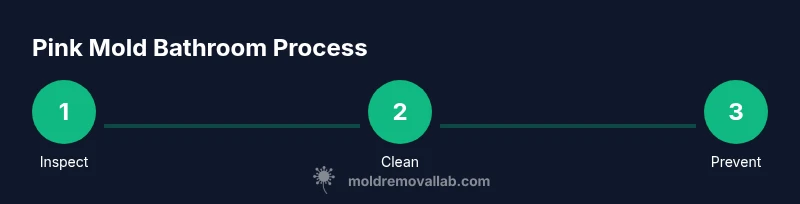
Addressing pink mold in a bathroom starts with protection, a safe cleaning plan, and moisture control to prevent re-growth. Begin by inspecting the area, then clean with a mild cleaner, rinse, and dry thoroughly. Improve ventilation and fix leaks to keep mold away. For persistent growth or hidden spots, consult a professional.
Understanding pink mold bathroom
Pink mold in bathrooms is a common sight, often caused by a moisture-loving bacterium called Serratia marcescens. In many homes, it appears as a pink or salmon-colored film on shower curtains, grout, and tiles. The presence of pink mold typically signals excess humidity, poor ventilation, or unnoticed leaks. According to Mold Removal Lab, addressing moisture sources is the most effective long-term fix, because mold cannot thrive without water, warmth, and a dim, damp environment. This section explains how to identify pink mold accurately, distinguish it from other bathroom stains, and set the stage for safe remediation. You’ll learn how to perform a quick visual survey, note problem areas, and record conditions such as humidity levels and recent water exposure. By understanding where pink mold tends to appear — near sinks, showers, and behind fixtures — you can target cleaning efforts and prevent spread to adjacent surfaces. The ultimate goal is a humidity-controlled bathroom that stays dry most of the time, which reduces microbial growth and protects indoor air quality. Remember: early detection makes remediation easier, cheaper, and less disruptive for households.
Causes and indicators of pink mold in bathrooms
Pink mold growth is often the result of moisture paired with warmth and a lack of airflow. Serratia marcescens commonly thrives on soap scum, soap dishes, grout, and caulk where water tends to stagnate. Visible signs include a pink, orange, or salmon hue on damp surfaces, a slimy texture after a few days, and a musty odor in poorly ventilated rooms. Other indicators are humidity above 60%, frequent shower use without adequate exhaust, and leaks behind tiles or under sinks. Because bathrooms routinely cycle between wet and dry states, small leaks or persistent condensation can create micro-climates that invite pink mold. The key takeaway is to stop the moisture source first; cleaning will only remove the visible growth if humidity and water trouble persist. Tools like a moisture meter or a simple humidity gauge can help you track progress while you implement improvements.
Health considerations and why you should take pink mold seriously
Exposure to pink mold can irritate eyes, skin, and the respiratory system, particularly for individuals with allergies, asthma, or compromised immune systems. While Serratia marcescens is not always pathogenic for healthy people, it can trigger coughing, throat irritation, and nasal congestion in sensitive individuals. In some cases, pink mold may accompany other molds that release spores and mycotoxins; this increases the importance of containment and thorough drying. If you notice persistent symptoms after cleaning, consult a healthcare professional and consider inspecting for hidden growth behind walls or under flooring. Keeping surfaces dry and well-ventilated minimizes adverse health effects and improves overall indoor air quality.
Safety first: PPE and protective measures during remediation
Before you start cleaning pink mold, put on disposable nitrile gloves, a well-fitted respirator (N95 or higher), and protective eyewear. Work in a well-ventilated area and use a dedicated cleaning cloth for the affected zone to avoid cross-contamination. Keep children and pets out of the workspace. Place plastic sheeting or a drop cloth to catch debris and keep cleaning solutions off unrelated surfaces. After cleaning, wash hands thoroughly and launder used clothing separately. These precautions minimize exposure risk and help you maintain control over the remediation process.
Cleaning options and best-practice methods
Two common, safer-cleaning options are distilled white vinegar and hydrogen peroxide. Vinegar is mild and can disrupt some biofilms on non-porous surfaces; hydrogen peroxide is a gentle oxidizer that can help kill surface bacteria. For tougher stains, a mild dish soap combined with warm water can loosen grime. Do not mix cleaners, especially bleach with ammonia or hydrogen peroxide, as this creates dangerous gases. For porous surfaces, consider a professional-grade cleaner recommended by public health agencies or U.S. EPA guidance. After applying cleaner, scrub with a soft-bristle brush, rinse with clean water, and dry thoroughly. If mold returns within a week or two, re-evaluate humidity control and leaks.
Quick overview of a safe remediation approach
- Inspect carefully and map out affected areas. 2) Apply cleaning solution to small sections at a time. 3) Scrub gently to avoid damaging grout or tile. 4) Rinse and dry each area completely before moving on. 5) Reassess humidity and airflow, then implement improvements. 6) Monitor surfaces for several weeks and repeat cleaning if necessary. 7) Consider sealing or repainting affected areas to reduce moisture absorption. 8) If pink mold persists behind walls or within studs, call a licensed professional.
Prevention: long-term moisture control and bathroom maintenance
Install or upgrade an exhaust fan to keep humidity under control, ideally venting to the outdoors. Use a dehumidifier in damp bathrooms and keep temperatures moderate to discourage mold growth. Fix leaks promptly, re-caulk joints, and dry any damp towels and mats after use. Regularly clean bathroom surfaces with a safe cleaner and re-check grout and caulk annually. A simple moisture-control routine reduces the likelihood of pink mold returning.
When to call a professional mold remediation service
If pink mold covers a large area, recurs after cleaning, or involves walls, insulation, or visible water damage, a licensed mold remediator should assess the space. Professionals use specialized equipment to detect hidden moisture sources and may employ containment, HEPA vacuums, and advanced antimicrobial treatments. Before hiring, ask about licensing, insurance, and the expected scope of work. Early professional intervention can prevent costly damage and protect air quality.
AUTHORITY SOURCES
EPA Mold Resources: https://www.epa.gov/mold CDC Mold Resources: https://www.cdc.gov/mold/default.htm OSHA Mold Guidance: https://www.osha.gov/mold
Tools & Materials
- Nitrile gloves(Disposable, powder-free; wear during cleaning)
- N95 respirator(Fit-tested if possible)
- Safety goggles(Protect eyes from splashes)
- Spray bottle(Label; fill with cleaner or water)
- Distilled white vinegar (5% solution)(For non-porous and some porous surfaces)
- Hydrogen peroxide 3%(Optional booster cleaner; do not mix with vinegar)
- Mild dish soap(Loosen grime; use with warm water)
- Soft-bristle brush(Gently scrub grout and tiles)
- Microfiber cloths(Dissipate moisture and dry surfaces)
- Plastic scraper(Use on stubborn film without scratching)
- Heavy-duty trash bags(Dispose contaminated materials safely)
- Dehumidifier or fan(Helps maintain low humidity during and after cleanup)
Steps
Estimated time: Total time: 2-5 hours
- 1
Inspect the affected area
Document visible pink mold spots and moisture sources. Note surfaces involved, such as grout, tile, caulk, or behind fixtures. Take photos for before/after records.
Tip: Create a simple map of wet zones to target cleaning and humidity control. - 2
Protect yourself and the space
Put on nitrile gloves, a proper respirator, and eye protection. Isolate the area with plastic sheeting to limit dust and debris spread.
Tip: Ensure pets and children are away from the cleanup zone. - 3
Contain moisture sources
Fix leaks, dry damp towels, and use a fan to push moisture out of the bathroom. If a leak is present behind walls, refrain from aggressive cleaning there and plan professional assessment.
Tip: Address humidity to prevent relapse; moisture is the root cause. - 4
Prepare cleaning solutions
Set up mild cleaners—white vinegar in a spray bottle and a separate bucket with warm, soapy water. Avoid mixing cleaners with bleach or ammonia.
Tip: Label bottles clearly to avoid accidental mixing. - 5
Apply cleaner and scrub
Apply vinegar to the moldy area and let sit briefly, then scrub with a soft-bristle brush. Rinse with clean water after scrubbing.
Tip: Scrub gently to avoid damaging grout; harsh scrubbing can worsen gaps. - 6
Rinse and dry thoroughly
Rinse the area completely and dry it with microfiber cloths. Use a dehumidifier or fan if available to speed up drying.
Tip: Ensure no moisture remains; dampness invites regrowth. - 7
Evaluate after-cleaning results
Check for remaining pink hue and re-check moisture levels. If spots persist, repeat cleaning on non-porous surfaces or consider a second pass with hydrogen peroxide in a new application.
Tip: If color persists after a second pass, escalate to professional remediation. - 8
Prevent recurrence
Install or upgrade ventilation, fix leaks promptly, caulk joints, and maintain routine cleaning. Monitor humidity with a meter and keep surfaces dry.
Tip: Maintenance is essential; set a quarterly bathroom moisture check.
FAQ
What causes pink mold in bathrooms?
Pink mold is usually Serratia marcescens, a moisture-loving bacteria that thrives where humidity is high, and ventilation is poor. It appears on damp surfaces like grout, shower curtains, and soap dishes.
Pink mold is usually a moisture-loving bacteria that grows where humidity is high and ventilation is poor.
Is pink mold dangerous to health?
Health risks vary by individual; some people experience irritation or allergies, while others have no symptoms. It’s best to treat and monitor, especially for those with respiratory conditions.
Health risks vary by person, but it’s wise to treat pink mold and monitor for symptoms, especially if you have asthma or allergies.
What cleaners work best for pink mold?
Vinegar and hydrogen peroxide are common, safer options for non-porous surfaces. Do not mix cleaners; use one at a time and follow with thorough drying.
Vinegar or hydrogen peroxide can work well on non-porous surfaces; never mix cleaners and always dry completely afterward.
Can pink mold come back after cleaning?
Yes, if moisture continues from leaks or poor ventilation. Address humidity, fix leaks, and maintain a cleaning routine to reduce chances of return.
Recurring mold usually means moisture is still present, so fix leaks and improve airflow to prevent return.
When should I call a professional?
If mold covers large areas, returns after cleaning, or is behind walls or insulation, a licensed professional should assess and remediate.
Call a professional if the mold is extensive or hidden behind walls for safe, thorough remediation.
Do I need mold testing?
Testing is optional for many homes. If you have persistent symptoms, uncertain sources, or significant growth, a professional assessment can guide treatment.
Testing isn’t always needed, but consider it if growth is persistent or you suspect hidden damage.
Watch Video
The Essentials
- Protect yourself with PPE before cleaning.
- Target moisture sources to prevent recurrence.
- Use safe cleaners and avoid mixing chemicals.
- Dry surfaces thoroughly after cleaning to stop regrowth.
- Call a professional for hidden growth or extensive damage.