Wall Mold: Identification, Removal, and Prevention Guide
A practical, expert-backed guide for homeowners and renters on identifying wall mold, safely removing contamination, and applying prevention strategies to protect indoor air quality.


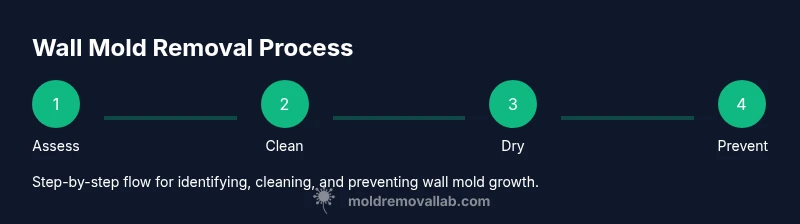
By the end of this guide, you will identify wall mold, assess its spread, safely remove contaminants from nonporous surfaces, and prevent recurrence through moisture control. You'll need basic PPE, simple household cleaners, and a plan for drying and monitoring. This approach minimizes health risks, protects your living space, and reduces the chance of future mold growth behind walls.
What is wall mold and why it matters
Wall mold is a type of indoor mold that colonizes on painted or plastered walls and sometimes behind wallpaper or drywall. It thrives in damp, poorly ventilated spaces. When you see discoloration, fuzzy patches, or a musty odor on or behind walls, you may be dealing with wall mold. According to Mold Removal Lab, wall mold signals ongoing moisture problems and should be addressed promptly to protect indoor air quality and structural integrity. Ignoring it can lead to more extensive damage, higher remediation costs, and increased health risks for occupants. In this guide, you will learn how to identify wall mold, determine the extent of contamination, choose safe cleanup methods, and implement prevention strategies to reduce recurrence. This information is intended for homeowners and renters who want practical, step-by-step guidance for a safe, effective response.
Causes, signs, and how mold grows behind walls
Wall mold often originates from hidden moisture behind the surface. Common culprits include leaky plumbing, roof or window gaps, condensation from temperature differences, and high humidity in poorly ventilated bathrooms or basements. Because walls can trap moisture, visible signs may be limited to patches on paint, wallpaper, or drywall edges, while the material behind may remain damp for longer. In addition to discoloration, look for a musty odor, powdery growth, or staining patterns that appear to migrate up or down the wall. Based on Mold Removal Lab analysis, moisture and inadequate ventilation are the primary drivers of wall mold in many homes. Understanding these drivers helps you pinpoint where to focus mitigation efforts, such as fixing leaks, sealing penetrations, or improving airflow with exhaust vents and dehumidifiers.
Safety, PPE, and containment before you start
Before touching affected areas, equip yourself with appropriate PPE and establish containment to prevent mold spores from dispersing to other rooms. Use a properly fitted respirator or N95 mask, nitrile gloves, eye protection, and a disposable coverall. Set up plastic sheeting to isolate the work zone and seal doors or vents with tape. Turn off HVAC or set it to recirculate to avoid pulling spores through the house. These precautions reduce the risk of exposure for you and others, especially if members of the household include children, pregnant individuals, or allergy-prone people. If the mold covers large areas or involves materials such as insulation or wall cavities, consider professional remediation rather than DIY cleaning. The Mold Removal Lab team emphasizes that safety is the first priority and that containment limits cross-room contamination.
Cleaning methods by surface type: nonporous vs porous
Cleaning strategies depend on the surface involved. For nonporous surfaces like ceramic tile, metal fixtures, and sealed drywall, scrub with detergent and water, rinse, and dry completely. A mild mold cleaner or a 1:1 mixture of water and white vinegar can help loosen residue, followed by thorough drying. For porous materials (drywall, insulation, wood studs) that are visibly contaminated or crumbling, do not attempt to salvage—discard contaminated sections and replace with new material. Porous surfaces can harbor mold roots (mycelium) that are not fully removed by surface cleaning. If any porous material must stay in place, an approved antimicrobial product can be applied after cleaning, but it should be considered a temporary measure and the area must be dried promptly. Use a damp-dry cycle with a dehumidifier and fans to accelerate drying. The Mold Removal Lab analysis shows that incomplete drying is a leading cause of mold regrowth, so thorough drying is critical.
Prevention, maintenance, and when to call a professional
Once you address the current mold, prevention matters to stop recurrence. Immediately fix leaks, improve ventilation in bathrooms and kitchens, and manage indoor humidity with dehumidifiers or air exchangers. Keep surfaces dry after showers and wipe down walls regularly when condensation forms. Install exhaust fans that vent outdoors and ensure they run long enough to remove moisture after use. Check for hidden moisture behind baseboards or behind wallpaper and repair any gaps or cracks. Maintain a moisture-safe environment even after cleaning by monitoring humidity with a hygrometer and addressing problems quickly. If you encounter mold growth behind walls, large affected areas, or concerns about your health, The Mold Removal Lab team recommends consulting a licensed professional for assessment and remediation. They can perform targeted removal, contain the contamination, and verify that moisture sources are eliminated to prevent future problems.
Tools & Materials
- N95 respirator(Protects from airborne mold spores; ensure proper fit)
- Nitrile gloves(Chemical resistant and disposable)
- Safety goggles or face shield(Protect eyes from splashes and spores)
- Disposable coveralls or old clothing(Prevents contamination of clothing)
- Plastic drop cloths or sheeting(Containment to limit spread)
- Plastic sealable bags (heavy-duty)(For disposing contaminated materials)
- Spray bottle with water and mild detergent(For initial cleaning)
- White vinegar (optional, 5-8%)(Natural cleaning option)
- Hydrogen peroxide (3%)(Alternative sanitizing option)
- Baking soda(Deodorizing and cleaning support)
- Detergent or dish soap(For cleaning surfaces)
- Dehumidifier or fans(Dry the area thoroughly)
- Moisture meter/hygrometer(To monitor humidity levels)
- HEPA vacuum (optional)(Capture spores after cleaning)
Steps
Estimated time: 4-6 hours
- 1
Assess the area and prepare
Walk the space to identify all affected zones and plan containment. Remove or move objects away from the work area to prevent cross-contamination. Photograph the scene before you start for reference and insurance records.
Tip: Document changes for later verification and moisture tracking. - 2
Put on PPE and isolate the area
Don PPE (N95, gloves, goggles, coveralls) and erect plastic sheeting to seal the zone. Close doors and vents to prevent spores from traveling to other rooms.
Tip: Test respirator fit and ensure the work area remains contained throughout. - 3
Identify the extent of contamination behind walls
Look for signs of moisture behind baseboards or wallpaper. If possible without damaging structure, inspect for dampness using a moisture meter; do not breach walls unless you have expertise or prior guidance.
Tip: Avoid creating unnecessary holes that could worsen moisture problems. - 4
Remove porous contaminated materials
Seal and bag any damaged drywall, insulation, or porous material that cannot be cleaned. Place bags in a second sealed bag to prevent leakage during disposal.
Tip: Contaminated waste must be handled as hazardous waste by local guidelines. - 5
Clean nonporous surfaces and contained areas
Scrub nonporous surfaces with detergent and water; rinse and dry thoroughly. For tough residues, apply white vinegar or hydrogen peroxide as appropriate, keeping surfaces wet only as recommended to avoid surface damage.
Tip: Do not oversaturate walls and ensure good airflow during cleaning. - 6
Apply antimicrobial treatment and dry completely
If using an antimicrobial product, follow label directions and allow proper contact time. After treatment, dry the area completely using dehumidifiers and fans until no moisture remains.
Tip: Never mix cleaning agents or apply products to damp materials without ventilation. - 7
Sanitize tools and workspace after cleanup
Wash tools with soap and water, disinfect if appropriate, and place them in a clean container away from the work area. Remove containment materials carefully and bag them for disposal.
Tip: Clean and store PPE separately from everyday items. - 8
Inspect, monitor, and prevent recurrence
Recheck the cleaned space after 24-48 hours for any signs of regrowth. Maintain low humidity and fix moisture sources promptly to prevent future wall mold issues.
Tip: Set up a routine inspection schedule and keep humidity below typical indoor comfort levels.
FAQ
What is wall mold and how does it differ from other indoor molds?
Wall mold refers to mold growth that appears on interior wall surfaces or just behind them. It often indicates hidden moisture problems and can involve a range of species. While some mold on painted walls may be cleaned, growth behind walls or on porous materials may require professional assessment and remediation.
Wall mold grows on or behind interior walls and usually points to hidden moisture. Clean small surface growth carefully, but call a pro for growth behind walls.
Can all wall mold be cleaned safely by homeowners?
Small, isolated mold growth on nonporous surfaces can often be cleaned by homeowners following safety steps. Large areas, growth on porous materials, or mold behind walls should be handled by professionals to reduce exposure risks and ensure proper containment.
Small surface mold might be cleaned at home, but large areas or hidden mold should be handled by a professional.
What are common signs of hidden wall mold behind panels?
Hidden mold behind walls may show as subtle staining, peeling paint, or wallpaper discoloration, along with a persistent musty odor. Moisture behind walls from leaks or condensation is a key clue that warrants professional assessment if visible signs are limited.
Hidden mold may show as staining or a musty smell behind walls; moisture clues matter.
Is wall mold dangerous to health?
Exposure to mold can trigger allergic reactions, asthma symptoms, and respiratory irritation in some people. Vulnerable individuals—such as children, the elderly, and those with existing conditions—may experience more pronounced effects. If you suspect health issues, consult a healthcare professional.
Mold exposure can affect health, especially for sensitive people. Seek medical advice if symptoms arise.
What cleaning solutions are safe for walls?
Use mild detergents with water for general cleaning. White vinegar and hydrogen peroxide are common options for disinfection on nonporous surfaces. Avoid prolonged saturation on painted or wallpapered walls and never mix cleaners. For porous materials, cleaning alone may not be sufficient and replacement could be necessary.
Detergent and water work well for many surfaces; avoid soaking and never mix cleaners.
When should I call a professional for wall mold?
Call a professional if mold growth is extensive, behind walls, or if you cannot determine the moisture source or the extent of contamination. Professionals can assess, contain, and remediate safely, while identifying moisture sources to prevent recurrence.
Call a pro if growth is behind walls or you can't locate the moisture source.
The Essentials
- Identify moisture sources and address them.
- Contain and protect before cleaning.
- Dry thoroughly to prevent regrowth.
- Maintain humidity to reduce mold risk.