Pink Food Mold: Identification, Risks, and Safe Cleanup
Learn to recognize pink food mold, understand health risks, and safely dispose of suspect items. This practical guide from Mold Removal Lab covers identification, cleanup steps, and proven prevention strategies for homeowners and renters.


Pink food mold signals spoilage and potential contamination. In this guide, you’ll learn how to identify, safely dispose of affected items, and prevent recurrence with practical, home-friendly steps. Start by isolating suspect food and wearing PPE. Also, keep other foods away to prevent cross-contamination. By following these steps, you’ll reduce exposure and protect your kitchen. According to Mold Removal Lab, prompt action matters for safety.
What is pink food mold?
Pink food mold is not a single organism; it’s a color cue that food is deteriorating due to microbial growth, including molds and yeasts. In kitchens, pink tints can appear on soft fruits, refrigerated leftovers, and dairy products when moisture and warmth persist. According to Mold Removal Lab, pink growths on food should not be mistaken for harmless pigment changes. The color often arises from pigment-producing microorganisms that thrive in humid, poorly sealed containers and in foods with high sugar, protein, or moisture content. While some pink patches may look less intimidating than fuzzy green mold, they still indicate unsafe conditions. Consuming or tasting any moldy food is not recommended, as molds can produce allergens or irritants; in some cases, mycotoxins may be produced. For households, the key takeaway is simple: treat any pink appearance on food as a spoilage warning sign and act quickly to minimize exposure. This is especially important in homes with children, elderly residents, or anyone with respiratory sensitivities. Mold Removal Lab's latest findings emphasize caution and consistent food storage to prevent pink mold growth.
Why pink food mold forms?
Pink mold thrives where moisture lingers and containers aren’t sealed properly. Warm temperatures, extended refrigeration time, and foods with high moisture or sugar content create a hospitable environment for microbial growth. When perishable foods sit in unsealed containers or in damp kitchen cabinets, pink colonies can develop after a few days. Humidity in the kitchen and improper stock rotation contribute to this phenomenon, making it easier for surface molds to take hold on exposed foods. Based on Mold Removal Lab analysis, the combination of moisture, warmth, and nutrient-rich foods is a primary driver of pink mold in home kitchens, and prevention hinges on reducing moisture exposure and practicing consistent cleaning.
Health risks associated with pink food mold
Mold growth on food can trigger allergic reactions, asthma flare-ups, and respiratory irritation in sensitive individuals. Some molds can also produce mycotoxins, depending on the species and growth conditions. While pink mold on food is not always linked to the most dangerous mycotoxins, it should be treated as unsafe to consume. People with weakened immune systems, older adults, and young children are at higher risk from exposure. It’s important to avoid inhaling spores during cleanup and to prevent spread to other foods and surfaces. This guidance aligns with general food safety best practices and reinforces why prompt disposal and thorough cleaning are essential, especially in kitchens where foodborne molds are found near fruit, dairy, or prepared foods.
How to identify pink mold safely in your kitchen
Identification starts with color, texture, and odor. Pink growth may appear as powdery or fuzzy patches on the surface of foods like berries, cheese, or cooked leftovers. A musty or sour odor can accompany moldy food, but odor is not always reliable. If you see pink or pink-tinged colonies, assume contamination and isolate the item immediately. Do not taste the food or sniff closely to avoid inhaling spores. For surfaces, use a clean sponge to wipe away a small test area after removing the contaminated item, then dispose of the sponge carefully. Remember, pink mold on food is a spoilage signal, and safe handling practices are essential for protecting yourself and others in the household.
Safe disposal and cleanup of pink mold in food
Disposal is the most important first step. Place the moldy item in a sealed plastic bag and discard it in an outdoor trash bin to minimize indoor exposure. Remove any packaging or containers that came into contact with the mold and wipe them down with detergent. After disposal, clean the surrounding surface with hot, soapy water and rinse. Use a separate, dedicated cloth for moldy areas to prevent cross-contamination. Then disinfect the area with an approved household disinfectant following label directions. Ventilate the space to dry it quickly and prevent regrowth. These practices reduce the risk of spreading pink mold spores to other foods and surfaces.
Step-by-step cleanup plan (at-a-glance)
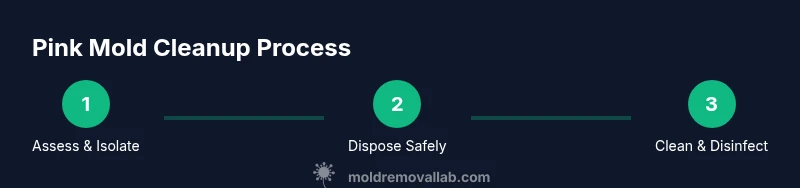
This section provides a practical, at-a-glance plan to handle pink mold when discovered in the kitchen. The plan covers containment, disposal, cleaning, disinfection, and prevention. It is designed to be easy to follow for homeowners and renters, with safety at the forefront. The steps emphasize wearing PPE, handling contaminated items carefully, cleaning from clean to dirty, and ensuring surfaces dry quickly to prevent regrowth. By following this approach, you reduce exposure risk and keep your kitchen safer for everyone.
Prevention strategies to avoid pink mold in the future
Prevention focuses on reducing moisture and improving storage. Keep the fridge at or below 40°F (4°C) and the pantry dry and well-ventilated. Use airtight containers for perishable foods, especially fruits and dairy products, and practice first-in, first-out rotation. Regularly clean shelves, seals, and door gaskets to remove condensation and food particles. When you finish cooking, promptly refrigerate leftovers in shallow, properly labeled containers. Avoid leaving produce at room temperature for extended periods, and monitor the humidity levels in storage areas. These habits minimize the conditions that foster pink mold growth.
Common myths about pink mold vs bacteria
A common myth is that pink mold is harmless because it looks less threatening than other colors. In reality, any visible mold on food warrants caution. Another misconception is that reheating or cooking moldy food can make it safe to eat. Heat cannot reliably destroy all mold toxins, so disposal is the safest option. A third misconception is that pink mold only affects spoiled meat; in truth, mold can grow on fruit, dairy, bread, and prepared foods. Understanding these distinctions helps homeowners make safer decisions and avoid taking unnecessary risks. This section clarifies misconceptions and emphasizes prudent food handling.
When to seek professional help and what professionals offer
If you find pink mold over a large area, or if there is persistent moisture and visible growth beyond a few items, consider consulting a professional mold remediation specialist. For many homeowners, a local health department or a mold remediation service can assess the extent of contamination and recommend a remediation plan. In kitchens with ongoing moisture problems, a professional can identify hidden sources of humidity, like leaks or condensation, and propose long-term fixes. The Mold Removal Lab team recommends acting promptly when mold is present, especially in areas where food is stored or prepared, to minimize health risks and property damage.
Tools & Materials
- Disposable gloves (nitrile or latex)(Protect hands from contaminated surfaces)
- N95 face mask or respirator(Protect lungs from spores during cleanup)
- Eye protection (goggles)(Prevent splashes from reaching eyes)
- Trash bags, heavy-duty(Seal moldy items securely before disposal)
- Dish soap or kitchen detergent(Best for cleaning contaminated surfaces)
- Bleach or hydrogen peroxide disinfectant(Follow label directions; do not mix with other cleaners)
- Spray bottle(For applying cleaning solutions evenly)
- Paper towels or disposable wipes(Disposable; discard after use)
- Dedicated cleaning cloths(Use only for mold-related cleanup)
- Sealable containers for disposal(Store moldy items until outdoor disposal)
- Ventilation (open window or fan)(Reduce airborne spores during cleanup)
Steps
Estimated time: 30-45 minutes
- 1
Assess and isolate affected items
Scan the area for moldy foods and separate them from other groceries. Do not sniff or taste moldy items. This prevents contamination from spreading and makes disposal straightforward.
Tip: Place moldy items in a sealed bag before moving them to the outdoor trash. - 2
Put on PPE
Wear gloves, a mask, and eye protection before handling moldy items. PPE reduces exposure to spores and protects your airway and eyes from irritants.
Tip: Avoid touching your face while handling contaminated items. - 3
Dispose of contaminated food properly
Place the moldy item in a sealed bag, then discard it in an outdoor trash bin. Do not reuse the container; replace it to prevent cross-contamination.
Tip: Double-bag if the item is particularly moldy or damp. - 4
Clean the container and surfaces
Wipe off any residual mold from the container and nearby surfaces with detergent. Rinse with clean water and dry with a disposable towel before applying disinfectant.
Tip: Work from clean to dirty to minimize spreading spores. - 5
Disinfect and ventilate
Apply an approved disinfectant according to label directions. Allow surfaces to air-dry and keep the area well-ventilated to speed up drying and prevent regrowth.
Tip: Do not mix disinfectants with other cleaners. - 6
Inspect for lingering moisture and monitor
Check for residual moisture in the storage area. Dry thoroughly and monitor for any new discoloration over the next few days. If mold returns, consider seeking professional help.
Tip: Use a moisture meter if you have recurring dampness.
FAQ
What is pink food mold and is it dangerous?
Pink food mold is a sign that food has started to spoil due to microbial growth. It can include molds and yeasts and may cause allergic reactions or irritation in sensitive individuals. Do not eat moldy food and handle it with care.
Pink food mold indicates spoilage and may pose health risks, so avoid consuming it and clean it properly.
Can pink mold be removed by washing the food?
No. Washing moldy food does not guarantee safety, and some toxins may remain. The safest option is disposal and cleaning surrounding areas to prevent cross-contamination.
Washing won't reliably remove mold toxins; discard the item and sanitize the area.
Is pink mold limited to a specific food type?
Pink mold can appear on a range of moist foods, including fruits, dairy, and prepared dishes. It indicates spoilage, so always treat pink growth as unsafe to eat and dispose of the item.
It can show up on many moist foods, so be cautious with anything with pink growth.
What are signs of mold exposure to watch for?
Symptoms can include coughing, sneezing, throat irritation, and nasal congestion. If you notice symptoms after exposure, seek medical advice and improve kitchen ventilation and cleaning practices.
Watch for respiratory symptoms after exposure and improve cleaning and ventilation.
When should I call a professional for pink mold?
Call a professional if mold covers a large area, recurs after cleaning, or if moisture problems persist. Professionals can assess hidden sources of dampness and recommend comprehensive remediation.
If mold persists or covers a large area, get a professional assessment.
Watch Video
The Essentials
- Identify pink mold as a spoilage cue and act quickly
- Dispose contaminated food in a sealed bag
- Clean and disinfect surfaces thoroughly
- Prevent recurrence with proper storage and moisture control
- Call a professional for large areas or persistent moisture