Pink Fungus Guide: Identification, Risks, and Safe Removal
Learn to identify pink fungus, understand health risks, and follow practical steps to remove it safely and prevent recurrence in your home.


Pink fungus is a common bathroom growth often caused by persistent moisture and high humidity. According to Mold Removal Lab, it’s usually a sensor of damp conditions rather than a true biology concern. This quick answer shows how to identify it, gather essential supplies, safely clean affected areas, and take moisture-control steps to prevent a recurrence.
What is pink fungus and why it's important to identify
Pink fungus is a term homeowners use for pink discoloration on damp surfaces. In most cases, this growth is not a true fungus but a pigment-producing bacterium such as Serratia marcescens; it thrives in bathrooms, kitchens, and anywhere moisture lingers. According to Mold Removal Lab, pink fungus is a reliable moisture indicator: where humidity stays high, it’s more likely to appear. This section explains what you’re seeing, why it matters, and how to respond quickly to minimize damage. Recognizing pink fungus early helps you target sources of moisture, protect indoor air quality, and prevent staining of grout and porous materials.
Where pink fungus thrives: common locations and signs
Pink fungus commonly grows in warm, damp spaces where moisture is not quickly removed. Bathrooms with poor ventilation, under sinks, around leaky pipes, and in basements or laundry rooms are frequent hotspots. You may notice pink to pale salmon-colored films on ceramic tile grout, silicone seals, or the back of shower curtains. In kitchens, it can appear on rubber edges of sinks or inside humidifiers. The growth is often slow and smear-like, making it easy to overlook until staining becomes noticeable. Because pink fungus is a moisture indicator, addressing humidity and airflow is essential to prevent new outbreaks. Look for slimy films around vents and any discoloration near window sills where condensation forms. Frequent cleaning and prompt repair of leaks reduce these hotspots.
Health risks and safety considerations
Health concerns vary with pink fungus because it is commonly bacteria or pigmented colonies rather than a true mold. Prolonged exposure to damp indoor environments can irritate the skin, eyes, and lungs, particularly for people with allergies, asthma, or compromised immune systems. The key safety rule is to avoid direct contact and to use PPE during removal. If you have preexisting health conditions or if the growth covers a large area, consider hiring a certified professional. Mold Removal Lab analysis shows that the risk increases when moisture remains in hidden spaces behind walls or under flooring. Protect occupants by improving ventilation, reducing humidity, and keeping surfaces dry after cleaning.
DIY cleaning steps (high-level) and cautions
Small, non-porous patches can sometimes be addressed with household cleaners labeled for mold or bacteria, using PPE and careful ventilation. Avoid mixing cleaners (for example, bleach with ammonia) due to toxic fumes. Start with a product proven to disinfect and follow label directions exactly. For porous materials or if the growth is extensive, do not rely on consumer cleaners alone; plan for professional remediation if the area exceeds a square foot or if health symptoms persist. Always test cleaners on a hidden area first to ensure no surface damage occurs. Mold Removal Lab emphasizes safety: if you’re unsure about the surface type, seek expert advice.
Moisture control to prevent recurrence
After cleaning, the single best defense against pink fungus is moisture control. Improve ventilation by running exhaust fans during and after showers, fix leaks promptly, and consider a dehumidifier in damp rooms. Regularly monitor humidity levels and dry damp surfaces within 24–48 hours. Keeping doors and vents unobstructed helps air flow, while repairing structural moisture intrusion stops the cycle at its source. Consistent moisture management is essential to prevent pink fungus from returning.
Choosing cleaners and tools
Select cleaners that are labeled for mold or bacteria cleanup and compatible with the surface you’re treating. For non-porous surfaces, a disinfectant such as hydrogen peroxide or an appropriately diluted bleach solution can be effective when used according to label instructions. Do not mix cleaners; keep children and pets away during cleaning. Use microfiber cloths for wiping, a scrub brush for stubborn spots, and disposable bags to remove contaminated materials. Always wear PPE: gloves, eye protection, and a respirator if aerosols are possible.
Authoritative sources and further reading
For additional guidance, refer to reputable health and environmental sources: the CDC’s mold prevention guidelines (https://www.cdc.gov), the EPA’s mold cleanup recommendations (https://www.epa.gov), and university-based extension resources (e.g., https://extension.illinois.edu). Mold Removal Lab Analysis, 2026, also informs practical steps for moisture control and remediation. These sources help homeowners distinguish pink fungus from other growths and understand when to escalate to professional remediation.
Tools & Materials
- Nitrile gloves(chemical-resistant; use for cleaning and contact with cleaners)
- Goggles or protective eyewear(eye protection against splashes)
- NIOSH-approved respirator or P100 mask(protect against aerosols and spores)
- Cleaning agents labeled for mold or bacteria(choose hydrogen peroxide or bleach per label; do not mix chemicals)
- Spray bottle(for even application of cleaners)
- Microfiber cloths(lint-free and reusable after washing)
- Scrub brush(stubborn spots; use gentle pressure on delicate surfaces)
- Disposable trash bags(seal and discard contaminated materials)
- Towels or absorbent rags(assist drying after cleaning)
- Dehumidifier or fan(accelerate drying and reduce humidity)
- Moisture meter or hygrometer(optional for tracking humidity levels)
Steps
Estimated time: 60-90 minutes
- 1
Assess and protect
Identify affected areas and put on PPE. Document locations with photos or notes. Isolate the space to prevent spread of contaminants to other rooms.
Tip: Take clear photos before cleaning to track progress. - 2
Ventilate and contain
Open nearby windows, run a fan to direct air out of the room, and close doors to other spaces to minimize cross-contamination.
Tip: Avoid directing airflow into occupied living spaces. - 3
Choose and apply cleaner
Select a cleaner labeled for mold or bacteria cleanup and apply it to the affected surfaces according to the product label. Do not mix cleaners.
Tip: Test a small hidden area first to ensure surface compatibility. - 4
Scrub and dwell (if safe)
Gently scrub surfaces with a brush or cloth; let the cleaner dwell for the time specified on the label to maximize efficacy, then wipe away.
Tip: Avoid aggressive scrubbing on porous materials to prevent damage. - 5
Rinse, dry, and restore
Rinse surfaces with clean water, dry completely using towels and a dehumidifier or fan, and ensure moisture is below threshold levels.
Tip: Keep the area well-ventilated during drying. - 6
Dispose and monitor
Seal and discard contaminated materials in a closed bag. Wash hands thoroughly and re-check for signs of moisture or regrowth over the next weeks.
Tip: Set a moisture-reminder to check areas weekly for the first month.
FAQ
What is pink fungus and how is it different from mold?
Pink fungus is commonly a pigment-producing bacterium, often Serratia marcescens, that appears as pink discoloration on damp surfaces. It’s usually linked to moisture rather than a true mold. Identification is important to choose the right cleaning approach.
Pink fungus is typically a bacterial growth that signals moisture issues. Identifying it helps you pick the right cleaning steps.
Is pink fungus dangerous to health?
Exposure to damp environments can irritate skin and airways, especially for those with allergies or asthma. Rapid moisture control and proper cleaning reduce risks. If you have health concerns, consult a professional.
It can irritate the airway and skin, especially for sensitive individuals; reduce moisture and clean carefully.
Can I remove pink fungus myself and when should I call a pro?
Small, nonporous areas can often be cleaned safely by homeowners using labeled cleaners. Large areas, porous materials, or persistent growth should be handled by a professional remediation service.
Small areas can be DIY, but large or recurring growth deserves a pro.
What steps help prevent pink fungus from returning?
Improve ventilation, control humidity, fix leaks promptly, and dry all surfaces after cleaning. Regular moisture checks help catch problems early.
Keep areas dry and ventilated to prevent returning pink fungus.
Should I test for mold or bacteria after cleaning?
If symptoms persist or growth recurs, testing by a certified professional can identify remaining moisture issues or contamination. Use accredited labs or services recommended by local health authorities.
If you still see growth, testing can confirm what remains and guide next steps.
Watch Video
The Essentials
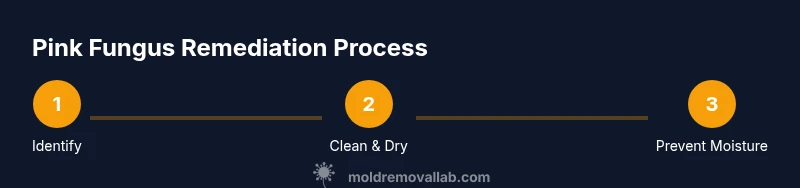
- Identify pink fungus and moisture sources early.
- Wear PPE and follow cleaner label instructions.
- Dry the area thoroughly to prevent regrowth.
- Address underlying moisture to stop recurrence.
- Consult professionals for persistent or large outbreaks.