Mold on Shower Grout: Safe Remediation & Prevention
Learn practical, step-by-step methods to remove mold on shower grout safely, protect your family, and prevent regrowth with proven home-remediation tips.


In this guide, you’ll learn how to safely remove mold on shower grout and prevent its return. Expect a practical, step-by-step approach, essential tools, and clear safety tips. According to Mold Removal Lab, bathrooms are high-risk for mold growth due to humidity; the Mold Removal Lab team found that proactive cleaning and sealing dramatically reduce regrowth.
Why mold on shower grout matters
Mold on shower grout is a common, frustrating problem for many homeowners and renters. Bathrooms are high-humidity environments where moisture linger on tile and grout joints, creating an ideal breeding ground for mold spores. Left unchecked, mold can spread, damage grout, and trigger musty odors that make showers uncomfortable. The Mold Removal Lab Team emphasizes that a safe, proactive approach protects indoor air quality and reduces the risk of repeated growth. Regular cleaning, good ventilation, and timely remediation are the keys to a healthier, cleaner bathroom environment.
From a health perspective, mold exposure can irritate eyes, skin, and airways, especially in sensitive individuals. Quick action can limit potential symptoms and keep your family safer.
Causes and indicators
Understanding why mold forms on shower grout helps you prevent it. Persistent moisture from hot showers, high humidity, and inadequate ventilation allow mold spores to settle in grout porosity. Cracks or missing grout create micro-diffusion paths for moisture and spores, accelerating growth. Visual indicators include dark staining, fuzzy patches, and a musty smell. A damp bathroom habit—taking long, hot showers without exhausting air—often precedes a mold bloom. Regularly inspecting grout lines after showers helps catch early signs before they spread.
Mold can appear in many colors, but black or greenish-black patches near grout lines are common. If you notice any of these signs, start a targeted cleaning routine and improve ventilation to slow further growth.
Prep and safety
Before you begin, protect yourself and the living space. Put on nitrile gloves, safety goggles, and a mask rated for particles. Ventilate the bathroom by opening a window or running an exhaust fan; keep doors closed to other rooms to prevent cross-contamination. Remove items from the shower area and place towels or a drop cloth to catch drips. If you have porous stone or damaged grout, consider additional precautions or alternative cleaning methods—porous materials may absorb cleaners and harbor spores longer.
Safety first: never mix cleaners unless the product instructions explicitly allow it, and never use bleach near colored grout or metallic surfaces without testing a small area.
Cleaning approaches: chemical vs natural
There are two broad pathways for cleaning mold from grout: chemical products and natural cleaners. Bleach is effective on non-porous surfaces but can degrade cementitious grout over time and may discolor some tiles. Hydrogen peroxide is a milder option with antimicrobial properties, and baking soda paste acts as a gentle abrasive without harsh chemicals. White vinegar is popular, but it should be used cautiously on natural stone or certain sealants. Always test a small area before full application and ensure good ventilation during cleaning.
For a safer, DIY path, start with a baking soda paste (baking soda + water) on grout, wait 5-10 minutes, then scrub with a stiff brush. If mold persists, move to hydrogen peroxide (3%) or a hydrogen peroxide + baking soda combo, following product directions. Never mix hydrogen peroxide with bleach.
Deep cleaning grout lines: step-by-step method
This section expands your technique with a practical, actionable method you can follow.
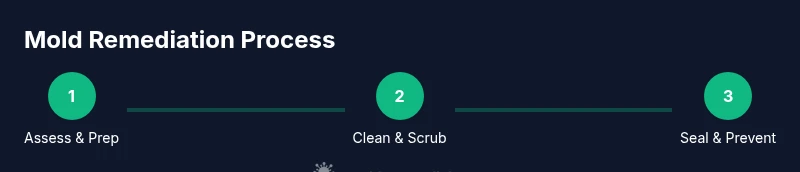
- Prep the area and PPE on. 2) Apply cleaner to grout lines. 3) Scrub grout lines with a stiff brush. 4) Rinse thoroughly and inspect. 5) Repeat if needed. 6) Dry completely and apply grout sealer if appropriate. 7) Maintain dryness and ventilation to prevent regrowth.
Each step emphasizes safety and effectiveness, with the goal of removing visible mold while preserving grout integrity. If you’re unsure about your grout type, consult product instructions or a professional.
Prevention and maintenance
Prevention is easier and cheaper than repeated cleaning. Maintain bathroom humidity around 40-60% using a dedicated exhaust fan during and after showers. Wipe down tiles and grout with a squeegee or towel to remove residual moisture daily. Consider sealing grout after a deep clean to reduce moisture absorption; reseal every 12-24 months depending on grout type and wear. Replace shower curtains or liners that harbor moisture, and repair any leaks promptly.
Create a simple, repeatable routine: weekly quick wipe-downs, monthly grout checks, and an annual deep clean. This proactive approach minimizes mold risk and helps you keep your bathroom healthier longer.
When to call a professional
If mold covers a large area (more than a few grout lines on multiple walls), if you notice water damage or persistent musty odors despite cleaning, or if mold returns after cleaning attempts, it’s time to call a licensed mold remediation professional. Large contamination or hidden mold behind walls requires specialized equipment and containment to prevent spread. A pro can also assess grout integrity and suggest long-term solutions like grout renewal or epoxy grout options.
Authority sources
- https://www.epa.gov/mold/mold-guide
- https://www.cdc.gov/mold/dampness_facts.html
- https://extension.illinois.edu/mold_mafety
Quick safety checklist
- Wear PPE and ventilate well during all cleaning steps.
- Test cleaners on a small grout area first.
- Avoid mixing cleaners unless explicitly instructed.
- Ensure grout is fully dry before sealing.
- Keep humidity in check to reduce recurrence.
Tools & Materials
- Nitrile gloves(Protect hands from cleaners and mold spores)
- Safety goggles(Shield eyes from splashes)
- Mask/respirator(Use a mask rated for particulates (N95 or better))
- Old toothbrush or stiff nylon brush(For scrubbing grout joints)
- Stiff grout brush or sponge(Alternative for stubborn grout lines)
- Spray bottle(For applying cleaners evenly)
- Bucket(Optional for rinsing and mixing cleaners)
- Baking soda(Mild abrasive cleaner option)
- Hydrogen peroxide 3%(Antimicrobial cleaner alternative to bleach)
- White vinegar (optional)(May be used for natural cleaning paths)
- Grout sealer (silicone or epoxy sealant)(Optional post-cleaning protection)
Steps
Estimated time: 60-90 minutes
- 1
Ventilate and PPE on
Open a window or run the exhaust fan to move moisture out of the bathroom. Put on gloves, goggles, and a mask to protect from mold spores and cleaning fumes. This step reduces exposure and improves cleaning effectiveness.
Tip: Good ventilation makes the cleaning safer and more pleasant. - 2
Isolate the area
Move towels and non-moisture-prone items away from the shower. If possible, close doors to the rest of the home to prevent spread of spores.
Tip: Containment minimizes cross-contamination. - 3
Apply cleaner to grout
Choose baking soda paste or a hydrogen peroxide solution. Apply it directly to grout lines with a brush and let sit 5-10 minutes for the cleaner to penetrate.
Tip: Don’t over-wet surrounding surfaces to avoid water damage. - 4
Scrub grout lines
Scrub with a stiff brush, focusing on stained joints. Use longer, perpendicular strokes to dislodge embedded mold.
Tip: Be careful not to scrub too hard and damage the grout. - 5
Rinse and inspect
Rinse with clean water and check if mold remains. If needed, repeat the cleaning cycle on stubborn spots.
Tip: Visible clean area indicates progress; unseen mold may require additional approaches. - 6
Repeat if needed
Some stubborn mold may require a second pass with a stronger cleaner. Allow drying between passes if possible.
Tip: Stopping early can leave hidden spores behind. - 7
Dry thoroughly and seal
Let grout dry completely (usually 24 hours) before applying a grout sealer. Sealing helps block moisture absorption and mold regrowth.
Tip: Ensure sealant is compatible with your grout type. - 8
Maintain prevention routine
Keep bathrooms dry after use, use ventilation, and recheck grout quarterly. Schedule deeper cleanings to prevent recurrence.
Tip: Consistency is the key to long-term success.
FAQ
Is bleach safe to use on moldy shower grout?
Bleach can kill surface mold on non-porous surfaces but can damage cementitious grout and discolor some tiles. It’s best used sparingly and only after testing a small area. For porous grout, hydrogen peroxide or baking soda pastes are safer options.
Bleach can work on hard, non-porous areas, but grout is porous and can be damaged or discolor. Test first and consider gentler cleaners.
What’s the best method to remove mold from grout without harsh chemicals?
A baking soda paste or hydrogen peroxide solution can often remove mold from grout without harsh chemicals. Apply, let sit, scrub, and rinse. If needed, repeat once or twice, then seal grout.
Try baking soda paste or hydrogen peroxide; they’re effective and gentler on your surfaces.
How often should I seal shower grout?
Sealing grout helps block moisture. After a deep clean and drying, reseal every 12–24 months depending on grout type and wear.
Seal grout every year or two to keep it water-resistant.
Can mold on shower grout affect health?
Mold exposure can irritate eyes, skin, and lungs, especially for sensitive individuals. Reducing moisture and cleaning promptly lowers health risks.
Yes, mold exposure can affect health; keep the bathroom dry and clean to reduce risk.
When should I call a professional?
If mold covers a large area, returns after cleaning, or there’s possible water damage, a licensed mold remediation professional should assess and treat the space.
Call a pro if mold is widespread or keeps coming back.
Watch Video
The Essentials
- Act quickly on damp bathrooms to curb mold growth
- Ventilate well and dry surfaces after each shower
- Use safe cleaners and test first on grout
- Seal grout after cleaning to prevent future growth
- Call a pro for large-scale or recurring mold issues