How to Get Rid of Mold in the Bathtub: DIY Guide
A practical, step-by-step guide to removing bathtub mold safely, with proven cleaning methods and prevention tips to keep your bathroom healthy.


This how-to guide shows how to get rid of mold in the bathtub using safe, proven methods. You’ll learn when DIY is appropriate, which cleaning agents to use, and how to dry and prevent recurrence. By following these steps, you can restore a clean, healthy tub and reduce moisture-driven mold growth.
Why bathtub mold is a common problem
Bathtub mold thrives where moisture and warmth linger. According to Mold Removal Lab, bathrooms are high-humidity environments that produce daily dampness from showers, baths, and splashes. If moisture isn’t removed quickly, mold can colonize on tile grout, caulk, shower curtains, and even behind fixtures where air circulation is limited. The Mold Removal Lab team found that typical bathtub mold starts as a small, nearly invisible patch and grows as long as moisture remains. That's why addressing the moisture source is always the first line of defense. In most homes, the root causes are poor ventilation, infrequent cleaning in hard-to-reach areas, or a small hidden leak behind tiles. Understanding these drivers helps you choose an effective remediation plan rather than simply scrubbing the surface. The goal is to stop the cycle: dry surfaces promptly, improve airflow, and clean with agents that can kill mold at its source. With these principles, you’ll reduce regrowth and keep your bathroom healthier for your family.
Safety first: PPE and risk
Mold exposure can irritate eyes, skin, and the respiratory tract, especially for children, the elderly, or those with asthma. Before you start, put on a properly fitted N95 respirator, safety goggles, and chemical-resistant gloves. If you have sensitive skin or are dealing with extensive growth, consider a disposable coverall. Ensure the bathroom is well-ventilated with an open window or exhaust fan. Keep pets and children out of the work area, and never mix cleaning agents, as chemical reactions can release dangerous fumes. These precautions aren’t optional—they protect your health while you remove mold growth.
Immediate steps to stop mold growth
Start by stopping the moisture source. Run a bathroom fan or open a window for cross-ventilation, and consider a dehumidifier in especially humid bathrooms. Wipe down wet surfaces after showers, and address any leaks promptly. If you see visible mold, dry brushing can help remove loose patches, but do not scrub aggressively on porous surfaces. Then, isolate the work area to prevent spread to other rooms. The goal is to interrupt the mold life cycle by reducing moisture, improving airflow, and beginning surface cleaning with appropriate agents.
Cleaning agents: Choosing the right method
There are several options for cleaning bathtub mold, each with its own pros and limits. Bleach is effective on non-porous surfaces like enamel, porcelain, and ceramic tiles, but it does not eliminate mold roots in porous grout and caulk. Hydrogen peroxide is a milder, less odorous option that can kill surface mold and is safer for some people. White vinegar is a natural option that can inhibit mold growth but may not be sufficient for heavy or deeply embedded mold. For porous grout and caulk, you may need repeated cleaning and eventual replacement. Always follow product labels, use cleaning products separately (never mix cleaners), and test a small area to ensure colorfastness. These strategies form a practical plan you can adapt to your bathroom.
Deep cleaning grout and caulk
Grout lines and caulk are common mold hotspots because they trap moisture. Scrub grout with a stiff nylon brush and a dedicated tile cleaner or a mild cleaning solution. For caulk, gently remove deteriorated sections and re-caulk with mildew-resistant caulk after the area is fully dry. After cleaning, wipe surfaces with a clean cloth and allow them to dry completely. If mold recurs in grout within weeks, consider replacing the grout or resealing the area in addition to ongoing cleaning. This targeted approach stops mold from hiding in tiny gaps where it’s easy to miss.
Treating behind fixtures and drain areas
Mold can thrive behind bathtubs, under sinks, and around drains where airflow is restricted. If you can access behind the tub or wall panels, inspect for leaks and signs of moisture intrusion. Clean any visible mold using your chosen agent, then dry the area thoroughly. If you notice persistent moisture, address the underlying cause—loose plumbing, condensation, or poor ventilation. In some cases, removing a small section of drywall (with professional guidance) may be necessary to treat hidden mold. Consistent drying after cleaning is essential to prevent regrowth.
Drying and humidity control to prevent recurrence
Mold loves lingering moisture, so drying the area completely is the keystone of prevention. After cleaning, run the fan or open the window for several hours, and use a dehumidifier if the bathroom stays humid. Wipe dry all surfaces, including grout lines and caulk, and keep bathroom doors open when feasible to improve air exchange. Regular maintenance—such as wiping down the tub after use and inspecting for leaks—helps keep humidity low over time. The Mold Removal Lab Analysis, 2026, underscores that moisture control is key to preventing recurrence and protecting indoor air quality.
When to call a pro vs DIY
DIY remediation works well for small, clearly visible mold growth on non-porous surfaces. If mold covers more than a small area, penetrates porous materials, or you have health concerns, it’s wise to consult a licensed professional. Hidden mold behind walls or under flooring can require specialized tools and containment to prevent cross-contamination. If you suspect structural damage or persistent moisture problems, professional remediation is the safest option. A professional assessment can confirm the extent of growth and provide a targeted plan for long-term prevention.
Preventive habits to keep mold away
Adopt simple daily and weekly habits that make mold less likely to take hold. Ventilate during and after showers, wipe down surfaces, fix leaks promptly, and consider a low-humidity bathroom routine with a small dehumidifier. Replace old, cracked grout or deteriorating caulk to reduce moisture traps. Regular cleaning with a mold-inhibiting cleaner and a quick dry-down can dramatically reduce the chance of mold returning. With consistent maintenance, you’ll keep your bathtub and bathroom healthier over time.
Tools & Materials
- N95 respirator (fit-tested)(Essential for airborne mold particles)
- Safety goggles(Protect eyes from splashes)
- Chemical-resistant gloves(Keep skin safe from cleaners)
- Bucket(For mixing or rinsing)
- Spray bottles (at least 2)(One for cleaner, one for water rinse)
- Nylon scrub brush(Effective on grout)
- Non-abrasive sponge or microfiber cloths(Gentle on surfaces)
- Hard-bristled brush (optional)(For stubborn grout)
- White vinegar(Natural cleaning option)
- Hydrogen peroxide 3%(Disinfection alternative)
- Bleach (sodium hypochlorite)(Disinfects non-porous surfaces; use with ventilation)
- Quality bleach-safe cleaner(If preferred over plain bleach)
- Replacement caulk (mildew-resistant)(For re-sealing grout/caulk)
- Caulk gun(To apply new sealant)
- Fan or bathroom extractor(Keeps air moving during cleaning)
- Dehumidifier(Reduces humidity over time)
- Protective disposable coveralls (optional)(Extra protection for large mold areas)
Steps
Estimated time: 60-180 minutes
- 1
Put on PPE and prep area
Wear an N95, goggles, and gloves before touching moldy surfaces. Lay down plastic sheeting or towels to catch splashes and create a clean working zone. This helps minimize exposure and contains debris.
Tip: Double-check ventilation; open a window and run the exhaust fan before you begin. - 2
Ventilate and control moisture
Turn on the bathroom fan or open windows. If humidity stays high, run a dehumidifier for at least an hour after cleaning. Reducing moisture is the single most effective preventive measure.
Tip: If there’s a leak, fix it before deep cleaning to prevent regrowth. - 3
Isolate moldy areas and remove loose patches
Wipe away loose surface mold with a dry cloth or brush. Do not saturate at this stage to avoid spreading spores. Isolating the area helps prevent cross-contamination.
Tip: Avoid using a dry cloth on porous grout; switch to a brush instead. - 4
Choose and apply your cleaner
Apply your chosen cleaner to moldy areas according to product guidelines. For a natural option, spray white vinegar on affected grout and tiles. For stronger disinfection, a diluted bleach solution can be used on non-porous surfaces only.
Tip: Never mix cleaners (especially bleach with ammonia). - 5
Scrub mold from surfaces
Scrub tile grout and tub surfaces with a nylon brush to remove mold staining and spores. Rinse frequently to remove loosened debris and prevent redepositing mold.
Tip: Use circular motions to reach grout lines and caulk edges. - 6
Rinse and dry thoroughly
Rinse surfaces with clean water and dry completely using towels or microfiber cloths. Leave surfaces dry to inhibit regrowth and prevent residual moisture.
Tip: If possible, direct airflow across the cleaned areas to speed drying. - 7
Check behind fixtures and drain areas
Inspect hidden spots for signs of moisture or mold growth. Clean accessible behind fixtures and near drains, then dry thoroughly. If you find ongoing moisture, address the root cause.
Tip: A small flashlight helps you spot faint discoloration in crevices. - 8
Re-caulk and reseal if needed
If caulk shows degradation, remove it and apply mildew-resistant caulk after the area is dry. Proper sealing reduces moisture intrusion and makes future cleaning easier.
Tip: Choose a color-matched sealant to blend with the tile for a cleaner look. - 9
Implement prevention plan and monitor humidity
Continue daily maintenance: wipe dry after showers, run ventilation, and monitor humidity. Schedule periodic inspections to detect early signs of mold before it spreads.
Tip: Aim for bathroom humidity below 50% as a practical target.
FAQ
What causes mold in the bathtub?
Mold thrives in persistent moisture and warm, poorly ventilated bathrooms. Leaks, humidity, and inadequate cleaning allow mold to establish itself on grout, caulk, and behind fixtures.
Mold grows where moisture lingers, so fix leaks and improve airflow to reduce risk.
Is bleach safe for bathtub mold?
Bleach disinfects nonporous surfaces like enamel and tile, but it may not reach mold roots in porous grout or caulk. Always ventilate, never mix with ammonia, and test first.
Bleach works on non-porous surfaces but isn’t always enough for porous grout.
Can I use vinegar to remove bathtub mold?
White vinegar can inhibit mold growth and clean mold on many surfaces, but it may not eliminate deeply embedded mold. For stubborn cases, combine with scrubbing or use a stronger cleaner.
Vinegar helps, but heavy mold may require additional cleaners or replacement of affected materials.
How long does it take to remove bathtub mold?
For small, surface mold a few hours can suffice. Larger, hidden, or stubborn mold may require multiple cleaning sessions and drying cycles over days.
It can take several hours for small patches, longer for bigger or hidden mold.
When should I call a professional?
If mold covers a large area, recurs after cleaning, or appears behind walls or under flooring, a licensed remediation specialist is recommended.
Call a pro if mold is extensive or behind walls.
How can I prevent mold after cleaning?
Keep surfaces dry after use, fix leaks promptly, improve ventilation, and maintain a stable humidity level. Regular cleaning with mold-inhibiting products helps too.
Dry the area, fix leaks, and improve ventilation to prevent mold from returning.
Watch Video
The Essentials
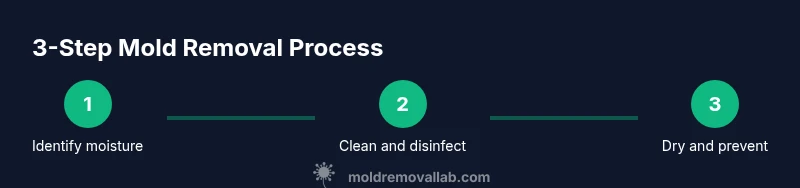
- Identify and fix moisture sources first
- Choose the cleaning method suited to surface porosity
- Dry surfaces thoroughly to prevent recurrence
- Replace degraded caulk and seal gaps
- Maintain ventilation to sustain mold-free conditions