Bath Mat Mold: A Practical How-To Guide
A practical, step-by-step guide to removing bath mat mold, selecting safe cleaners, drying completely, and preventing mold recurrence in bathrooms. Includes material-specific tips and safety considerations.


You will learn how to identify bath mat mold, safely clean and sanitize the mat, and dry it thoroughly to prevent recurrence. This guide covers material-specific cleaning methods, safer disinfectants, and practical prevention steps you can implement today. Whether your mat is cotton, microfiber, or rubber-backed, this answer helps you reduce spores, smells, and moisture pockets that invite mold. You’ll find quick safety notes, step-by-step actions, and pointers for future maintenance to keep bathrooms healthier.
Understanding Bath Mat Mold
Bath mat mold is a common problem in moisture-rich bathrooms. It develops when damp mats sit on tile or shower floors for extended periods, especially in humid climates or after hot, steamy showers. The dark, fuzzy growth you see is usually a mix of mold and mildew that feeds on organic fibers and residual skin cells. Traces of mold can transfer to towels, rugs, and even the mat’s backing, which keeps moisture trapped and creates a cycle of growth. According to Mold Removal Lab, mold thrives in bathrooms when ventilation is poor and mats remain damp for more than a few hours. To manage this issue, start with a quick assessment: identify the mat material, look for persistent odors, and note any discoloration that won’t wash out after standard cleaning. The aim is not fear but prevention: a dry mat and an open bathroom can dramatically reduce mold risk.
First, check the care label, if present. Materials like cotton fibers hold moisture and can be stubborn, while rubber-backed mats resist soaking but may trap dampness against backing. As you read the label, consider washing machine compatibility, recommended detergents, and any colorfast warnings. Keep in mind that mold spores can become airborne during vigorous scrubbing, so wear gloves and ensure good ventilation while cleaning. A quick routine—drying after showers and allowing the mat to air out—can break the mold growth cycle before it starts.
How Mold Spores Spread in Bathrooms
Mold spores roam easily in humid environments. In bathrooms, the combination of warm steam, damp fabrics, and limited airflow creates a hospitable setting where mold can spread to nearby surfaces. A single mold colony on a mat can release spores that travel onto towels, shower curtains, and even the grout lines of tile. This is why mold control is not only about cleaning the mat but also managing the bathroom’s climate. Especially in small or poorly ventilated bathrooms, spores accumulate quickly after a shower; they cling to fabric fibers and then proliferate as moisture remains. Reducing steam, improving ventilation, and ensuring mats dry promptly are critical preventative steps. Regular cleaning with surface-safe products and thorough rinsing helps minimize residual organic matter that feeds mold growth.
Materials, Safety, and Cleaning Agents
Before you begin, map out the cleaner strategy by mat type and any sensitivities to cleaners in your household. For cotton or microfiber mats, a gentle detergent with warm water is often sufficient, but you’ll want to disinfect if mold growth is visible or odors persist. For rubber-backed mats, avoid abrasive scrubs that can damage the backing; instead, focus on the surface and seams. When choosing disinfectants, non-chlorine options like white vinegar (5% acidity) combined with baking soda are effective for many mats, while hydrogen peroxide can offer additional disinfection on white or colorfast fabrics. Always test a small, inconspicuous area first to check colorfastness. Wear nitrile gloves, work in a well-ventilated area, and never mix cleaners like ammonia and bleach. If you or your household members have mold allergies or asthma, consider wearing a mask and using a fan or window near your cleaning station.
Cleaning Methods by Mat Type
Cotton and microfiber mats benefit from a routine wash with mild detergent and warm water. For persistent mold spots, create a gentle paste with baking soda and a splash of water, then scrub with a soft-bristled brush and rinse thoroughly. Rubber-backed mats tolerate stronger cleaning but can be damaged by rough scrubbing; use a softer brush on the backing, and avoid soaking the backing for long periods. For all mat types, vinegar can help kill mold and deodorize, but avoid using vinegar on natural stone surfaces nearby. After cleaning, rinse until the water runs clear and remove excess moisture with towels. Finally, air-dry the mat in a warm, sunny spot if possible, or use a dryer if the mat’s care label allows it. Remember: mold thrives where moisture lingers, so complete drying is essential.
Deep Cleaning and Disinfection Techniques
In cases of heavy mold growth, you may need a more thorough approach. Combine one part white vinegar with one part water in a spray bottle and apply to the mat, then scrub with a stiff brush. If the mat tolerates it, add a small amount of baking soda to create a mild abrasive felt. Rinse well, then apply hydrogen peroxide to sanitize. Note that hydrogen peroxide can degrade some dyes, so be cautious when applying to colored fabrics. After disinfecting, rinse again to remove residual cleaner. For colorfast mats that tolerate machine washing, a hot-water wash (as per the care label) with a quality detergent can help. Drying remains the most crucial step; warm or sun-dried mats dry faster and reduce residual moisture that fosters regrowth.
Drying, Storage, and Prevention
Drying is the most important control step after cleaning. Squeeze out as much water as possible, then lay the mat flat in a warm, dry space with good air circulation. Avoid folding damp mats or storing them in enclosed spaces before they are completely dry. A fan, dehumidifier, or window vent improves drying times and reduces the chance of re-growth. Elevating the mat off the floor with a small rack or mat gripper can improve airflow under the mat. If a mat continues to smell after cleaning or shows recurring mold growth, consider replacing it. Based on Mold Removal Lab research, consistent moisture control and quick cleaning are the most effective ways to prevent re-occurrence. The goal is a bathroom where damp areas are minimized and the air is moving freely.
When to Replace Your Bath Mat
If mold returns after multiple cleanings, or if the mat retains an unpleasant odor even after thorough cleaning and drying, replacement is typically the best option. Persistent staining, fraying fibers, or backing deterioration can harbor mold that’s impossible to remove completely. When in doubt, check the care label and consider replacement with a mat designed for quick drying and better airflow. A high-quality mat with a fast-drying backing can dramatically reduce future mold risk and make daily bathroom routines more comfortable. The Mold Removal Lab team recommends choosing mats with breathable materials and easy-to-clean surfaces to minimize moisture retention.
Common Mistakes and How to Avoid Them
Common mistakes include skipping drying, using harsh chemicals without testing colorfastness, and assuming a mat is mold-free after a quick rinse. Always test any cleaner on a small area first, ensure complete drying before storage, and ventilate the bathroom during and after cleaning. Quick preventative measures—such as using a fan, opening a window, or running a dehumidifier after showers—can dramatically cut mold risk. Finally, avoid storing mats in closed spaces where moisture can accumulate; instead, place them in a dry, well-ventilated area.
Tools & Materials
- Nitrile gloves(Protect hands from mold spores during cleaning)
- Stiff-bristled scrub brush(For stubborn stains and fibrous mats)
- White vinegar (5% acidity)(Antifungal; rinse after use)
- Baking soda(Deodorize and provide gentle abrasion)
- Mild laundry detergent or dish soap(General cleaning baseline)
- Hydrogen peroxide (3%)(Optional disinfection; test colorfastness first)
- Spray bottle(Mix and apply cleaning solutions)
- Bucket or large bowl(For mixing solutions)
- Clean towels or microfiber cloths(Rinse and dry mat surfaces)
- Washing machine (optional)(If mat is machine washable; check label)
- Ventilation source (fan or open window)(Improve air flow during cleaning)
Steps
Estimated time: 60-90 minutes
- 1
Inspect and assess mat material
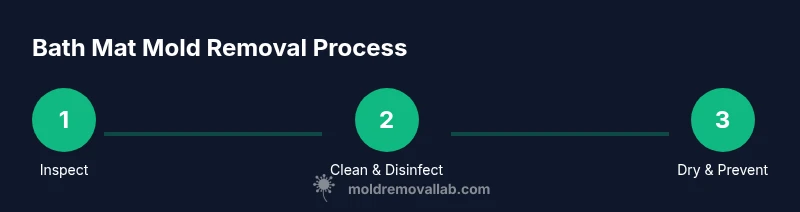
Begin by inspecting the mat and identifying its material. Check the care label for washing instructions and determine whether the mat tolerates heat, bleach, or peroxide. This helps you choose the safest, most effective cleaning method and prevents damage to fibers.
Tip: Wear nitrile gloves and keep a small area test patch to confirm colorfastness. - 2
Pre-treat visible mold spots
If you see visible mold, apply a light amount of white vinegar to the affected area and let it sit for 5–10 minutes. Vinegar alone can neutralize a portion of the mold and reduce surface odors before scrubbing.
Tip: Do not mix vinegar with bleach; this can create harmful gases. - 3
Choose the cleaning method by mat type
Cotton or microfiber mats respond best to a mild detergent wash, while rubber-backed mats benefit from surface-focused cleaning to avoid soaking the backing. For stubborn spots, a baking soda paste can help lift grime without harsh abrasion.
Tip: Always test on a small area first and follow care labels. - 4
Scrub and wash thoroughly
Scrub the mat in circular motions, paying particular attention to seams and edges where mold hides. Rinse with clean water until no soapy residue remains. Repeat if necessary for heavy staining.
Tip: Use a brush with medium stiffness to avoid fraying fibers. - 5
Disinfect with a safe agent
Disinfect the mat using a diluted solution of hydrogen peroxide or a vinegar-water mix if colorfast. Let sit briefly, then rinse again. For some mats, skipping peroxide is acceptable if thorough rinsing has occurred.
Tip: Never mix bleach with ammonia or vinegar; it can release toxic gases. - 6
Dry completely and redesign storage
Squeeze out excess water, then dry the mat completely in a warm, well-ventilated area or sunlit spot. Use towels to blot moisture and turn the mat periodically for even drying. Store only when fully dry to prevent re-growth.
Tip: Use a mat rack or elevate the mat to maximize air exposure. - 7
Reassess and monitor
After drying, inspect for any remaining odor or staining. If mold recurs within a few weeks, re-clean with a fresh approach or consider replacement.
Tip: Keep a short cleaning schedule—weekly quick wipe and monthly deep clean during high-humidity months. - 8
Prevent future mold growth
Improve bathroom ventilation, reduce humidity with a dehumidifier if needed, and ensure mats dry promptly after use. Regular maintenance reduces the chance of mold returning.
Tip: Place mats so air can circulate beneath; avoid folding damp mats for storage.
FAQ
Can bath mat mold be hazardous to health?
Yes. Prolonged exposure to mold can trigger allergies or respiratory irritation in sensitive individuals. Cleaning and drying the mat promptly reduces risk, and replacing heavily moldy mats is recommended when cleaning doesn’t fully resolve the issue.
Yes, mold can affect health, especially for sensitive people. Clean thoroughly and replace if odors persist.
Should I replace the mat if mold returns after cleaning?
If mold recurs after multiple cleanings and the backing or fibers show wear, replacement is usually the safest option. Persistent problems indicate the mat has molded beyond effective salvage.
If mold keeps coming back, replacement is likely the best option.
Is bleach safe for cleaning bath mats?
Bleach can be effective but may damage certain fabrics or discolor colors. Always test on a hidden area and avoid mixing with ammonia or vinegar. Use diluted solutions and ensure thorough rinsing.
Bleach can work, but test first and rinse well. Don’t mix cleaners.
What cleaners work best for different mat types?
Cotton and microfiber mats respond well to mild detergents, while rubber-backed mats benefit from surface cleaning and avoidance of saturated soaking. Vinegar, baking soda, and hydrogen peroxide are common options, depending on colorfastness and backing.
Mild detergents for most mats; use vinegar or baking soda for stubborn spots, check backing first.
How can I prevent mold developing in the future?
Improve bathroom ventilation, dry mats promptly after use, and store mats in a dry, well-ventilated area. Regular cleaning and quick drying after showers dramatically reduce mold risk.
Ventilate, dry quickly, and clean regularly to prevent mold.
Are there mold-safe mats I should consider?
Look for mats labeled as quick-drying, breathable backing, or antimicrobial-treated surfaces. Materials like dense cotton blends and certain synthetics dry faster and resist mold better than heavily absorbent fibers.
Choose mats with quick-dry materials and breathable backs.
Watch Video
The Essentials
- Identify mold promptly and act quickly
- Dry mats completely after cleaning to prevent regrowth
- Choose cleaners based on mat material and care label
- Ventilate bathroom to reduce moisture after showers
- Replace deeply molded mats when odors persist