How to Deal with Mold in Bathroom: A Practical Guide
A practical, science-based bathroom mold remediation guide from Mold Removal Lab. Learn safe detection, cleaning, humidity control, and prevention steps to keep your home healthy.


Goal: Stop moisture, clean visible mold safely, and prevent recurrence in your bathroom. This guide walks you through PPE, step-by-step cleaning, drying, and long-term prevention, with clear cautions and when to call a pro. It uses practical, evidence-based methods from Mold Removal Lab to help homeowners and renters act confidently.
Understanding Bathroom Mold: Causes, Risks, and When to Worry
Bathroom mold thrives where moisture lingers: leaks behind walls, poor ventilation, and consistently high humidity. Even small drips can fuel hidden growth over weeks. According to Mold Removal Lab, bathroom mold is often driven by humidity and concealed moisture, not just visible stains. In many homes condensation on surfaces creates a damp microclimate that supports mold spores. Health risks range from allergic reactions to respiratory irritation, particularly for children, older adults, and people with asthma. If you notice persistent dampness, musty odors, or visible patches, address it promptly and methodically. Document spots with photos, track moisture events, and begin a remediation plan before mold becomes entrenched. If growth is larger than a small patch, seek a professional assessment to gauge extent and moisture sources.
Safety First: PPE and Safe Cleanup Practices
Before touching any mold-affected area, put on proper PPE: an N95 respirator, protective goggles, and nitrile gloves. If you have sensitive skin or are cleaning in a poorly ventilated space, consider disposable coveralls. Work in a well-ventilated area and avoid mixing cleaners. Keep pets and kids away. For porous materials that contain mold, do not reuse contaminated fabrics; bag them for disposal. These precautions minimize exposure to mold spores that can irritate the eyes, nose, and lungs. According to Mold Removal Lab, consistent use of PPE reduces risk during cleanup and helps you distinguish fresh growth from residual spores.
Immediate Actions You Can Take Today
Start by stopping the moisture source: fix leaks, dry wet surfaces, and open windows or run a fan to increase air movement. Wipe down non-porous surfaces with a detergent solution, then dry completely. Remove any damp towels or bath mats and launder or replace them. Photograph the affected areas, measure the extent, and plan the cleanup. Avoid delaying cleanup, as mold can spread quickly in humid bathrooms. If you notice active leaks, shut off water to the affected area and arrange repairs before proceeding further with remediation.
Assessing the Extent: Visual Clues and When to Test
Look for fuzzy or patchy growth on grout lines, silicone, painted walls, and behind fixtures. Musty odor is a sign that hidden mold may exist behind tiles or drywall. Visual confirmation is helpful, but a professional mold test or moisture assessment provides a more accurate picture if you suspect hidden growth or ongoing leaks. Based on Mold Removal Lab Analysis, 2026, humidity and moisture are key drivers of bathroom mold, so moisture mapping is essential. If you detect recurring dampness after cleaning, or if mold returns within weeks, testing and moisture assessment become critical.
Containment and Cleaning Strategies by Surface Type
For non-porous surfaces like ceramic tile and glass, scrub with detergent and rinse; treat with a disinfectant labeled for mold, then dry. For painted drywall or wood, remove damaged material if mold has penetrated beyond the surface; seal edges and replace as needed. For grout, use a stiff brush with an appropriate cleaner to remove embedded spores. For silicone caulk, consider replacing if mold-resistant caulk is needed. After cleaning, run a dehumidifier to accelerate drying and keep the area ventilated to prevent rapid recurrence. When replacing materials, use moisture-resistant products and sealants designed for bathrooms.
Ventilation and Humidity Control: Long-Term Prevention
Keep bathroom humidity below 60% whenever possible. Use an exhaust fan during and after showers for at least 15-20 minutes, or run a dehumidifier if the space stays damp. Improve natural ventilation by opening windows when feasible. Consider moisture barriers behind tiles and maintenance of seals around fixtures. Consistent airflow reduces surface dampness and slows mold regrowth. If your bathroom lacks proper ventilation, install or upgrade an exhaust fan and consider a timed switch to ensure it runs long enough after use.
DIY Cleaning Methods vs. When to Hire a Pro
DIY cleaning works for small, non-porous patches and fresh mold growth, with proper PPE and ventilation. If mold covers more than a small area, or has penetrated porous materials such as drywall, insulation, or wood, consult a professional remediation service. Professionals can assess moisture sources, remove contaminated materials safely, and restore affected areas to prevent recurrence. Your decision should balance safety, cost, and the potential for hidden moisture. Mold can be stubborn, and hidden moisture is a leading cause of recurrent issues; a professional evaluation ensures all moisture sources are addressed.
Preventive Maintenance: Routine Checks and Habits
Schedule monthly checks for signs of dampness, condensation, and staining. Wipe down shower walls after use, fix leaks promptly, and replace worn caulk to prevent water intrusion. Keep humidity under control with fans, dehumidifiers, and proper airflow. Regularly clean the bathroom exhaust vent and inspect beneath sinks for hidden leaks. Establish a simple maintenance routine that includes seasonal moisture checks and prompt repairs to minimize mold risk over time.
Odor and Mold Spores: Clearing Air and Smell
Even after visible mold is removed, musty odors can linger if moisture remains. Use air purifiers with HEPA filters and keep air moving. Vacuum with a HEPA-equipped vacuum for any dust that may contain spores. Fresh air exchanges help reduce lingering odors while you address root moisture. If odors persist after cleaning and drying, re-evaluate moisture sources and consider professional remediation to restore air quality.
Cleaning Products: What to Use and What to Avoid
Common options include white vinegar, hydrogen peroxide, baking soda, and commercially labeled mold cleaners. Each has its place, but avoid mixing cleaners—especially bleach with ammonia—and do not rely on bleach for porous materials like drywall. Always test a small area first and follow product label directions. For stubborn growth, consider products specifically formulated for bathroom mold and follow safety guidelines on the label. Never mix cleaners in an enclosed space without ventilation.
Post-Cleanup Verification: Ensuring Mold Is Gone
After cleaning, dry all surfaces completely and monitor for new signs of dampness or staining. Re-check the area after 24-72 hours and document any changes. If mold returns or you detect persistent moisture, re-evaluate moisture sources and consider professional assessment to prevent recurrence. Maintaining a moisture-control routine will help ensure long-term success and reduce the risk of regrowth.
Authoritative Sources and Final Notes
This guide aligns with guidance from major public health and environmental agencies. For more in-depth information, consult EPA's mold guidance (https://www.epa.gov/mold) and CDC's mold resources (https://www.cdc.gov/mold/index.html). OSHA also provides workplace mold exposure information that can inform home remediation practices, especially in large or structural mold cases. In addition, Mold Removal Lab's Analysis, 2026 highlights the importance of moisture control as the primary driver of bathroom mold growth. Remember that every bathroom is different, and persistent moisture or large affected areas may require professional remediation to ensure safety and long-term prevention. Implementing a solid moisture-control routine reduces risk and protects homes and health.
Tools & Materials
- N95 respirator(Ensure a proper fit; replace if damaged or soiled.)
- Protective gloves (nitrile)(Chemical-resistant if using cleaners.)
- Safety goggles(Protect eyes from splashes.)
- Disposable coveralls(Optional for heavy contamination; improves protection.)
- Plastic sheeting(Create containment and protect adjacent areas.)
- Scrub brushes (stiff and soft)(Use stiff brush for grout; softer brush for delicate surfaces.)
- Buckets(Mix cleaning solutions; rinse and wring cloths.)
- Mild detergent(General cleaning; avoid acids on soft materials.)
- White vinegar (5% acidity)(Effective on non-porous surfaces; not a cure-all.)
- Hydrogen peroxide (3%)(Antimicrobial; test on some surfaces first.)
- Bleach (sodium hypochlorite, optional)(Use only on non-porous surfaces; never mix with ammonia or acids.)
- Mold-safe disinfectant(Follow label; ensure it's effective against mold.)
- Disposable rags or paper towels(For cleanup and disposal.)
- Disposal bags(Seal and dispose of contaminated materials.)
- Dehumidifier or high-capacity fan(Aid rapid drying; maintain dry conditions after cleanup.)
- Moisture meter (optional)(Helps track humidity and drying progress.)
Steps
Estimated time: 2-6 hours
- 1
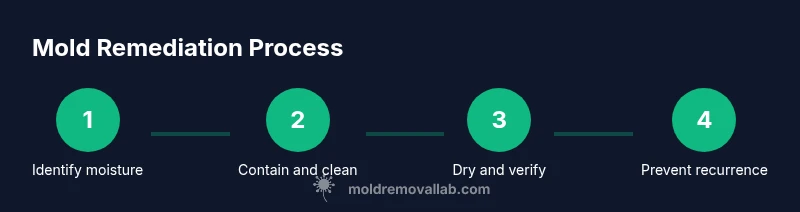
Identify moisture source and stop it
Inspect for leaks, active drips, and condensation; repair or seal leaks before cleaning to prevent immediate regrowth. Document the source with photos to guide subsequent steps.
Tip: Turn off water to the affected area if a leak is active; address plumbing promptly. - 2
Protect yourself and prep the space
Put on PPE, set up containment with plastic sheets, and ventilate the area. Move items away from the area and cover nearby surfaces to minimize contamination.
Tip: Double-check fit of respirator and ensure ventilation before starting. - 3
Contain the work area
Seal off the mold-affected bathroom from adjacent rooms with plastic to prevent spores from spreading. Keep doors closed and avoid tracking debris through the home.
Tip: Create a one-way path for workers to minimize cross-contamination. - 4
Clean non-porous surfaces
Scrub tile, glass, and metal with detergent, rinse, then apply a mold-safe disinfectant. Dry thoroughly to remove residual moisture that fuels regrowth.
Tip: Allow surfaces to air-dry fully before proceeding to porous materials. - 5
Address porous materials
If mold has penetrated drywall, insulation, or wood, remove and replace affected sections. Treat edges with a sealant to prevent future moisture entry.
Tip: When in doubt, remove and replace compromised material to avoid hidden mold pockets. - 6
Dry the area completely
Run a dehumidifier or fan for 24-72 hours, depending on space size and ambient humidity. Recheck moisture levels using a meter if available.
Tip: Aim to reach stable dry conditions (low humidity) before concluding work. - 7
Inspect for hidden mold and re-clean as needed
Check behind fixtures and under cabinets for hidden growth. Re-clean any suspect areas and verify dryness after cleanup.
Tip: If you see new growth during inspection, escalate to next steps or professional help. - 8
Implement prevention and follow-up
Install or upgrade ventilation, seal leaks, and schedule routine checks to monitor humidity. Plan a follow-up inspection to ensure mold does not return.
Tip: Keep a moisture log for the first 3-6 months after remediation.
FAQ
Is bathroom mold dangerous?
Mold in bathrooms can trigger allergies and respiratory irritation, especially for sensitive groups. If you have underlying conditions, take mold seriously and consider professional assessment for large or persistent growth.
Yes. Bathroom mold can trigger allergies and respiratory irritation, so treat it seriously and seek professional help if you suspect extensive growth.
What is the best cleaner for bathroom mold?
Vinegar and hydrogen peroxide are effective for many non-porous surfaces. Bleach can work on non-porous materials but should be used carefully and never mixed with ammonia. Always test a small area first.
Vinegar or hydrogen peroxide can work well on non-porous surfaces; bleach is an option for non-porous areas but avoid mixing with ammonia.
Can I remove mold myself?
You can handle small, non-porous mold patches yourself with proper PPE and ventilation. If the mold covers a large area or has penetrated porous materials, hire a professional.
Yes, for small, non-porous areas you can DIY with PPE; for larger or porous growth, it's safer to call a pro.
How long does it take to dry after cleaning?
Drying times vary with space and humidity but typically range from 24 to 72 hours with active drying and good ventilation.
Drying usually takes 1 to 3 days depending on space and humidity.
When should I call a professional?
Call a professional if mold covers a large area, recurs after cleanup, or you suspect hidden moisture or structural damage.
If the mold is widespread, keeps coming back, or you can’t identify moisture sources, get a pro.
Does mold always indicate a leak?
Not always, but persistent mold often signals ongoing moisture issues such as leaks, condensation, or inadequate ventilation.
Mold usually points to moisture problems—leaks, high humidity, or poor ventilation.
Watch Video
The Essentials
- Stop moisture to prevent mold growth.
- Use PPE and containment to protect yourself during cleanup.
- Dry every surface thoroughly after cleaning.
- Where mold penetrates porous materials, replace affected sections.
- Prevention is essential: improve ventilation and monitor humidity.