What to Do If Mold in Bathroom: A Practical Guide
A practical, safe, step-by-step guide for addressing mold in bathrooms, from safety and moisture control to cleaning, remediation, and prevention—aligned with Mold Removal Lab guidance.


To address mold in a bathroom, start with safety and moisture control. Ventilate the space, don PPE, and isolate the affected area. Clean non-porous surfaces with a suitable cleaner, and consider professional help if growth is extensive or behind walls. This guide provides a step-by-step, surface-by-surface approach to safe remediation and prevention.
What bathroom mold is and why it grows
Bathroom mold is a type of fungi that thrives in damp, poorly ventilated spaces. In showers, sinks, or behind tiles, mold can appear as green, black, or white spots. Understanding the conditions that allow mold to prosper helps homeowners prevent recurrence. According to Mold Removal Lab, moisture is the primary driver: leaks, high humidity, and insufficient ventilation create a hospitable environment for spores to settle and multiply. Mold can start small—often invisible behind walls—and become visible as patches within days or weeks. The good news is that with a systematic approach to moisture control and cleaning, most bathroom mold can be remediated without dramatic interventions. The key is to act early, clean safely, and address the root causes to stop it from returning. Throughout this guide, you’ll see practical, surface-by-surface steps, plus when to call a pro for stubborn or extensive growth.
Immediate safety actions you can take today
Safety comes first. Put on an N95 respirator, non-latex gloves, and eye protection. Ventilate the bathroom by opening a window or turning on a fan, but avoid creating cross-contamination to other areas. If the mold is on items that you can't clean, seal them in a bag and move them out if possible. Do not mix cleaning agents; avoid spraying bleach directly on porous materials or across large areas. Isolate the area by closing the door and, if feasible, cover vents with plastic to prevent spores from traveling through the house. If you have asthma or allergies, limit exposure and consider wearing a respirator outside the room while you work.
Identify moisture sources and limit spread
Before cleaning, find where the moisture is coming from. Look for leaks around faucets, toilets, shower pans, pipes, or damp areas behind tiles. Inspect for condensation on windows or walls, and check under sinks and in cabinets. Control moisture by repairing leaks promptly, increasing ventilation during and after showers, and reducing humidity with fans or a dehumidifier. Keep bathroom doors open after use to improve air flow when safe to do so; avoid letting towels stay damp. Document sources and plan repairs; if the moisture cannot be stopped quickly, call a licensed plumber or contractor. By removing the moisture source, you reduce the available nourishment for mold and lower the chance of recurrence.
Cleaning strategies by surface type
Different surfaces require different approaches. Non-porous surfaces like ceramic tiles, glass, and chrome are more forgiving; mold can often be lifted with a simple cleaner. Porous materials like drywall, grout, or wood behind panels may require gentler cleaners and thorough drying to prevent regrowth. Safer cleaning options include plain water with a mild detergent, white vinegar, or hydrogen peroxide applied to the affected area. For non-porous surfaces, you can apply a cleaner, scrub with a brush or sponge, rinse, and dry. For porous materials that can be removed or replaced, consider removing damaged sections and replacing them. Avoid using harsh chemical fumes in small bathrooms; ensure good ventilation during cleaning. After cleaning, dry surfaces completely and dispose of contaminated cleaning materials.
When and why to call a professional
Not all mold growth is a DIY job. If mold covers a large area, returns after cleaning, or you suspect mold behind walls, call a professional remediator. If you encounter sewage-contaminated mold, or if you are dealing with materials like drywall or insulation that are moldy, professional intervention is safer and more effective. A licensed mold professional can assess hidden moisture, perform more extensive remediation, test for remaining spores, and advise on prevention strategies. The Mold Removal Lab Team recommends seeking help when you're unsure about the extent or safety of the cleanup.
Prevention: keeping your bathroom mold-free
Prevention is the best defense against recurring mold. Focus on moisture control: run exhaust fans during showers, fix leaks promptly, and keep humidity levels manageable. After showering, wipe down surfaces and dry towels and mats. Use mold-resistant paints on walls and consider moisture barriers behind tiles. Regularly inspect caulk seams and grout; re-caulk where needed. Keep bathroom accessories dry and store items off damp surfaces. Consider using a dehumidifier in humid climates and ensure proper ventilation.
Health considerations and documentation
Mold exposure can affect some people more than others, particularly individuals with allergies or respiratory sensitivities. If you notice persistent coughing, sneezing, or eye irritation after remodeling or cleaning, reduce exposure and seek medical advice. In parallel, document your remediation steps: take photos before and after cleaning, note moisture repairs, and monitor humidity levels over time. Keeping records helps you track what worked and what didn’t, and it provides context if you seek professional help later. At all times, prioritize safety and avoid disturbing mold in ways that could disperse spores.
What to do after remediation: monitoring and maintenance
Once you’ve completed remediation, continue to monitor the space for new signs of moisture and odor. Re-check seals around fixtures, test for condensation, and run ventilation regularly. Maintain a cleaning routine that targets damp corners, and address any new leaks immediately. Schedule periodic inspections, especially in climates with high humidity or frequent rain. Ongoing vigilance—the combination of moisture control and timely cleaning—helps keep bathrooms mold-free over the long term.
Tools & Materials
- N95 respirator(Fit-tested if possible; replace if damaged)
- Disposable gloves(Latex-free; two pairs for handling contaminated items)
- Goggles or face shield(Eye protection against splashes and spores)
- Plastic sheeting or drop cloths(To contain the work area and protect belongings)
- Spray bottle(For applying cleaners and solutions)
- Scrub brushes and sponges(Different textures for tile, grout, and flat surfaces)
- Cleaning solutions(White vinegar, hydrogen peroxide, and mild detergent; avoid mixing chemicals)
- Bucket(For rinsing and holding tools during cleaning)
- Microfiber cloths(For wiping and drying surfaces)
- Trash bags(Seal contaminated materials before disposal)
- Moisture meter (optional)(Helps detect hidden moisture behind walls or under floors)
- HEPA vacuum (optional)(For cleanup of spores after removal (if available))
Steps
Estimated time: 2-4 hours (plus drying time)
- 1
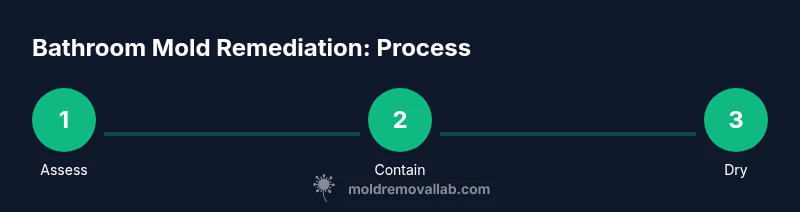
Assess area and identify moisture source
Begin by locating visible mold and any signs of moisture. Look for leaks, condensation, and dampness around showers, sinks, and fixtures. This helps determine both cleanup scope and needed repairs to prevent recurrence.
Tip: Document mold size and moisture points with photos before starting cleanup. - 2
Wear PPE and ventilate
Put on an N95 respirator, goggles, and gloves. Open windows or run a fan to improve air flow, but avoid blowing air directly at mold to prevent spread.
Tip: Perform work gradually to avoid overheating or fatigue during the process. - 3
Contain the work area
Seal off the affected zone with plastic sheeting to prevent mold spores from traveling to other rooms. Keep doors closed and avoid accessing the area unnecessarily.
Tip: Move contents away from the mold and cover nearby items. - 4
Choose and prepare a cleaning solution
Select an appropriate cleaner for the surface (non-porous vs porous). Prepare the solution in a labeled spray bottle and test a small area first to ensure no surface damage occurs.
Tip: Avoid mixing cleaners; use one product at a time in the same area. - 5
Scrub and clean surfaces
Apply cleaner and scrub mold from non-porous and porous surfaces with appropriate brushes or sponges. Focus on grout lines and corners where growth hides.
Tip: Use firm, circular motions and avoid over-wetting porous materials. - 6
Rinse and dry thoroughly
Rinse surfaces with clean water and dry completely using towels or a fan. Moisture is a key driver for regrowth; ensure surfaces reach a dry state.
Tip: Use a dehumidifier if humidity remains high after cleaning. - 7
Dispose of contaminated materials
Place all used wipes, brushes, and contaminated materials in sealed bags before disposal. Clean tools separately to prevent cross-contamination.
Tip: Do not reuse disposable PPE; replace if visibly soiled. - 8
Reassess and plan prevention
Return to the area after drying to confirm no remaining mold spots. Plan moisture-control measures to prevent future growth, such as better ventilation and timely repairs.
Tip: Keep a maintenance diary to track humidity and leaks.
FAQ
What causes bathroom mold to grow?
Mold grows where moisture and poor airflow meet. Leaks, high humidity, and insufficient ventilation create conditions that allow spores to thrive. Fixing moisture and improving ventilation are the first lines of defense.
Mold grows where there’s moisture and air that isn’t circulating well; fix leaks and improve ventilation to stop it.
Is it safe to clean mold in a bathroom yourself?
Small, clearly visible patches on non-porous surfaces can often be cleaned safely with proper PPE and careful cleaning. If mold covers a large area, has penetrated walls, or you’re unsure of the extent, consult a professional.
You can clean small mold spots, but if the area is large or hidden, call a pro.
Should I use bleach to clean bathroom mold?
Bleach can kill surface mold on non-porous surfaces but is not ideal for porous materials and can create fumes in enclosed spaces. Safer alternatives like vinegar or peroxide are often effective and safer in bathrooms.
Bleach isn’t always the best choice, especially on porous materials; consider safer cleaners first.
How long does it take to remediate bathroom mold?
Time varies with the size of the problem and moisture level. Plan for several hours of cleaning and drying, with longer drying times if walls or insulation are affected.
Remediation time depends on the extent and ventilation; expect several hours to days if large areas are involved.
Can mold come back after cleaning?
Yes, mold can return if moisture isn’t controlled. After cleaning, address leaks, dry thoroughly, and maintain ventilation to prevent recurrence.
Mold can come back if you don’t manage moisture afterward.
When should I replace materials like drywall?
If mold has penetrated porous materials such as drywall or insulation, replacement is often necessary to remove hidden growth and prevent recontamination.
If mold has penetrated walls or insulation, you’ll likely need to replace those materials.
Watch Video
The Essentials
- Act quickly to reduce mold growth.
- Prioritize moisture control as the core preventive measure.
- Use surface-appropriate cleaners and dry thoroughly.
- Ventilate during and after cleaning to prevent recurrence.
- Know when to call a professional for extensive or hidden mold.