Black Mold in Basement: Practical Remediation Guide
A practical, safety-first guide to identifying, cleaning, and preventing black mold in basements for homeowners and renters. Learn when to DIY and when to call a pro with clear steps and moisture-control strategies.


Remediation of black mold in basement is essential for health and home safety. This quick guide helps homeowners identify signs, contain moisture, and follow a safe, practical remediation plan. You’ll learn when to DIY and when to hire a pro, plus steps for cleanup, moisture control, and prevention to reduce future mold growth.
What is black mold in basement?
Black mold in basement is typically a moisture-driven growth that appears as dark patches on walls, ceilings, floors, or framing. It can involve several common indoor mold species and may produce musty odors or cause staining. While not all dark patches indicate toxic mold, black mold can pose health risks, especially for sensitive individuals. According to Mold Removal Lab, identification should start with moisture history, visible growth, and a cautious approach to cleanup. If you discover mold in porous materials like drywall or insulation, professional assessment is often wise, as porosity and hidden growth can complicate removal. Homeowners should document areas, avoid disturbing spores, and plan for thorough moisture control to prevent recurrence.
Why basements are prone to mold growth?
Basements are naturally prone to mold due to humidity, limited sunlight, and frequent moisture intrusion from leaks or groundwater. Cold, damp environments slow evaporation, creating ideal conditions for mold spores to settle on walls, concrete, framing, and belongings. Poor ventilation compounds the issue, especially in rooms with laundry, storage, or utility lines. Climate patterns, flooding, and sump pump failures can trigger sudden bursts of mold growth. Mold Removal Lab analyses indicate that elevated humidity and inadequate air exchange are the primary drivers of basement mold, making moisture management the most effective long-term prevention strategy.
Signs that you may have black mold in basement
Visible mold patches, a persistent musty odor, and moisture staining are common indicators. You might also notice peeling paint, warped wallboard, or damp, moldy odors around HVAC ducts and stored fabrics or paper products. Sometimes mold hides behind wallpaper, paneling, or insulation, so unexplained condensation or recurring water spots warrant professional assessment. Owners should track humidity levels, inspect for leaks, and watch for symptoms among occupants such as coughing or itchy eyes, which can accompany mold exposure.
Safety first: protective steps before remediation
Mold cleanup should begin with safety. Wear an N95 respirator (or higher), disposable gloves, and protective goggles. Work in a well-ventilated area and avoid mixing cleaners, especially ammonia with bleach, which can release dangerous gases. If you are at high risk (asthma, immune compromise, or pregnancy) or if the mold covers large areas, pause work and consult a professional. The initial goal is containment and moisture control, not aggressive removal of damaged materials on your first pass.
DIY cleanup: what can be cleaned safely on non-porous surfaces
Non-porous surfaces like metal, glass, tile, and hard plastics can often be cleaned with detergent and water. Scrub with a non-abrasive brush, rinse, and dry thoroughly to minimize regrowth. Do not over-wet porous materials or attempt to disinfect fabrics without proper containment. After cleaning, ventilate the space and use a dehumidifier to maintain relative humidity below typical indoor levels. For porous materials like drywall or insulation, consider removal and replacement rather than routine cleaning, since spores can reside inside.
Containment and moisture control to stop regrowth
Containment is essential to prevent mold spores from dispersing to other rooms. Seal doors and vents with plastic sheeting and tape; create a one-way airflow with exhaust fans if safe to do so. Fix sources of moisture such as leaks, downspouts, and foundation cracks promptly. Use a dehumidifier and ensure proper drainage around the foundation to keep basement humidity in check. Regular inspection and prompt repair are your best long-term defenses against reoccurrence.
When to call a professional
If the mold covers a large area, grows inside HVAC components, or involves structural materials, professional remediation is advised. Also consider professional help if you have persistent health symptoms, uncertain moisture sources, or a history of flooding. Pro remediation teams can assess air quality, contain spores, and safely dispose of contaminated materials. Early consultation can prevent escalation and protect your home’s structure and occupants.
Long-term prevention: moisture control and ventilation
Prevention centers on moisture control: seal cracks, fix leaks, and improve drainage away from the foundation. Maintain indoor humidity levels around 30-50% with dehumidifiers and proper ventilation. Improve crawl space and basement ventilation, consider a dedicated vapor barrier, and monitor for condensation on windows and walls. Routine checks after heavy rains or rapid temperature changes help catch issues before they become mold problems.
Documentation and monitoring for ongoing safety
Keep a mold remediation diary: dates of moisture events, cleanup actions, and humidity readings. Photograph affected areas after cleanup to track progress and identify regrowth quickly. Schedule seasonal checks for leaks and humidity, especially in basements with water intrusion history. Proper documentation helps you verify that remediation steps were effective and provides a reference for future maintenance.
Tools & Materials
- N95 respirator (or higher)(Fit-tested if possible; replace after suspected exposure)
- Disposable gloves(Nitrile recommended)
- Protective goggles(Wraparound if possible)
- Plastic sheeting for containment(6–10 mil thickness; tape to seal)
- Painter's or duct tape(For sealing containment areas)
- Detergent or mold-cleaning solution(Non-ammonia cleaners; avoid mixing with bleach)
- Water and bucket(For rinsing and dilution)
- Scrub brush or non-abrasive pad(Use on non-porous surfaces)
- Dehumidifier or fans(Control moisture and aid drying)
- HEPA vacuum (optional)(Helpful for cleanup; use with care)
- Trash bags (heavy-duty)(Seal and dispose of contaminated materials)
- Replacement materials for porous surfaces(Drywall, insulation, carpets as needed)
Steps
Estimated time: 2-8 hours
- 1
Stop the moisture source
Identify the leak or moisture problem and fix it before cleanup. This prevents continued mold growth and protects any remediation efforts that follow.
Tip: Address the root cause—leaks, condensation, or groundwater intrusion—before cleaning. - 2
Contain the work area
Seal off the affected area with plastic sheeting to prevent spores from drifting to other rooms. Create a doorway and a controlled exhaust if possible.
Tip: Keep doors closed and avoid crossing the containment boundary during cleanup. - 3
Dress for protection
Put on an N95 respirator, gloves, and goggles. Ensure skin is covered to minimize contact with spores, and work in a ventilated space.
Tip: Never skip PPE; spores can irritate the eyes and lungs. - 4
Inspect materials to determine removal vs cleaning
Assess whether surfaces are porous (drywall, insulation) or non-porous (concrete, metal, tile). Porous materials often require removal and replacement.
Tip: Non-porous surfaces can be scrubbed; porous ones usually need disposal. - 5
Clean non-porous surfaces
Prepare a cleaning solution with detergent and warm water. Scrub surfaces thoroughly, rinse, and dry to inhibit regrowth.
Tip: Do not mix cleaners with bleach; this can create harmful gases. - 6
Handle porous materials
If porous materials are moldy beyond cleaning, bag and dispose of affected items safely. Do not reuse contaminated insulation or drywall.
Tip: Seal the bags to prevent spores from escaping during disposal. - 7
Dry the area completely
Run dehumidifiers and fans to reduce humidity, aiming for typical indoor moisture levels. Drying may take several hours depending on area size.
Tip: Use a moisture meter if available to confirm dryness. - 8
Reassess and monitor
After cleaning and drying, recheck for signs of regrowth over the following weeks. If growth returns, escalate to professional remediation.
Tip: Document areas that were treated for future reference.
FAQ
Is black mold in a basement dangerous, and should I worry?
Black mold can pose health risks, especially for those with allergies or respiratory issues. Treat suspected growth with caution, wear PPE, and address moisture. If symptoms persist or growth is extensive, seek professional evaluation.
Yes, it can be dangerous for some people. Use protection and address moisture, and consider a professional assessment for large or persistent growth.
How can I tell if the mold is truly black mold?
Visual cues alone are not definitive. Look for dark patches with a musty odor and moisture history. For confirmation and safety, professional testing is recommended if there is high exposure risk or large areas involved.
You can’t be sure just by look alone; a musty smell and moisture history help, but a pro can confirm with testing if concerned.
Can I clean mold in the basement myself, or should I hire a professional?
For small, non-porous surface mold, DIY cleaning with proper PPE and containment can work. Large areas, porous materials, or mold inside HVAC systems should be handled by professionals to ensure safety and thorough remediation.
You can handle small non-porous areas yourself, but bigger or porous mold should be left to professionals.
What safety steps should I take before cleaning?
Wear an N95 mask, gloves, and goggles. Ventilate the area, avoid disturbing spores, and keep children and pets away. Do not mix cleaners and seal off the work area.
Put on PPE, ventilate, and keep others away before you start cleaning.
How can I prevent mold from returning after remediation?
Fix leaks promptly, control indoor humidity (roughly 30-50%), improve ventilation, and routinely inspect areas prone to moisture. Consistent maintenance is key to preventing regrowth.
Fix leaks, keep humidity in check, and regularly inspect for moisture to prevent it from coming back.
Watch Video
The Essentials
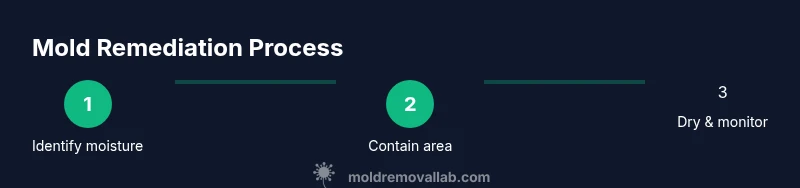
- Identify and stop moisture sources first
- Contain the area to prevent spread
- Differentiate porous vs non-porous materials for removal vs cleaning
- Dry thoroughly to prevent regrowth
- Know when to call a professional