Basement with Mold: Practical Remediation Guide
Learn how to identify basement mold, locate moisture sources, and safely remediate growth with a practical, step-by-step plan. Includes tools, safety, moisture control, and follow-up checks for lasting results.


Goal: identify basement mold, locate moisture sources, and implement a practical remediation plan. This quick guide covers safety practices, cleaning steps, moisture control, and prevention strategies. It also lists essential tools, expected timelines, and how to verify results to protect occupants and the structure, plus signs when professional help is warranted.
Understanding basement with mold and why it appears
Mold in basements is growth caused by persistent moisture, poor ventilation, and limited sunlight. According to Mold Removal Lab, basement mold problems typically begin with hidden moisture intrusion such as leaks, condensation on cold surfaces, or high humidity. When mold spores land on a damp surface, they can quickly colonize, especially on porous materials like drywall, wood, and insulation. In homes, basements provide ideal conditions: cool, damp air, limited air circulation, and often hidden leaks behind walls or under floors. A healthy home usually has moisture levels below 50% relative humidity; basements above this threshold sustain mold growth. The key health concerns include allergic reactions and respiratory irritation, particularly for occupants with asthma or compromised immune systems. Early detection helps minimize structural damage and reduces costly remediation later.
Common moisture sources in basements
Basements commonly develop mold due to a handful of moisture pathways. Look for leaks from roofs, gutters that overflow, and foundation cracks that allow groundwater intrusion. Condensation forms on cold concrete walls when interior humidity rises, especially during humid seasons or rapid temperature changes. Poor drainage around the foundation and sump pump failures contribute to damp, stagnant air. HVAC systems can circulate humid air if not properly vented or filtered. Regularly inspecting for damp patches, staining, and musty odors will help detect hidden moisture before mold becomes widespread.
Health and safety considerations before you start
Working with basement mold can affect sensitive individuals. Wear a properly fitted respirator (NIOSH-approved), eye protection, and disposable coveralls to minimize exposure. Ventilate the area as much as possible but avoid cross-contamination by isolating the work zone with plastic sheeting. Never mix bleach with ammonia or other cleaners; this can release toxic fumes. If mold growth covers more than 10 square feet, or if you have asthma, a compromised immune system, or visible damage to structural materials, call a professional. Keep children and pets away during remediation and dispose of contaminated materials safely.
Essential tools and protective gear
To safely begin basement mold remediation, gather the following essentials: a HEPA vacuum, HEPA-rated respirator, disposable coveralls, nitrile gloves, safety goggles, plastic sheeting, duct tape, a moisture meter, a dehumidifier, a bucket and scrub brushes, and several sturdy trash bags. For surface cleaning, use non-ammonia soap or detergent on non-porous materials and a mold-killing solution designed for porous surfaces. Always have extra trash bags and cleaning rags on hand for contamination control and cleanup.
Overview of a comprehensive remediation approach
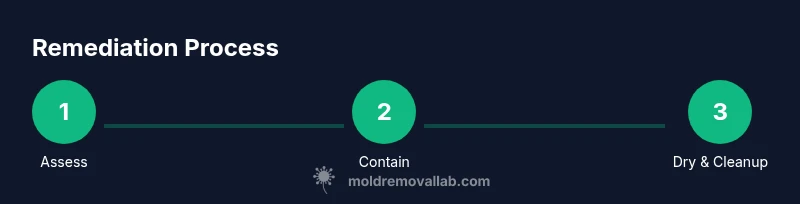
A structured approach reduces risk and improves results. Start with containment to prevent mold spread. Identify and fix moisture sources, dry the area quickly, and remove or treat affected materials. Clean remaining surfaces with appropriate cleaners, then seal or replace compromised porous materials where needed. Finally, implement moisture control strategies like continuous dehumidification, improved ventilation, and routine inspections to prevent recurrence. This overview emphasizes safety, efficiency, and long-term prevention rather than a one-off cleanup.
Cleaning methods for different basement surfaces
Concrete walls and stone floors can be scrubbed with detergent and water, then treated with a mold-specific solution. Porous materials such as drywall or insulation often require removal and disposal if mold has penetrated deeply. Wooden studs can be treated after drying, but severely infested wood may need replacement. Use non-abrasive brushes for delicate surfaces and avoid over-wetting wood to prevent further deterioration. After treatment, ensure surfaces are completely dry using a dehumidifier and airflow for several days.
Moisture control strategies to prevent recurrence
The best defense against basement mold is ongoing moisture control. Repair foundation leaks promptly and maintain exterior grading to direct water away. Install or repair a vapor barrier, improve sump pump reliability, and run a high-efficiency dehumidifier to keep relative humidity below 50%. Use fans or an air exchanger to increase air turnover. Regularly monitor humidity with a meter and perform seasonal inspections before and after wet periods.
When to call a professional and what to expect
If mold covers a large area, involves HVAC systems, or you are unsure about indoor air quality, professional remediation is advised. Look for licensed mold remediation specialists with clear, written remediation plans and post-remediation verification. A pro will typically seal the work area, use containment to prevent spread, remove damaged materials, and perform air clearance testing. Expect a transparent assessment, a detailed scope of work, and a clean, documented finish.
Documentation, follow-up checks, and maintenance
Keep records of moisture readings, cleaning products, materials removed, and dates of remediation steps. Recheck the basement weekly for the first month, then monthly for the first year. Maintain humidity under 50%, inspect for new leaks after heavy rainfall, and re-run dehumidifiers during humid seasons. This ongoing vigilance helps ensure long-term safety and prevents recurrence of basement mold.
Quick-start checklist for a basement mold job
- Identify moisture sources and contain the area
- Put on PPE and ventilate safely
- Clean non-porous surfaces, seal where possible
- Remove porous materials if moldy beyond cleaning
- Dry completely with dehumidifiers and airflow
- Monitor humidity and re-inspect regularly
- Document findings and plan follow-up inspections
Tools & Materials
- N95/ P100 respirator or better(NIOSH-approved; ensure proper fit)
- Disposable coveralls(Long sleeves, full coverage)
- Safety goggles(Seal around eyes)
- Gloves (nitrile/latex)(Disposal after use)
- HEPA vacuum(HEPA-filtered, avoid spreading spores)
- Spray bottle with detergent(Mild soap or cleaner for non-porous surfaces)
- Mold-killing solution (non-ammonia)(Follow product label directions)
- Plastic sheeting and tape(Create containment barriers)
- Drop cloths or old towels(Protect floors and furniture)
- Squeegee or stiff-bristled brush(Scrub stubborn patches)
- Buckets and rags(For rinsing and cleanup)
- Dehumidifier(Maintain RH below 50%)
- Moisture meter / hygrometer(Track humidity levels)
- Trash bags (heavy-duty)(Seal and dispose of contaminated materials)
- Corded or cordless flashlight(Inspect dark corners)
Steps
Estimated time: 4-8 hours
- 1
Assess scope and safety
Evaluate affected area and determine if immediate safety actions are needed. Notify occupants, check for structural damage, and plan containment to prevent spore spread.
Tip: Document the initial condition with photos before starting cleanup. - 2
Contain the work area
Install plastic sheeting to isolate the space. Seal doors and vents to prevent cross-contamination, and turn off HVAC to avoid circulating spores.
Tip: Keep pass-throughs sealed; use tape to secure seams thoroughly. - 3
Put on PPE and ventilate
Wear a well-fitted respirator, gloves, goggles, and coveralls. Ventilate the space from outside if possible, without pulling mold spores into other rooms.
Tip: Test fit of respirator before entering the work area. - 4
Address moisture sources
Repair leaks, improve drainage, and ensure the area is dry before cleaning. If the source is ongoing, remediation will fail or reoccur.
Tip: Fix foundation cracks with proper sealant and verify with a moisture meter. - 5
Clean non-porous surfaces
Wipe surfaces with detergent, rinse, and apply a mold-killing solution according to label directions. Avoid mixing cleaners that produce fumes.
Tip: Rinse and dry after cleaning to prevent returning moisture. - 6
Treat porous materials with caution
Porous items with mold should be evaluated for salvageability. Remove these materials if contamination is deep or growth is widespread.
Tip: When in doubt, replace rather than attempt salvage. - 7
Dry the space thoroughly
Run dehumidifiers and fans to remove residual moisture. Ensure walls and floors reach a stable dryness before reoccupation.
Tip: Aim to drop relative humidity below 50% within 72 hours if possible. - 8
Repair and replace damaged materials
Install new materials only after the area is completely dry. Use moisture-resistant options where appropriate.
Tip: Seal new materials to reduce future moisture absorption. - 9
Verify results and document
Record humidity levels, take finishing photos, and perform a visual check for residual mold. Schedule follow-up inspection.
Tip: Keep a remediation log for ongoing maintenance. - 10
Plan maintenance and monitoring
Set up a routine to monitor humidity and leaks. Revisit after wet seasons to ensure mold does not return.
Tip: Use alerts on humidity monitors to catch rising levels early.
FAQ
What is the first sign of basement mold I should look for?
Common early signs are a musty odor, visible staining on walls, and damp or discolored patches. Addressing these early helps prevent structural damage and costly repairs.
Look for a musty smell, damp patches, or visible stains as soon as you notice them.
Can I use bleach to remove mold in a basement?
Bleach is not always effective on porous materials. For non-porous surfaces, it can help, but always follow label directions and consider professional help for large or porous infestations.
Bleach works best on non-porous surfaces but may not solve mold on porous materials.
Is basement mold dangerous to health?
Mold can trigger allergic reactions and asthma symptoms, especially in sensitive individuals. Proper containment and PPE reduce exposure during cleanup.
Mold can affect breathing and allergies; protect yourself during cleanup.
How long does remediation take?
Time varies by extent. Small areas may take a day or two; larger infestations or structural repairs can extend to several days.
It depends on how widespread the mold is and the needed repairs.
When should I call a professional?
If mold covers more than 10 square feet, affects HVAC, or if moisture sources are ongoing, professional remediation is recommended.
Call a professional when mold is widespread or moisture is ongoing.
How can I prevent mold from returning?
Fix leaks promptly, control humidity, improve ventilation, and regularly inspect for new moisture intrusion after rain or snowmelt.
Fix leaks quickly and keep humidity low to prevent recurrence.
Watch Video
The Essentials
- Identify moisture sources before cleanup.
- Contain the area to prevent spread.
- Dry thoroughly to prevent recurrence.
- Decide between cleaning and replacement for porous materials.
- Document results and plan ongoing maintenance.