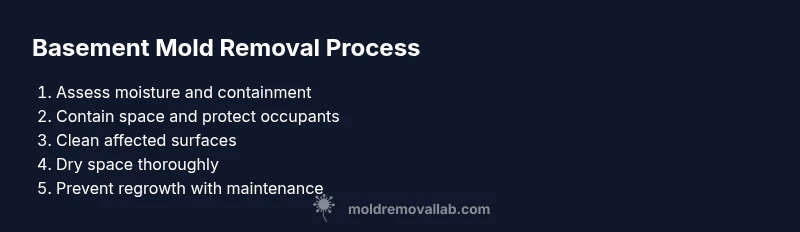
Basement Mold Removal: Safe Step-by-Step Guide for Homes
A practical, homeowner-focused basement mold removal guide with containment, drying, and prevention strategies from Mold Removal Lab to keep living spaces safe and healthy.


According to Mold Removal Lab, basement mold removal can be done safely at home when you follow strict containment, PPE, and a thorough drying plan. This guide provides a practical, step-by-step method to reduce moisture, remove moldy materials, and prevent regrowth. If you see large outbreaks or health symptoms, seek professional help.
Why basement mold is a problem
Mold growth in basements is a common, stubborn problem that can affect air quality, trigger allergies, and corrode building materials. Basements are prone to dampness because they sit below grade, where groundwater and humidity often accumulate. The Mold Removal Lab Team emphasizes that mold isn’t just an aesthetic issue; prolonged exposure can aggravate asthma and respiratory symptoms in residents. Early action minimizes health risks and structural damage by stopping moisture sources and removing spores from affected areas. A proactive approach also preserves the value of your home by protecting walls, insulation, and foundations from moisture-related deterioration. If your basement hosts visible growth larger than a square foot or persistent odor, treat it as a remediation project and plan carefully rather than guessing.
Causes and moisture dynamics
Basement mold thrives when moisture is present. Water intrusion from leaks, poor drainage around the foundation, high indoor humidity, or condensation on cold surfaces can feed fungal growth. The Mold Removal Lab Analysis indicates that cooling and dehumidification cycles can drive moisture into hidden pockets behind walls and under flooring, making once-spotty growth expand. Identifying the moisture source is the first, most crucial step, because remediation will only work long-term if the underlying cause is corrected. Common culprits include roof leaks beaming down into walls, cracked foundation seals, and humid errands like laundry rooms that vent moisture into the basement. Monitoring humidity with a reliable hygrometer helps you track improvements as you fix leaks and improve ventilation.
Safety and PPE essentials
Before you touch anything, prioritize safety. Wear an N95 respirator or equivalent to minimize inhalation of mold spores, along with sturdy gloves and protective eye gear. Avoid disturbing mold aggressively, which can release spores into the air. The EPA-registered cleaning products and a mild detergent are safer first-line agents for non-porous surfaces; for porous materials, disposal is often the safer route. If you have health conditions or a large area to treat, consulting a Mold Removal Lab specialist is prudent. Always ensure the space is well-ventilated, and never mix household bleach with ammonia or acidic cleaners, as dangerous gases can form.
Containment and prep work
Containment is essential to prevent cross-contamination. Close doors, seal vents with plastic sheeting, and create a barrier to keep airborne spores from migrating to living spaces. Turn off HVAC or run a portable air purifier with a HEPA filter to capture loosened particles. Remove and bag any heavily contaminated materials that cannot be cleaned, and place them in sealed containers for disposal. Label bags clearly and follow local waste guidelines. Use plastic sheeting and tape to create a contained work zone; keep children and pets away during remediation.
Mold removal methods by material (non-porous vs porous)
Non-porous surfaces like metal, glass, and finished tiles are generally easier to clean. Scrub with a detergent solution, rinse, and disinfect with an EPA-registered product. Porous materials—drywall, carpeting, insulation—often absorb mold and may need to be removed and discarded to eliminate all spores. If removal is feasible, seal and bag materials to prevent spores from escaping. For salvageable items, clean thoroughly, dry promptly, and consider professional remediation for salvage across large areas. Always follow product instructions and use minimal moisture during cleaning to minimize spread.
Drying and humidity control
After cleaning, thorough drying is critical to prevent regrowth. Use dehumidifiers and high-capacity air movers to reduce humidity to an acceptable range, ideally below 50% relative humidity, and keep the space dry for several days. Inspect corners, studs, and under flooring for hidden moisture pockets. Remember that even after visible mold is removed, lingering moisture can cause recurrence. Revisit the source of moisture, repair leaks, improve drainage, and ensure adequate ventilation to sustain a mold-free environment over the long term. Mold Removal Lab stresses that consistent drying is often the difference between a temporary cleanup and a lasting remediation.
Preventing mold regrowth and maintenance
Prevention starts with moisture control. Repair leaks promptly, improve exterior grading, and ensure gutters direct water away from the foundation. Ventilation upgrades, such as exhaust fans or dehumidifier-equipped HVAC, help maintain indoor humidity at healthy levels. Regular inspections after heavy rains or snow melts are wise, especially in basements with prior moisture problems. Keep an eye on wet or damp porous materials that might harbor mold and address them quickly. By maintaining a dry, ventilated environment, you dramatically reduce the chances of regrowth and protect your home’s structural integrity.
When to call a professional (red flags and thresholds)
Some situations exceed DIY capabilities. If you see mold covering more than 10 square feet, have repeated water intrusions, or occupants experience persistent allergic symptoms, contact a professional remediation service. A pro can assess hidden mold behind walls, test air quality, and implement controlled removal with proper containment. Even if you start as a DIY project, obtaining a professional assessment can prevent long-term health risks and further damage. The Mold Removal Lab Team recommends erring on the side of caution when health concerns are present or mold appears extensive.
Post-remediation testing options and next steps
After remediation, consider a follow-up air or surface test to confirm cleanliness, especially in ductwork and hidden cavities. Visual inspection alone isn’t always enough to verify the absence of spores. If testing is pursued, choose accredited labs and compare results with prior readings to gauge progress. Finally, reintroduce rooms gradually, continuing to monitor humidity and moisture sources. Regular maintenance, including sealing leaks and keeping humidity in check, helps prevent future mold issues and preserves indoor air quality.
Tools & Materials
- N95 respirator or higher(Fit-tested if possible; replace after every day of work)
- Protective gloves(Chemical-resistant preferred)
- Safety goggles or face shield(Protect eyes from splashes and spores)
- Coveralls or long-sleeve clothing(Launder or discard after remediation)
- 6-mil or thicker plastic sheeting(Create containment walls and drop cloths)
- Heavy-duty tape (duct or painter's tape)(Seal plastic edges and create barriers)
- Plastic zip ties or clips(Secure plastic barriers quickly)
- Detergent or mild cleaner(Non-ammonia-based for initial cleaning)
- EPA-registered mold cleaner or disinfectant(Follow label directions; avoid mixing with ammonia)
- Non-porous scrubbing brushes or rags(For hard surfaces; replace once contaminated)
- Bucket and spray bottle(Apply cleaners and rinse thoroughly)
- HEPA-filtered vacuum or air purifier(Optional for capturing spores during cleanup)
- Dehumidifier(Aim for RH below 50%)
- Commercial-grade moisture meter or hygrometer(Useful to track humidity changes)
- Heavy-duty trash bags(Seal and label contaminated materials)
Steps
Estimated time: 3-5 hours
- 1
Assess moisture and health risks
Begin with a careful assessment of the mold extent and any water intrusion sources. Note which areas show active growth, and be aware of symptoms among occupants. This helps determine whether to proceed DIY or call a professional.
Tip: Document areas with mold using photos to guide future remediation and for contractor reference. - 2
Contain the workspace
Close doors and seal off the area with plastic sheeting to prevent spores from drifting to living spaces. Use tape at the seams and create a negative-pressure feel by minimizing air exchange.
Tip: Cover vents to avoid drawing spores into HVAC ducts. - 3
Protect yourself and others
Put on an N95 respirator, goggles, gloves, and protective clothing before touching any moldy surfaces. Keep children and pets away from the work zone during remediation.
Tip: Change clothes and wash exposed skin after finishing to minimize cross-contamination. - 4
Remove damaged porous materials
Carefully remove porous materials like drywall or insulation if mold has penetrated deeply. Bag and seal contaminated materials for disposal to prevent spores from escaping.
Tip: If the material is structurally important, consult a pro before removal. - 5
Clean non-porous surfaces
Scrub hard, non-porous surfaces with detergent and water, then apply an EPA-registered disinfectant following the label. Rinse and dry completely.
Tip: Avoid leaving behind moisture; dry surfaces thoroughly after cleaning. - 6
Handle remaining porous materials
For salvageable porous items, try a thorough cleaning and drying, but be prepared to discard items that show persistent mold. This reduces recurrence risk.
Tip: Test a small area first to ensure the cleaner won’t damage substrates. - 7
Dry the space thoroughly
Run dehumidifiers and high-capacity fans to drive moisture out. Check hidden pockets behind walls and under flooring periodically until RH remains low for several days.
Tip: Set a target RH under 50% and verify with a hygrometer. - 8
Inspect and seal moisture sources
Repair leaks, improve drainage, and ensure proper ventilation to prevent future moisture buildup. Revisit the area after rain events to confirm the problem is resolved.
Tip: Consider exterior improvements like gutter maintenance and grading adjustments. - 9
Plan for post-remediation checks
Decide whether to perform follow-up testing or a visual inspection after a drying period. Normalize humidity and monitor for regrowth.
Tip: If symptoms recur, escalate to professional remediation promptly.
FAQ
What counts as a mold problem in a basement?
A visible growth or musty odor that persists after basic cleaning usually signals a mold problem. If damp conditions exist or you notice recurring moisture, treat it as an remediation task. Seek professional help for large areas or health concerns.
Visible mold or persistent dampness should be treated as a remediation task, and seek professional help for large areas or health concerns.
Is basement mold removal safe to DIY?
Small, localized mold growth on non-porous surfaces can be tackled by a prepared homeowner using PPE and containment. Large infestations, porous materials, or areas with ongoing moisture should be handled by professionals to ensure complete removal and prevent regrowth.
Small mold on non-porous surfaces can be DIY with PPE and containment. Large infestations or porous materials need a professional.
What PPE do I actually need?
Use an N95 respirator (or higher), safety goggles, gloves, and protective clothing. If you have allergies or asthma, upgrade to a dual-cartridge respirator and ensure a well-ventilated area.
Wear an N95 or better, goggles, gloves, and protective clothing. Use a better respirator if you have allergies or asthma.
Are cleaners like bleach effective for mold?
Bleach can be effective on non-porous surfaces, but it is not a universal solution for mold on porous materials. For porous materials or extensive growth, removal and professional guidance are often required. Always follow product instructions and avoid mixing with ammonia.
Bleach works on non-porous surfaces but not reliably on porous materials; for larger problems, consult a pro.
Should I test for mold after cleanup?
Post-cleanup testing can confirm the absence of mold spores, especially in HVAC ducts or concealed areas. Decide based on initial mold size, health concerns, and whether you’ve addressed the moisture source. Accredited labs provide reliable results.
Testing after cleanup helps confirm mold absence, especially in ducts or hidden spots. Use accredited labs for reliable results.
What are signs of hidden mold
Hidden mold may reveal itself as persistent musty odors, staining behind walls, or damp patches under flooring. If you suspect hidden mold, consider professional inspection before disturbing walls or insulation.
Hidden mold often shows up as a musty smell or unseen damp patches; get a pro if you suspect it.
Watch Video
The Essentials
- Identify moisture sources and fix leaks.
- Contain the area before starting cleanup.
- Wear proper PPE and clean with EPA-registered products.
- Dry thoroughly to prevent regrowth (target RH < 50%).
- Monitor humidity and repeat checks after heavy moisture events.