How to test for mold – a homeowner's guide
A practical, step-by-step guide to test for mold, interpret lab results, and plan remediation safely for homes and rentals. Learn DIY options, when to call pros, and how findings protect health.


This quick answer covers how to test for mold: begin with a moisture/odor check, then pick a method: air sampling, surface swab, or bulk sample. Collect samples carefully per kit instructions, seal samples, and send to a certified lab or reputable at‑home service. Use results to verify mold presence and guide remediation.
Why test for mold matters
Mold exposure can affect health, especially for children, the elderly, and anyone with allergies or asthma. For homeowners, discovering moisture problems early protects property value and prevents costly repairs. This is why learning how to test for mold is a practical first step toward a safer living space. According to Mold Removal Lab, mold growth is often hidden behind walls, under floors, or inside HVAC plenums, where it thrives in damp conditions. Visual cues like water stains, warping, or a persistent musty smell are important, but they do not confirm the extent or species of mold. Testing provides objective evidence that can guide whether remediation is needed and how aggressively to address moisture sources. In many homes, mold issues are cumulative and multifocal, meaning multiple rooms or building assemblies may be affected. A systematic approach to testing helps you avoid chasing symptoms and instead target the underlying moisture drivers. Throughout this guide, you’ll learn how different testing methods work, what to expect from results, and how to plan remediation safely.
How mold testing works: definitions and scope
Mold testing is the process of collecting samples from indoor environments to determine presence, quantity, and sometimes species of mold. It is not a guarantee of health risk by itself, but it provides essential data for a remediation plan. The main categories are air sampling (collecting airborne spores), surface sampling (swabs or tape from visible growth), and bulk sampling (pieces of material such as drywall). A visual inspection remains important, but it cannot quantify contamination. Lab analysis compares collected samples to established fungal databases to indicate whether mold is present and in what concentrations. When done correctly, testing narrows down suspect areas and helps you decide between spot remediation and broader moisture-control strategies. Note that results should always be interpreted by qualified professionals, especially in complex or large-scale cases. Mold Removal Lab emphasizes that testing is part of a broader moisture-management plan, not a stand-alone fix.
Testing methods at a glance
- Air sampling: Measures the concentration of mold spores in the indoor air and often compares to outdoor air to gauge indoor air quality.
- Surface sampling: Collects material from suspected mold sites to identify visible or hidden growth on surfaces.
- Bulk sampling: Analyzes chunks of building material or dust that may harbor mold.
- Visual inspection: Identifies moisture sources, staining, and other indicators of potential mold activity.
- Laboratory interpretation: Professionals review results, identify species when possible, and assess potential health implications.
- DIY vs professional: Home test kits exist, but professional sampling and lab analysis generally offer greater reliability and interpretability.
The testing approach you choose should align with your goals, budget, and the severity of the suspected contamination.
When to test vs. hire a pro
If you’re dealing with a small, well-defined area and you want to confirm a suspicion you’ve already narrowed down, DIY testing can be helpful as a screening step. For larger homes, complex moisture issues, or mold suspected in HVAC systems, hiring a licensed mold inspector or professional remediation contractor is recommended. Based on Mold Removal Lab Analysis, 2026, you should consider professional testing for hidden contamination, persistent odors, or symptoms in occupants despite DIY results. Pro testing also helps ensure proper sampling protocols, chain of custody for samples, and credible lab interpretation, which can matter for insurance or landlord communications. Always verify that the tester is certified by a recognized body such as ACAC or IAQA.
Tools and materials you’ll need
- Air sampling kit (professional) or access to a certified lab service
- Surface swab kit and/or tape for visualized growth
- Bulk sample collection tools and sterile containers
- Personal protective equipment: N95 respirator, gloves, eye protection
- Sealable sample containers and labeled bags
- Marker, labels, and a camera or smartphone for documentation
- Lab submission materials (mailers/transport) and documentation sheet
- Moisture meter (optional) to map moisture hotspots
- Cleaning supplies for decontamination after sampling
- Clipboard and notebook for field notes
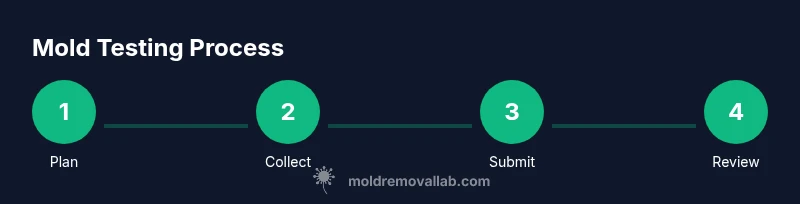
Step-by-step sampling workflow (overview)
- Plan sampling scope and objectives: Determine the rooms and materials to sample based on moisture history and odors.
- Prepare sampling areas: Ventilate the space, remove clutter, and don PPE.
- Collect air samples: Follow the kit’s instructions to draw air over a filter or cassette, avoiding contamination.
- Collect surface swabs: Rub the swab across suspected mold patches with even pressure, using proper labeling.
- Collect bulk samples (if applicable): Cut a small section from the suspected material and place it in a sterile bag.
- Label, seal, and package: Ensure samples are properly sealed, labeled, and protected for shipping.
- Submit samples to the lab: Use the chosen approach; track shipment and confirm receipt.
- Await results and interpret: Review lab report details, including presence/absence and any identified species.
Estimated total time: 1–2 weeks (including shipping and lab analysis).
Interpreting lab results and next steps
A typical mold test report will indicate presence or absence, concentration, and possibly species. Do not panic at a single positive result; consider moisture sources and occupancy factors. If mold is detected, prioritize source control: fix leaks, improve ventilation, and reduce humidity. For several areas or a suspected HVAC issue, a professional remediation plan is usually needed. Always consult the lab’s interpretation guide if available and correlate results with visible evidence and moisture data. Remember, outdoor mold spores vary seasonally, so you’ll often compare indoor versus outdoor baselines to gauge contamination levels. If you’re uncertain, contact a Mold Removal Lab professional for guidance.
Safe remediation planning after testing
Once testing confirms mold presence, remediation should focus on moisture control and material removal where necessary. Start by sealing off contaminated zones to prevent cross-contamination, then remove and dispose of affected materials following local codes. Clean adjacent areas with non-ammoniated cleaners or professionals’ recommended products. Reassess moisture sources after cleanup: fix leaks, improve ventilation, fix insulation, and consider upgrades like dehumidifiers and air purifiers. Finally, perform post-remediation verification testing if required by local codes or insurers.
Real-world scenarios and a quick checklist
- Scenario A: Small apartment with a suspected bathroom mold growth—target testing, prompt moisture control, and localized remediation
- Scenario B: Detached house with ongoing moisture from a roof leak—comprehensive testing, often a pro, and a full remediation plan
- Checklist: moisture control, safe sampling, proper labeling, shipping, lab communication, and post-remediation verification
Tools & Materials
- Air sampling kit (professional) or access to a certified lab service(Choose according to method; ensure chain of custody is possible)
- Surface swab kit and/or tape for visualized growth(Include sterile swabs and labeled collection tape)
- Bulk sample collection tools and sterile containers(Scissors, bags, and protective packaging)
- Personal protective equipment: N95 respirator(Fit-tested if possible)
- Disposable gloves(Nitrile preferred, non-latex to avoid allergies)
- Safety goggles(Protect eyes during sampling)
- Sealable sample containers(Leak-proof, labeled with location)
- Marker and labels(Document sample IDs clearly)
- Camera or smartphone for documentation(Photos help track sampling locations)
- Lab submission materials (mailers/transport)(Follow lab’s packaging guidelines)
- Moisture meter (optional)(Maps moisture hotspots for sampling decisions)
- Notepad and pen(Record observations and locations)
- Cleaning supplies for decontamination(Mild cleaners; avoid strong fumes during sampling)
Steps
Estimated time: 1-2 weeks
- 1
Plan sampling scope
Define which rooms and materials to sample based on moisture history, odors, and prior leaks. Create a simple map or list of target areas to keep the effort focused.
Tip: Limit distractions; prioritize areas with visible damage or high humidity. - 2
Prepare sampling areas
Ventilate spaces, remove clutter, and don PPE. Keep doors open to allow air flow and reduce contamination risk during sampling.
Tip: Avoid disturbing suspected mold patches; movement can stir spores. - 3
Collect air samples
Follow the kit’s instructions to draw air over a collection device, avoiding cross-contamination from hands or nearby surfaces.
Tip: Seal the device immediately after sampling and label it. - 4
Collect surface swabs
Across suspected patches, swab with even pressure in one direction to avoid dragging contaminants from outside the patch.
Tip: Label each swab with location and surface type. - 5
Collect bulk samples
If applicable, cut a small section from the material with clean tools and place in a sterile bag without crushing the sample.
Tip: Keep samples separate to prevent cross-contamination. - 6
Label, seal, and package
Ensure all samples are sealed and labeled with location, date, and sampler initials before shipping.
Tip: Double-check seals to prevent leaks. - 7
Submit samples to lab
Ship samples using tracked courier and keep copies of submission forms. Confirm receipt with the lab.
Tip: Ask the lab for an interpretation guide accompanying the report. - 8
Await results and interpret
Review the lab report for presence/absence, concentration, and possible species. Correlate with moisture data and visuals.
Tip: If unsure, request a consultation with a mold professional.
FAQ
Is DIY mold testing reliable?
DIY tests can indicate possible mold presence but often lack comprehensive species identification and contamination control. Use them as a preliminary check and follow up with a professional lab for confirmation and interpretation.
DIY mold tests can hint at mold, but for reliable results you should use a certified lab and a professional interpretation.
How long does mold testing take?
Turnaround depends on shipping and the lab’s workload. Most results arrive within several days to a week after samples reach the lab.
Laboratory results typically take several days to about a week after the samples arrive.
Should I test for mold if I smell a musty odor?
A musty odor suggests moisture and possible mold growth. Testing can help confirm presence and guide remediation, especially in hidden areas.
If you smell moldy odors, testing can confirm whether there’s active growth and help guide next steps.
How much does mold testing cost?
Costs vary by method and scope. Budget for professional sampling and lab analysis, or consider a reputable at-home kit as a preliminary step.
Costs vary, so talk to a lab about options and what’s included in the test.
What should I do after a positive result?
Contain the area to prevent spread, identify moisture sources, and follow a remediation plan either DIY with caution or by hiring a professional contractor.
If mold is found, contain the area and plan remediation, consulting a pro if needed.
When is professional remediation required after testing?
If mold covers a large area, is inside HVAC systems, or involves porous building materials, professional remediation is typically advised.
For large or hidden mold, or when HVAC systems are involved, hire a professional.
Watch Video
The Essentials
- Confirm mold presence with objective tests before remediation.
- Choose test type based on moisture history and access.
- Work with certified labs or professionals for accuracy.
- Document moisture sources and sampling methods.
- Interpret results within the building’s context and occupancy.