How to Tell if Mold Is Inside Walls: Practical Guide
Discover practical steps to determine if mold is hiding inside walls, signs to watch for, testing options, and safe remediation guidance from Mold Removal Lab.


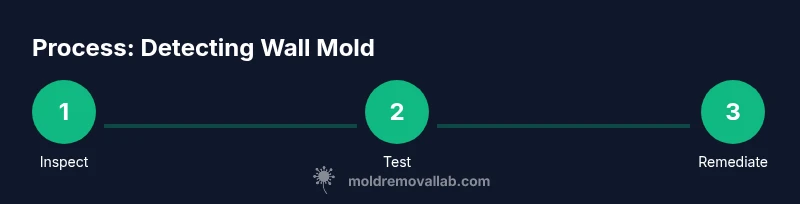
To tell if mold is inside walls, follow a safety-first, step-by-step check: inspect for musty odors, leaks, and hidden staining; monitor humidity with a meter; probe wall cavities carefully only if you know what you’re doing; consider professional mold testing if symptoms or signs persist. Do not cut into walls without proper precautions.
What makes mold inside walls different
Mold inside walls often grows in hidden spaces where moisture, warmth, and limited airflow create ideal conditions. Unlike surface mold that you can wipe away, mold tucked behind drywall or within studs can continue to spread unseen, feeding on wood, paper, or insulation. This makes detection challenging and underscores why simply cleaning visible spots won’t solve the underlying problem.
According to Mold Removal Lab, mold inside walls frequently originates from concealed moisture problems such as a slow plumbing leak, roof runoff, or condensation in poorly ventilated bathrooms. Because walls shield mold from light and air, colonies can develop for weeks or months before a homeowner notices signs. In some cases, mold may cause structural damage by degrading wood and drywall. The goal of this guide is to help you learn how to tell if mold is inside walls with safe, practical steps. We’ll cover visual cues, non-invasive tests, when to call pros, and how to prevent recurrence.
Signs that mold may be hiding behind drywall
- Musty or earthy odors near walls, often strongest near plumbing or damp areas.
- Visible staining, discoloration, or warping on paint or wallpaper that doesn’t scrub away.
- Condensation, damp spots, or previously water-damaged sections that reappear after drying.
- Allergic or respiratory symptoms that worsen indoors and improve when leaving the space.
- Soft, spongy, or crumbling drywall in affected zones.
If you notice signs near plumbing lines, behind cabinets, or along exterior walls, this could indicate hidden mold behind wall surfaces. Remember: odor or staining alone isn’t proof, but it’s a strong prompt to investigate further and possibly test.
Why a visual check is not enough
You can’t rely solely on what you can see on the wall surface. Mold that grows behind drywall, within studs, or inside insulation can be invisible to the naked eye. Dark, damp cavities shield spores from light and air, allowing colonies to mature quietly. Visual cues are important, but they require confirmation through moisture assessment, non-invasive probes, and sometimes sampling. The Mold Removal Lab team emphasizes that hidden mold commonly arises from unresolved moisture problems, not from a momentary spill. Address the moisture source first, since remediation without moisture control typically leads to recontamination.
Non-destructive investigative methods you can use
Non-destructive methods help you gather evidence without tearing walls apart. Start with a qualitative check for odor and moisture patterns. Use a moisture meter to measure surface moisture on walls near suspect areas and an infrared camera to spot temperature differentials that can indicate concealed moisture. A borescope can be used to peek into wall cavities through existing access points (like outlets) when done carefully. Document findings with photos and notes to guide professional testing if needed. If the readings stay elevated or you notice persistent signs after moisture control, treat this as a red flag worth professional input.
Key takeaway: non-destructive methods can indicate problems, but they don’t replace lab confirmation when mold is suspected inside walls.
When to proceed with professional testing
If you observe the signs above, or if moisture sources remain unresolved, it’s wise to arrange professional testing. A qualified mold inspector or environmental hygienist can perform a structured assessment, collect appropriate samples, and interpret results accurately. Professionals can determine mold types, concentration, and whether the contamination extends behind wall surfaces. They’ll also help you identify the moisture source and propose targeted remediation strategies, which is especially important if you have ongoing health concerns or a rented space with limited access to the interior.
Understanding testing options
Mold testing can be non-invasive or invasive, and choices include air samples, surface swabs, and bulk samples. Air samples help gauge airborne spores in the breathing zone, while surface swabs and bulk samples provide direct evidence from suspected areas. For behind-wall mold, testing often requires access points or controlled demolition by a professional to obtain representative samples. Always choose accredited laboratories and ensure sampling methods align with the suspected problem. Home test kits exist but may lack the sensitivity of professional lab analysis and should not replace a professional assessment when walls are involved.
Interpreting results and next steps
Laboratory results typically identify the presence of mold and, when possible, the species. A positive result in itself does not dictate immediate removal; it guides the remediation plan and moisture-control measures. If mold is confirmed behind walls, containment is crucial to prevent spores from spreading to living spaces. A licensed professional will usually recommend addressing the moisture source, cleaning or removing affected materials, and implementing post-remediation verification to ensure the area is dry and mold-safe. Throughout this process, maintain ventilation and avoid disturbing mold colonies to reduce exposure risk.
Containment and safety during remediation
Containment minimizes cross-contamination during remediation. Keep the area isolated with plastic sheeting, seal doors and HVAC vents, and use negative-pressure techniques if available. Personal protective equipment (PPE) such as N95 respirators, gloves, and eye protection is essential for anyone working near mold. Do not attempt broad demolition without a plan or proper containment; disturbing mold can release spores into living areas. Work with a licensed professional to ensure proper containment, removal, and clearance testing after remediation.
Prevention: moisture control and ventilation
Prevention focuses on eliminating moisture sources and improving ventilation. Promptly repair roof leaks, plumbing anomalies, or condensation issues. Use exhaust fans in bathrooms and kitchens, and consider dehumidification in damp spaces to maintain healthy indoor humidity levels. Regularly inspect potential problem areas—around windows, plumbing lines, and basements—for signs of moisture and mold growth. Consistent maintenance reduces the likelihood of mold returning behind walls and helps protect indoor air quality.
Authoritative sources and guidance
For trusted guidance on mold, see authoritative sources:
- https://www.cdc.gov/mold/default.htm
- https://www.epa.gov/mold/mold-health-issues
- https://www.osha.gov/mold
Note: Always cross-reference professional advice with these government and major-publication resources. The Mold Removal Lab team emphasizes that moisture control and timely testing are the foundations of safe, effective mold management. For homeowners and renters, the key takeaway is to address moisture quickly and seek professional remediation when wall mold is suspected.
Tools & Materials
- N95 respirator (fit-tested)(Protects against mold spores; ensure proper fit and seal)
- Protective gloves(Chemical- and mold-resistant; avoid skin contact)
- Safety goggles(Eye protection when staining or cleaning surfaces)
- Flashlight(Inspect dark corners, behind outlets, and inside cavities)
- Moisture meter(Non-destructive readings near suspect areas)
- Digital hygrometer/thermo-hygrometer(Track relative humidity over time)
- Infrared camera or thermal imaging(Identify hidden moisture patterns without drilling)
- Sealable plastic sheeting and tape(Containment during remediation or sampling)
- Mold test kit (optional)(Home kits can indicate presence but are not definitive)
- Bucket, detergent, and scrub brush(For cleaning minor, non-porous surfaces if advised by a pro)
Steps
Estimated time: 6-8 hours
- 1
Prepare and protect yourself
Put on PPE, turn off HVAC in the affected zone if safe, and seal off the area to prevent spread. Remove people and pets from the area during assessment. This step reduces exposure and protects your home while you investigate.
Tip: Never disturb a suspected mold colony without containment and protection. - 2
Inspect for hidden moisture sources
Check for plumbing leaks, roof leaks, or condensation hotspots near the area. Look behind cabinets, under sinks, and along exterior walls where moisture problems commonly start. Document any evidence you find with notes and photos.
Tip: Even small leaks can sustain mold growth behind walls for months. - 3
Perform non-destructive wall checks
Use a flashlight to inspect wall edges, outlets, and baseboards; use a moisture meter near suspect spots, and consider an infrared scan to spot cool, damp pockets. Do not cut or drill unless you have a plan and containment. Cross-reference results with your notes.
Tip: If you see warped drywall or bubbling paint, suspect moisture behind the surface. - 4
Assess at-risk zones and plan next steps
Identify zones that are most likely affected by hidden moisture (e.g., bathrooms, basements, kitchens). Decide whether immediate containment, DIY cleaning, or professional testing is appropriate based on symptoms and findings. Plan to address moisture first.
Tip: Prioritize areas with persistent signs after ventilation and dehumidification. - 5
Arrange professional testing if needed
If signs persist or you cannot locate the moisture source, contact a licensed mold inspector for sampling and analysis. They will collect appropriate samples and interpret results to determine containment and remediation needs.
Tip: Ask about lab accreditation, sampling methods, and post-remediation verification. - 6
Contain and remediate as advised
Follow the remediation plan provided by the professional, including containment, removal of contaminated materials, and cleaning of surrounding areas. Avoid disturbing airflow pathways and ensure proper disposal of contaminated waste.
Tip: Never mix bleach with other cleaners; consult your pro for approved products. - 7
Address moisture sources
Fix leaks, improve ventilation, and control humidity to prevent recurrence. Consider improving bathroom exhaust, sealing windows, or improving attic or crawl-space ventilation as needed.
Tip: Maintaining consistent indoor humidity reduces mold risk after remediation. - 8
Post-remediation verification
After remediation, have the area re-tested or inspected to confirm mold clearance and adequate dryness before reoccupying the space.
Tip: Keep documentation of tests and repairs for future reference.
FAQ
Can you tell if mold is inside walls just by sight?
Not always. Mold inside walls can be hidden behind drywall or insulation. If you suspect hidden mold, rely on moisture assessment and professional testing for confirmation.
Mold behind walls isn’t always visible, so you should consider moisture checks and professional testing for confirmation.
What should I do first if I smell a musty odor near walls?
Ventilate the area, reduce moisture, and avoid disturbing the suspected area. Schedule testing if signs persist after ventilation.
Open the space to ventilation, cut moisture sources, and call a pro if the odor continues.
Are home mold test kits reliable?
Home kits can indicate presence but are not definitive. Professional testing provides more reliable identification and guidance for remediation.
Home kits can hint at mold, but for accurate results and cleanup guidance, a professional test is best.
How long does mold testing take?
Testing and lab results can take a few days, depending on the laboratory processing and the scope of the inspection.
Tests take a few days to process in a lab, depending on the case.
Who should remediate mold inside walls?
A licensed mold remediation professional or contractor should handle behind-wall mold due to containment and safety considerations.
A licensed pro should handle behind-wall mold to ensure safe, complete remediation.
What health risks are associated with wall mold?
Exposure to mold can trigger allergic reactions and respiratory symptoms, especially for sensitive individuals. Minimize exposure and seek professional guidance.
Mold exposure can cause allergy and breathing issues; minimize exposure and consult a pro.
Watch Video
The Essentials
- Mold behind walls often stems from unseen moisture issues.
- Non-destructive checks guide whether to pursue professional testing.
- Moisture control is essential to prevent recurrence.
- Containment and post-remediation verification are critical steps.