Can You Get a Mold Test for Your House? A Practical Guide
Learn how to test for mold in your home, when to test, DIY vs. professional options, and how to interpret results with safe remediation steps. Includes government resources and a practical checklist.


Yes—you can get a mold test for your house. Testing options range from consumer DIY kits to professional sampling by licensed inspectors. A test confirms whether mold is present, helps identify potential species, and guides remediation decisions. If you notice persistent moisture, a musty odor, or health symptoms, testing is often the prudent next step.
What mold testing is and why it matters
Mold testing seeks to determine if mold is present in a building, where it is growing, and what species or toxins might be involved. This matters because different conditions, such as moisture levels and airflow, influence both risk to occupants and remediation steps. According to Mold Removal Lab, many homes with hidden moisture or past water damage experience mold growth that isn't visible to the eye. Testing can validate concerns raised by moisture stains, musty odors, or allergy-like symptoms, and it helps ensure you don't remove mold incorrectly, which can spread spores and worsen exposure. The question 'can you get a mold test for your house' is increasingly common as homeowners seek proactive solutions. There are several testing approaches, and your choice should align with your goals, the suspected mold type, and whether you need a quick preliminary result or a comprehensive report. In general, testing is a proactive step when moisture issues persist after repair or when health symptoms appear to improve after remediation. Understanding the limits of testing, including possible false positives or negatives, is essential to avoid chasing false alarms. Remember, mold is a biological signal of moisture, and addressing the moisture source is often as important as the test itself.
Do you need a test or can you rely on symptoms and visual cues?
Relying solely on visible growth or symptoms is not a reliable way to rule out mold. Some species grow behind walls or under flooring where you cannot see them, and certain molds release spores that irritate sensitive individuals even when visible growth is minimal. Testing provides objective data that helps you decide whether remediation is needed and which methods are appropriate. Health concerns, especially for children, seniors, or people with asthma or allergies, often justify testing when moisture problems exist. If you suspect water intrusion, condensation, or high humidity has persisted for weeks, collecting at least one sample from the suspected area and a control area outside the problem zone can help a lab determine if results are site-specific or environmental. Also, keep in mind that a test is not a standalone solution—identifying the mold is only the first step; remediation follows, usually after fixing the moisture source.
Types of mold tests and what they measure
Mold tests come in several forms, each answering different questions. Air tests sample the indoor air to see what spores are present at the time of collection; surface tests collect material from walls, ceilings, or objects using swabs or tape to identify contamination on surfaces; bulk samples involve gathering a chunk of material to be analyzed in a lab; newer methods may use DNA-based testing to distinguish species more precisely. The choice depends on your goals: do you need a snapshot of current air quality, confirmation of a specific fungus, or evidence of systemic contamination? Labs interpret results by comparing to known environmental baselines and by considering the building’s moisture history. Remember that mold species vary in their health implications, and even small amounts can be significant in sensitive individuals. Finally, a lab report should include the sampling method, location, and any limitations, so you can interpret results in context.
DIY kits vs professional testing: which is right for you?
DIY kits are accessible and affordable, offering rapid screening and basic guidance. They are useful for initial screening, or for owners who want a rough sense of whether mold could be present before bringing in a pro. Professional testing, by contrast, involves a certified inspector who designs a sampling plan, collects multiple samples, and uses accredited labs to analyze them. Pros can interpret complicated results, identify hidden moisture sources, and coordinate remediation with licensed contractors. A professional approach is generally recommended when there are health concerns, complex moisture problems, or potential structural issues. If you choose a DIY kit, ensure the kit uses a recognized sampling method, and be aware that most DIY results require follow-up confirmation by a certified lab to guide remediation decisions.
How to prepare for a mold test and collect a sample properly
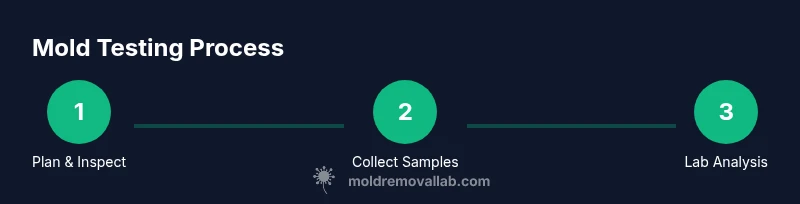
Prepare by reducing recent disturbances near the sampling sites to avoid cross-contamination. Do not wipe surfaces or scrub mold before sampling; labs rely on the condition during collection. Turn off fans, HVAC, and dehumidifiers only if instructed by the kit or tester, and seal off the space to limit airflow that could skew results. When collecting a sample, follow the provided instructions exactly: for air samples, hold the collection device steady in the zone of concern; for surface tests, press tape or swab firmly against the suspected area. Label each sample clearly, record the location and date, and package samples according to the supplier’s directions. If you’re using a professional service, they will typically handle chain-of-custody and lab submission. Plan to wait for lab analysis, which can take several days to a week, depending on the lab’s workload and the number of samples collected.
Interpreting results and next steps
A mold test report should explain what was tested, where samples were taken, and what species or spores were detected. It will also discuss the concentration of spores and any limitations of the test. Remember that a positive result does not automatically imply immediate danger, and a negative result does not guarantee an environment is free of mold—especially if contamination occurred during sampling or if hidden growth remains. Use results as a guide to identify moisture sources, such as leaks or condensation, and to prioritize remediation. Engage a licensed mold remediation contractor if levels are elevated or if the mold covers a large area, as improper cleanup can spread spores. Finally, institute moisture controls—improve ventilation, fix leaks, and monitor humidity—to prevent recurrence.
Common misconceptions and safety considerations
One common misconception is that bleach cures mold or that cleaning a small spot eliminates the problem. Bleach is often ineffective on porous materials and can release fumes in confined spaces. Another myth is that a home air freshener can mask mold odors; odor alone is not a reliable indicator of mold presence. A safety note: mold cleanup can release spores into the air, so use protective gear and consider professional help for larger infestations. Never skip addressing the moisture source, as moisture is the root cause of fungal growth. Finally, remember that some mold species produce toxins that pose health risks; testing and professional remediation should be coordinated with healthcare guidance in sensitive individuals.
Costs, timelines, and insurance considerations
Costs vary widely based on scope, location, and whether a single area or multiple zones are tested. Timelines depend on sample volume and lab capacity, with results taking a few days to a week after samples reach the lab. Insurance coverage for mold testing and remediation depends on policy details and documented moisture events; many policies require proof of loss and a remediation plan before considering coverage. Always verify with your insurer and keep records of moisture sources, repairs, and professional recommendations. For homeowners, balancing cost with the value of accurate information is often a priority; a clear plan supported by lab data helps prioritize repairs and exposure reduction.
Quick-start checklist to begin testing today
- Note moisture sources: leaks, condensation, or high humidity areas
- Decide between DIY kit versus professional tester based on health concerns and complexity
- Gather basic samples: air, surface, or bulk according to the method you choose
- Choose a lab: ensure it is accredited and can provide a clear report
- Plan moisture control measures: fix leaks and improve ventilation to prevent recurrence
- Schedule remediation if results indicate elevated mold levels and safe cleanup requires professionals
- Review the lab report carefully and follow up with recommended next steps
Authority and resources
Government and authoritative guidance can help you understand mold risks and safe remediation practices. Examples include:
- EPA: A Brief Guide to Mold, Moisture, and Your Home — https://www.epa.gov/mold
- CDC: Mold and Health — https://www.cdc.gov/mold/default.htm
- OSHA: Mold in the Workplace — https://www.osha.gov/molds
Tools & Materials
- Nitrile gloves(Powder-free; size medium or larger)
- N95 respirator or better(Particle-filtering mask)
- Safety goggles or eye protection(Keep eyes protected from spores)
- Sampling kit (air, surface swabs, or bulk sample materials)(Choose based on test type; includes collection media and labels)
- Zip-top bags or sealable containers(Transport samples; label with location)
- Marker and labels(Clear labeling and traceability)
- Notebook or field form(Record locations, conditions, and dates)
- Flashlight(Inspect dark corners)
- Calibrated humidity meter (optional)(Helpful to document moisture levels)
Steps
Estimated time: Estimated total time: a few hours to a day
- 1
Identify moisture-prone zones
Walk through the home to locate leaks, water stains, and areas with frequent condensation. Document any suspect spots with photos and notes about prior repairs. Why: moisture is the primary driver of mold growth, so targeting the source improves test relevance.
Tip: Focus on basements, bathrooms, kitchens, and areas with poor ventilation; these zones are common trouble spots. - 2
Choose your testing approach
Decide whether a DIY screening kit or professional testing best fits your situation. Consider health concerns, the complexity of the suspected problem, and whether you need a formal lab report.
Tip: If health symptoms are present or if you find extensive growth, opt for professional testing for an accredited lab report. - 3
Prepare sampling areas
Limit disturbance around sampling sites and turn off ventilation where instructed. Clear clutter but avoid cleaning the area aggressively before sampling to prevent skewed results.
Tip: Label locations before sampling to avoid mix-ups later. - 4
Collect air samples
Follow the kit or inspector’s instructions to place air-sampling devices in the problem zone and, if applicable, a control area. Maintain steady placement during collection.
Tip: Do not move devices while sampling; even small movements can affect results. - 5
Collect surface or bulk samples
Use swabs or tape for surfaces and obtain bulk samples only as directed. Ensure samples are properly labeled and sealed for transport.
Tip: Another nearby surface can serve as a comparison sample to gauge background levels. - 6
Package and ship samples
Place samples in labeled containers or bags and follow lab submission instructions. Preserve chain-of-custody if required by the lab.
Tip: Keep dates and locations clearly documented to prevent mix-ups. - 7
Await lab analysis
Labs typically take several days to a week to process samples depending on workload. Do not interpret results until you receive the official report.
Tip: Ask for a written report that includes methods, locations, and limitations. - 8
Plan remediation based on results
If results indicate elevated mold levels, coordinate with a licensed remediation specialist and address moisture sources first to prevent recurrence.
Tip: Before remediation, obtain a written remediation plan and clearance criteria.
FAQ
Do DIY mold test kits provide reliable results?
DIY kits can be useful for initial screening, but many require professional confirmation to guide remediation. Lab-based confirmation offers a more robust interpretation and may be necessary for health-related decisions.
DIY kits are good for an initial check, but you’ll likely want professional confirmation for treatment decisions.
How long does it take to get mold test results?
Turnaround times vary by lab, but you can expect results within several days to a week after samples are received. Delays can occur during peak periods or with complex multi-sample tests.
Results typically come in within a few days to a week after the lab gets the samples.
Can mold test results be used for insurance claims?
Some policies consider mold testing and remediation as part of a covered loss, but coverage varies. Documentation by a licensed professional and a remediation plan often strengthens a claim.
Insurance claims depend on the policy; professional reports and a remediation plan help your case.
Should I test for mold if there’s moisture in the home?
Yes. Moisture is the root cause of mold growth. Testing helps confirm whether current moisture has led to mold development and guides targeted remediation.
If you have moisture, testing helps confirm mold presence and guides cleanup.
What if the test shows multiple mold species?
Multiple species can occur in damp environments. A professional lab can interpret whether the combination indicates ongoing exposure risk and whether remediation should target specific fungi.
Multiple species can happen in damp spaces; interpret with a pro to plan remediation.
Watch Video
The Essentials
- Test when moisture problems persist or health concerns arise.
- Choose DIY vs professional based on risk and needed accuracy.
- Interpreting results requires context and often professional input.
- Address moisture sources to prevent recurrence.