Mold Test Guide: How to Test for Mold at Home
Learn how mold tests work, when to test, and how to interpret results. A practical guide from Mold Removal Lab covering DIY kits and professional options for safer homes.


A mold test is the process of collecting air or surface samples to detect mold presence, concentration, and possible species. This guide explains when to test, the differences between DIY kits and professional services, and how to interpret results. According to Mold Removal Lab, choosing the right test and following proper sampling methods leads to safer, healthier indoor environments.
What is a mold test and why it matters
According to Mold Removal Lab, a mold test helps you detect whether mold is present, estimate how much is growing, and guide next steps for remediation. Tests can target air samples, surface swabs, or bulk materials. For homeowners, testing is most useful when you’ve noticed musty smells, visible mold, or unexplained allergy-like symptoms indoors. A test does not replace professional remediation, but it can indicate the scope and guide safer decisions. Before you test, consider whether you’re dealing with a known water problem, a lingering odor, or ongoing moisture. The results inform whether to seal off spaces, investigate hidden sources, or pursue professional help. Testing also creates a baseline so you can measure improvements after cleanup. Remember that mold concerns are not just cosmetic; they can affect indoor air quality and health, especially for children, elderly, and anyone with sensitivities.
Types of mold tests: DIY kits vs professional
Mold tests fall into two broad categories: DIY test kits you can buy online or in stores, and professional testing performed by environmental labs. DIY kits typically collect air or surface samples and compare them to reference charts provided with the kit. They offer quick screening and are useful for a first look. Professional testing, by contrast, uses accredited labs to quantify mold spores and often identifies specific species, providing a formal report and remediation recommendations. Results from professionals tend to carry more weight with contractors and insurers, especially in complex buildings or when someone has health concerns. Regardless of the method, ensure samples are collected from suspected problem areas and that the lab you use is certified.
How to choose the right test for your home
Start by clarifying your goal: screening for presence, measuring concentration, or identifying species. If you only need a quick yes/no answer, a DIY kit may suffice. For ongoing moisture issues or suspected hidden mold behind walls, professional testing is usually wiser. Consider the space: bathrooms and kitchens often have higher humidity; basements or crawl spaces may harbor unseen growth. Also evaluate the lab’s credibility: look for accreditation, typical turnaround times, and reporting formats. When testing in multi-unit buildings, coordinate with other units to avoid skewed results. Finally, read kit instructions and ensure samples come from representative locations, not just obvious spots. A well-planned approach reduces wasted sampling and helps you understand remediation needs.
Step-by-step: using a DIY mold test kit
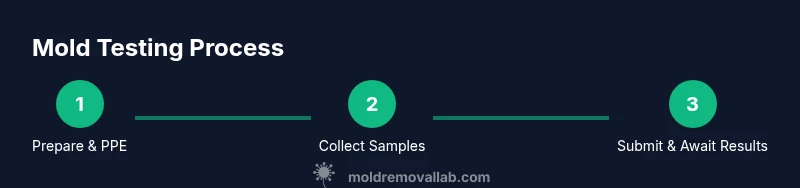
- Put on PPE to protect yourself from spores and START with a clean workspace. 2) Prepare the testing area by ensuring it’s dry and free from cross-contamination. 3) Open the kit and verify its contents before sampling. 4) Collect air samples exactly as the instructions direct, avoiding disturbance of settled dust. 5) Collect surface swabs only from the specific suspected spots. 6) Seal, label, and store samples as instructed for transport. 7) Submit samples to the lab or start the kit’s processing, and wait for results as directed. 8) Record locations, dates, and any moisture sources observed. 9) Clean up thoroughly and dispose of used materials safely.
Interpreting mold test results: what numbers mean
Mold test results indicate whether mold is present and, in some cases, the concentration of spores in air or on surfaces. Interpretation depends on the testing method, the lab’s reference values, and the building’s moisture context. A single positive result in a known moisture area is meaningful, especially if symptoms or odors correlate. However, test results should not be the sole basis for remediation decisions. Use them to identify problem areas, guide moisture control strategies, and plan professional assessment if results are high or inconsistent with observations. Always compare results against the lab’s reporting standards and local guidance.
Common pitfalls and safety considerations
Avoid sampling in actively occupied areas if mold is visible; ventilate safely and use PPE. Do not disturb mold you cannot safely manage, and never rely on a single sample to judge a whole building. Contaminated or improper handling can skew results or spread spores. Always follow kit instructions, label samples clearly, and store them according to guidance. If you have underlying chronic health issues, consult a medical professional in parallel with testing.
Next steps after testing: when to call professionals
If results show elevated mold or multiple affected areas, or if moisture issues persist, bring in a professional remediation service. Complex mold problems behind walls or in HVAC systems typically require licensed specialists, containment, and specialized equipment. Document findings, get a formal remediation plan, and coordinate with your insurer if applicable. Even with negative results, ongoing moisture control—through fixing leaks and improving ventilation—remains essential for long-term health.
Preventing mold growth after testing: air quality and maintenance
Post-testing strategies focus on moisture control and air quality. Fix hidden leaks, improve ventilation in damp rooms, and use dehumidifiers in humid climates. Regularly clean and dry areas prone to moisture, like bathrooms and basements, and monitor humidity levels (ideally between 30-50%). Install air purifiers with HEPA filters where feasible and maintain them per manufacturer guidelines. Periodic retesting may be prudent after remediation or major weather events to confirm that mold remains under control.
AUTHORITY SOURCES
- https://www.epa.gov/mold
- https://www.cdc.gov/mold/default.htm
- https://www.niehs.nih.gov/health/topics/agents/mold/index.cfm
Tools & Materials
- Mold test kit (air and/or surface sampling)(Includes swabs, sampling cards, or collection media as specified by kit)
- Gloves (nitrile)(Protects hands from contamination and mold exposure)
- N95 respirator or equivalent(Proper fit to protect breathing passages)
- Sealable specimen bags or envelopes(For transporting samples without leakage)
- Marker and labels(Label samples with location, date, and sample type)
- Disinfectant wipes or spray (optional)(Sanitize surfaces before sampling if applicable)
Steps
Estimated time: 1-3 days
- 1
Put on PPE
Wear gloves and an N95 mask to protect yourself from mold spores. Ensure proper fit and avoid touching your face during sampling.
Tip: Don PPE before entering any suspected areas to reduce exposure. - 2
Prepare the sampling area
Clear the area of clutter, ensure adequate lighting, and maintain a dry space for sampling. This helps prevent cross-contamination and improves sample integrity.
Tip: Close doors to limit air currents that could skew results. - 3
Open the kit and verify contents
Lay out all components and check that you have the required sampling tools, labels, and transport materials. Missing items can delay testing and affect accuracy.
Tip: Document lot numbers in case you need to contact support. - 4
Collect air samples
Follow kit instructions to capture air samples at representative locations. Avoid disturbing settled dust and do not sample directly from moldy surfaces unless instructed.
Tip: Take samples from both suspected problem areas and control areas for comparison. - 5
Collect surface samples
Use swabs or contact plates exactly where you smell mold or see visible growth. Keep swabs uncontaminated and avoid touching non-target surfaces.
Tip: Label each sample immediately after collection. - 6
Seal and label samples
Seal all samples in their designated containers and label with location, date, and sample type. Store samples per kit directions until submission.
Tip: Double-check seals to prevent leakage during transport. - 7
Submit samples or run kit processing
Submit to the lab or start the kit’s processing as instructed. If waiting for lab results, plan for a follow-up evaluation based on findings.
Tip: Keep a record of submission timestamps for reference. - 8
Record results and plan next steps
Document any immediate observations (moisture sources, odors). Use results to guide moisture control and consider a professional assessment if concerns persist.
Tip: Use findings to target remediation and moisture-control measures.
FAQ
What is the difference between DIY mold test kits and professional testing?
DIY kits provide quick screening to indicate mold presence, while professional testing uses accredited labs for precise quantification and a formal report. Professionals are often preferred for complex buildings or when health concerns exist.
DIY kits give a quick screen, but professional testing provides a formal lab report and detailed remediation guidance.
How long do mold test results take?
DIY kits can yield quick indications, but lab-based results may take several days depending on processing and backlog. Plan for a follow-up assessment if results are inconclusive or remediation is ongoing.
Results from DIY kits are usually quick; lab results can take a few days depending on processing.
What should I do if a mold test is positive?
Limit exposure by improving ventilation and wearing PPE. Locate moisture sources and address leaks before remediation. Consider hiring a professional for a thorough assessment and removal plan.
If mold is found, reduce exposure and fix moisture sources; a professional can guide cleanup.
Are DIY mold tests reliable for health risk assessment?
DIY tests indicate presence and relative concentration but may not identify all species or health risks. For health decisions, rely on professional assessment and consider medical advice if exposure symptoms persist.
DIY tests show presence but aren’t a substitute for professional risk assessment.
Can I test HVAC systems or air ducts?
Yes, special sampling is available for HVAC systems, but it’s best done by professionals who can minimize disruption and ensure representative results.
HVAC testing is possible but should be done by professionals for accuracy.
Is mold dangerous for my health?
Mold exposure can affect respiratory and allergic health, especially for sensitive individuals. If you have persistent symptoms, seek medical advice and address moisture and growth in your home.
Mold exposure can affect health; seek professional assessment if symptoms persist.
Watch Video
The Essentials
- Test when moisture or odors are suspected
- DIY kits offer quick screening, professionals provide lab-backed results
- Label and document samples for accurate interpretation
- Moisture control is essential regardless of test results
- Use results to guide targeted remediation and prevention