White Mold in House: Practical Guide to Safe Remediation
A practical guide to identifying white mold in house, addressing moisture sources, safe DIY remediation for nonporous surfaces, and proven prevention for lasting health.


You will identify white mold in house, locate moisture sources, and safely remove mold from nonporous surfaces while addressing the underlying moisture. This guide emphasizes proper PPE, containment, surface cleaning, thorough drying, and moisture control to prevent recurrence. For larger or porous-area contamination, seek professional remediation. Mold Removal Lab provides guidance based on field experience and research. Always follow local safety regulations.
What white mold in house looks like and why it matters
White mold in house can appear as fluffy, cottony, or powdery patches on wood, drywall, or insulation. It often hides behind wallpaper, under sinks, or in crawl spaces, making it easy to overlook. Because appearance alone isn’t a reliable indicator of the species or danger, treat any visible mold growth as a potential health risk and address it promptly. According to Mold Removal Lab, early detection helps prevent structural damage and indoor air quality problems. Moisture—high humidity, leaks, condensation—fuels white mold, so finding and fixing the moisture source is the first critical step. Even a small patch can hint at larger hidden growth behind walls. If you notice persistent coughing, throat irritation, or wheeze when indoors, take mold seriously and consider professional assessment.
How mold takes hold: moisture, humidity, and time
Mold needs moisture to grow. In homes, humid basements, bathrooms, kitchens, or areas with leaks create the perfect conditions for white mold to thrive. Temperature and airflow also influence growth rate. The Mold Removal Lab analysis highlights that controlling humidity and improving air movement dramatically reduces mold risk. Even when water appears gone, residual moisture can sustain colonies for weeks. Regularly monitoring humidity and fixing leaks promptly are essential habits for long-term prevention.
Common locations where white mold thrives
White mold commonly infests damp, poorly ventilated spaces. Look for patches along window sills, under sinks, in crawl spaces, around HVAC ducts, and behind wallpaper in bathrooms or basements. Porous materials like drywall, insulation, ceiling tiles, and carpeting that have gotten wet are especially susceptible. In kitchens or laundry rooms, sources include leaky pipes, condensate on cold surfaces, and poorly dried laundry. Identifying these hotspots helps tailor remediation and prevent reoccurrence.
Safety first: PPE, containment, and safe cleanup
Before touching mold, put on appropriate PPE: a well-fitted respirator (N95 or higher), goggles, and gloves. Use disposable coveralls to minimize contamination and seal work areas with plastic sheeting and tape. Keep doors and vents closed to limit spore spread. Avoid dry brushing or sweeping moldy material, which can release spores into the air. A HEPA-equipped vacuum and a damp cloth approach reduce dust and spores during cleanup. Always vent the area to fresh air when feasible and monitor for signs of irritation in occupants.
DIY remediation vs professional help
Small, well-contained mold growth on nonporous surfaces can be addressed with careful cleaning and moisture control. However, mold on porous materials (drywall, ceiling tiles, insulation) or growth covering large areas should prompt professional remediation, especially if there’s a risk of exposure to occupants with asthma or allergies. If the area exceeds a small patch or if there’s recurrent moisture, consider a certified mold remediation contractor. The Mold Removal Lab guidance emphasizes safety and proper containment when deciding to DIY or hire out.
Cleaning nonporous surfaces safely
For nonporous surfaces like metal, glass, or sealed tiles, prepare a cleaning solution with mild detergent and warm water. Wipe surfaces with a sponge or cloth, then rinse and dry thoroughly. For disinfection on nonporous surfaces, use an appropriate sanitizer recommended for mold cleanup, following product instructions. Do not mix cleaners with ammonia or other bleach-containing products. After cleaning, seal or repaint if needed, but only after the area is completely dry to prevent regrowth.
Handling porous materials and disposal considerations
Porous materials such as drywall, insulation, or fabric that have mold growth should be evaluated for removal. If removal is required, follow local regulations for disposal and consider replacing with new material to prevent future growth. Bag contaminated materials securely in heavy-duty trash bags and minimize air movement during disposal. If the material is structurally important or contaminated over a large area, professional remediation is often the safer option. Mold can infiltrate hidden cavities, so consider a thorough inspection beyond visible patches.
Drying, dehumidification, and moisture monitoring
Drying is the cornerstone of successful remediation. Use dehumidifiers and fans to bring relative humidity down to a level that discourages regrowth (common targets are below 50-60% RH, though local guidance may vary). Run equipment until moisture levels stabilize and surfaces are dry to the touch. Continuously monitor with a hygrometer and re-check after rain events. Persistent dampness indicates a lingering moisture source that must be fixed for lasting results. Keeping spaces well-ventilated and dry is the best defense against white mold.
Ventilation and air changes: improving indoor air quality
Improve ventilation by using exhaust fans in bathrooms and kitchens, and by bringing in fresh air when outdoor conditions allow. A well-ventilated space reduces humidity and helps prevent mold colonization. Ensure HVAC systems are clean and correctly sized for the home, and consider upgrading filters or adding portable air purifiers with a true HEPA filter if moisture control is challenging. Regular air exchange is a simple yet effective preventive measure.
Prevention strategies: moisture control and ongoing maintenance
Ongoing prevention starts with moisture control. Repair leaks promptly, insulate cold surfaces to reduce condensation, and maintain indoor humidity in a range that discourages mold growth. Establish a routine for inspecting bathrooms, basements, and crawl spaces, especially after heavy rain or flooding. Clean spills and damp areas quickly, and consider using moisture-absorbing products in high-humidity rooms. A proactive maintenance schedule reduces the chance of white mold returning and protects indoor air quality.
Documentation, rechecks, and follow-up
After remediation, document the work performed and establish a follow-up plan. Recheck humidity levels and inspect previously affected areas for any new signs of mold growth over the following weeks. If odors or visible patches reappear, re-evaluate moisture sources and consider a professional reassessment. Keeping a simple log helps you track moisture trends and ensures long-term success in mold prevention.
Next steps and actionable checklist
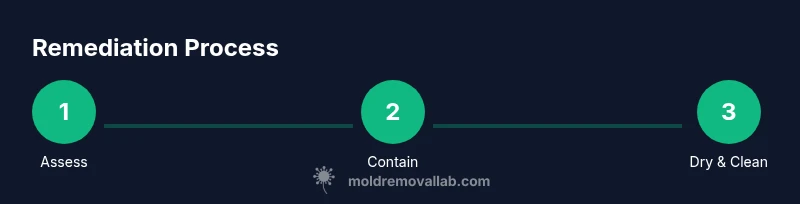
Create a short, practical checklist: locate moisture sources, isolate the affected area, don PPE, clean nonporous surfaces, remove or treat porous materials as needed, dry thoroughly, improve ventilation, and monitor humidity. Keep detailed notes of repairs and replacements. If in doubt, or if mold recurs, consult Mold Removal Lab for guidance and potential professional remediation.
Tools & Materials
- Personal protective equipment (PPE): N95 respirator or higher(Ensure a proper fit and replace if damaged)
- Safety goggles(Eye protection to prevent splashes and spores)
- Disposable coveralls or long sleeves(Keeps clothing free from spores)
- Gloves (nitrile or latex)(Protection for hands; avoid latex if you’re sensitive)
- Plastic sheeting and tape(Containment to prevent spread of spores)
- HEPA vacuum(Helps capture fine particles during cleanup)
- Detergent and warm water(Mild cleaning solution for nonporous surfaces)
- Nonporous surface cleaners or disinfectants(Follow label directions and fumes safety)
- Protective bags and trash disposal bags(Seal contaminated materials securely)
- Moisture meter / hygrometer(Monitor humidity before, during, and after cleanup)
- Dehumidifier(s) and fans(Aid drying; positioned to promote airflow without spreading spores)
- Plastic or foam rollers and squeegees(Assist in cleaning corners and tight spaces)
Steps
Estimated time: 2-6 hours
- 1
Assess scope and safety
Survey the affected area and determine if the mold is isolated to a small patch or if there are signs of widespread growth. Note moisture sources and determine whether occupants are at risk due to asthma or allergies. If growth is extensive or porous materials are involved, plan for professional remediation.
Tip: Document findings with photos before starting cleanup. - 2
Set up containment
Close doors to the area and seal gaps with plastic sheeting to minimize spore spread. Turn off HVAC or set to recirculate with minimal airflow, and run a portable HEPA filter nearby to capture airborne spores.
Tip: Keep the containment area separate from living spaces to protect others. - 3
Protect yourself
Put on a properly fitted respirator, goggles, and disposable coveralls. Wear gloves and ensure skin is protected. Avoid touching your face during cleanup to reduce exposure.
Tip: Limit time in contaminated area if you have asthma or allergies. - 4
Identify and fix moisture sources
Find leaks, condensation points, or water intrusion. Repair the source before continuing cleanup to prevent recurrence. Document repairs for future reference.
Tip: Drying is ineffective if moisture keeps returning; address root cause first. - 5
Clean nonporous surfaces
Wipe surfaces with detergent solution, rinse, and dry thoroughly. For disinfection, use an approved cleaner following label directions. Do not mix cleaners with ammonia or bleach.
Tip: Work from top to bottom to prevent recontamination of cleaned areas. - 6
Vacuum with HEPA and remove debris
Vacuum cleaned areas with a HEPA-equipped vacuum to capture fine spores. Dispose of the vacuum contents in sealed bags after cleanup.
Tip: Do not reuse contaminated bags or containers for other trash. - 7
Dry the space thoroughly
Operate dehumidifiers and fans to lower humidity. Check moisture levels with a hygrometer and continue drying until surfaces are dry to the touch.
Tip: Aim for RH under common indoor targets; adjust based on local guidance. - 8
Address porous materials
Assess drywall, insulation, or fabric for contamination. If replacement is necessary, follow safe removal guidelines and dispose of affected materials properly.
Tip: Porous materials with mold growth are often best replaced rather than cleaned. - 9
Improve ventilation
Enhance air exchange in the space by using exhaust fans and opening windows when conditions permit. Ensure HVAC is clean and appropriately sized.
Tip: Avoid cross-ventilating moldy air into other areas of the home. - 10
Verify results and plan follow-up
Recheck humidity and inspect previously affected areas for signs of regrowth. Schedule follow-up checks to confirm the remediation was successful.
Tip: Keep a remediation log with dates, locations, and outcomes.
FAQ
What does white mold look like and where is it likely found in a home?
White mold appears as fluffy or powdery patches and can grow on wood, drywall, insulation, or behind wallpaper. It thrives in damp areas like basements, bathrooms, and under sinks. Always treat any visible growth as a potential hazard and address moisture promptly.
White mold looks like fluffy patches on damp surfaces, often hiding behind walls or under sinks. If you see it, address moisture and clean safely, or call a professional for larger areas.
Is white mold dangerous to people in a home?
Any mold growth can affect indoor air quality and health, particularly for people with allergies or asthma. The risk increases with exposure duration and the extent of growth. If symptoms occur or growth is extensive, seek professional assessment.
Mold can affect air quality, especially for sensitive individuals. If you have symptoms or large growth, consult a remediation expert.
Can I clean white mold myself, or should I hire a pro?
Small patches on nonporous surfaces can often be cleaned safely by a informed homeowner. Larger areas or any porous material require professional remediation to reduce risk of spread and ensure proper containment and disposal.
You can clean small, nonporous patches yourself, but bigger or porous areas should be handled by a pro.
Do I need to test for mold after cleanup?
Visual inspection plus moisture monitoring can confirm cleanup success. Professional testing is optional unless symptoms persist or you suspect hidden growth behind walls.
Testing isn’t always needed after cleanup; focus on drying thoroughly and monitoring humidity, and call a pro if symptoms continue.
How soon after remediation should I recheck for mold?
Recheck humidity and visible areas within days to weeks after remediation. Establish ongoing moisture monitoring to catch regrowth early.
Check the area again within days to weeks and keep monitoring humidity to catch any regrowth early.
What prevention steps help stop white mold from returning?
Control moisture by fixing leaks, reducing humidity, improving ventilation, and promptly cleaning spills. Regularly inspect damp areas and maintain HVAC systems.
Fix leaks, keep humidity down, ventilate, and inspect damp spots regularly to prevent mold from returning.
Watch Video
The Essentials
- Identify moisture sources first
- Contain area and wear PPE
- Clean nonporous surfaces safely, replace porous materials when contaminated
- Dry thoroughly and monitor humidity
- Prevent recurrence with moisture control