What Do You Use to Kill Mold? A Practical Guide
Explore safe, proven ways to kill mold in homes. Learn when to use bleach, hydrogen peroxide, vinegar, and other cleaners, plus moisture control and prevention strategies from Mold Removal Lab.


To kill mold effectively, use proven cleaners and a moisture-control plan. Common options include EPA-registered products, hydrogen peroxide, and white distilled vinegar, plus safe scrubbing and thorough drying. Start with moisture reduction, test a small area, and follow label directions for surface compatibility.
What mold is and why killing it matters
According to Mold Removal Lab, understanding what do you use to kill mold is essential to effective remediation. Mold is a type of fungus that grows in damp areas and releases spores into the air. Left unchecked, even small patches can expand across walls, ceilings, and fabrics. The goal of killing mold is twofold: stop its visible growth and reduce the health risks associated with inhalation or skin contact. This isn't just about whitening a stain; it's about breaking the moisture cycle that sustains the mold colony. To achieve lasting results, you must pair cleaning with moisture control and ongoing monitoring. The keyword here is practical action: choose surface-appropriate cleaners, apply them correctly, and ensure the area dries thoroughly before returning furniture or belongings. By following a structured approach, homeowners and renters can safely reduce mold exposure and protect indoor air quality.
Core mold-killing options and when to use them
Mold killers fall into a few main categories, each with its own strengths and limitations. Bleach can be effective for nonporous surfaces like tile and glass when used properly and with good ventilation, but it may damage certain materials and can produce harsh fumes. Hydrogen peroxide is a milder, versatile oxidizer that works on many surfaces without leaving a strong odor, and it tends to be safer for household use around children when applied carefully. White vinegar offers mild antimicrobial properties and is a gentle option for light mold on some nonporous surfaces; however, it should not be relied on for heavy growth or porous materials. Borax provides a residual option that might slow regrowth on porous materials when dissolved in water, though its disinfectant properties are less robust than bleach or peroxide. For fabrics and soft materials, soap and water or enzymatic cleaners may be more effective than harsh disinfectants. Always read the label and test a hidden area first to confirm compatibility. Mold Removal Lab emphasizes combining cleaning with moisture reduction and prompt drying to minimize recurrence.
Surface-specific strategies: porous vs non-porous
Nonporous surfaces such as ceramic tiles, metal fixtures, and glass are generally easier to disinfect and dry, often allowing cleaners like diluted bleach or hydrogen peroxide to do the job effectively. Porous materials—drywall, wood, fabric, and insulation—absorb moisture and harbor mold more deeply, which means cleaning alone may not fully remove mold and odors. In many cases, porous materials must be replaced or isolated, and cleaning should focus on surface residues plus moisture control to prevent regrowth. For wood, consider sealing and monitoring humidity after cleaning; for drywall, assess whether underlying framing is dry and undamaged; for fabrics, machine washing when possible or professional cleaning may be required. The key is to balance the cleaning approach with material limitations and to maintain a dry environment after remediation. Mold Removal Lab notes that moisture management is often the deciding factor in whether mold returns.
Safety first: PPE and ventilation essential precautions
Before you begin, protect yourself with appropriate PPE, including gloves, safety goggles, and a respirator if fumes are possible. Work in a well-ventilated area by opening windows and using fans to direct air outdoors. Never mix household cleaners, as dangerous release of gases can occur. Keep pets and children away from the work zone, and dispose of contaminated cleaning materials in sealed bags. If the growth is extensive or behind walls, seek professional help. Take breaks to avoid overheating or fatigue, and always wash hands after handling moldy materials. These safety steps reduce exposure and help ensure you can clean more effectively while protecting your health.
Step-by-step cleanup workflow overview
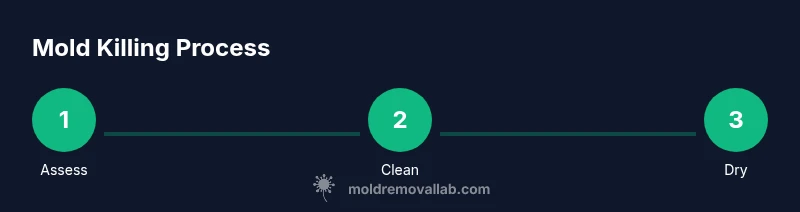
A structured workflow makes mold cleanup safer and more effective. Begin with a clear plan, protect yourself, and control the environment. After cleaning, ensure surfaces are completely dry to prevent regrowth. Document the area and monitor humidity levels over the following days. Keep an eye on any new or returning patches and address leaks promptly. Training yourself to follow a consistent routine improves outcomes and reduces the chance of recurrent growth.
Prevention and maintenance to stop mold returning
Once mold is removed, prevention is essential. Fix any leaks and address water intrusion quickly. Stabilize indoor humidity to stay below 60 percent, ideally around 30–50 percent in living spaces, and use dehumidifiers in damp basements or bathrooms. Improve ventilation, especially in bathrooms and kitchens, and clean or replace air filters regularly. Regular inspections after heavy rain or snowfall can catch issues early. By combining proper cleaning with moisture management, you reduce the risk of future mold problems and maintain healthier indoor air quality.
Authority sources
- EPA Mold: https://www.epa.gov/mold
- CDC Dampness and Mold: https://www.cdc.gov/mold/dampness_facts.html
- OSHA Mold: https://www.osha.gov/molds
Tools & Materials
- Personal protective equipment (PPE): gloves, goggles, and an N95 respirator(Choose PPE appropriate for the level of contamination and ventilation)
- Spray bottles(Label one for cleaners, one for plain water or rinse if needed)
- Microfiber cleaning cloths(Washable; reuse once clean to avoid cross-contamination)
- Scrub brushes(Use soft-bristle brushes for delicate surfaces)
- Bucket and mild detergent or dish soap(For initial cleaning and rinsing)
- Cleaning agents: hydrogen peroxide (3%), white distilled vinegar, and/or EPA-registered cleaner(Follow label directions and test first)
- Bleach (optional, only on nonporous surfaces)(Use only on nonporous surfaces; never mix with ammonia or acids)
- Baking soda and/or borax(Useful as deodorizing agents and secondary cleaners)
- Fans or dehumidifier(Aid rapid drying to prevent regrowth)
- Trash bags and disposable wipes(Seal contaminated materials before disposal)
Steps
Estimated time: 2-6 hours
- 1
Assess area and protect yourself
Identify all mold-affected zones and decide whether to treat on-site or remove contaminated materials. Put on PPE and ensure good ventilation before touching any moldy surfaces.
Tip: Take photos for records and note moisture sources you must repair. - 2
Ventilate and contain the space
Open doors and windows, use a fan directed outward, and seal off the area to limit spread to other rooms.
Tip: Place plastic sheeting to create a containment zone if growth is extensive. - 3
Apply cleaner to affected surfaces
Spray chosen cleaner on moldy areas and let it sit according to label directions to maximize efficacy.
Tip: Do not mix cleaners; read and follow the product instructions closely. - 4
Scrub, rinse if appropriate, and re-clean
Gently scrub surfaces to remove visible mold. Rinse if the product requires it and allow to dry as directed.
Tip: For porous materials, focus on surface residues and plan for replacement if deep growth is present. - 5
Dry completely and remove contaminated materials
Use fans and dehumidifiers to thoroughly dry the area. Bag and dispose of any porous items that cannot be cleaned.
Tip: Ensure no moisture remains behind baseboards or in wall cavities. - 6
Monitor and prevent future growth
Check humidity and leaks over the next several days. Re-test problem areas and consider remediation if mold returns.
Tip: Keep humidity below 50% and fix leaks promptly to stop recurrence.
FAQ
Is bleach always the best mold killer?
Bleach can kill surface mold on nonporous surfaces, but it is not ideal for porous materials and can damage some surfaces. Always follow label directions and consider safer options when working with wood, drywall, or fabrics.
Bleach is useful for hard, nonporous surfaces, but not a universal fix. Follow the label and safety guidance, and consider other cleaners for porous materials.
Can vinegar kill mold effectively?
Vinegar provides mild antimicrobial action and can help on certain nonporous surfaces, but it may not eliminate heavy growth or mold embedded in porous materials. It is best used as part of a broader moisture-control strategy.
Vinegar helps on light mold, but for tough growth you’ll need stronger cleaners and moisture control.
Is DIY mold cleanup safe for large infestations?
DIY cleanup is feasible for small, contained areas. For extensive growth, hidden growth, or high moisture sites, professional remediation is recommended to ensure safety and thorough removal.
Do-it-yourself can work for small spots, but big or hidden infestations should be handled by pros.
How do I know mold is gone after cleaning?
Visual confirmation plus humidity monitoring helps, but sometimes lab testing is needed for persistent cases. Ensure the area stays dry and humidity remains controlled.
Look for no visible mold and keep humidity in check; if you still smell mold or see new growth, reassess.
What maintenance prevents return?
Fix leaks promptly, maintain humidity below 50%, and improve ventilation in moisture-prone rooms like bathrooms and kitchens. Regular inspections help catch issues early.
Repair leaks fast, keep humidity down, and ventilate regularly to prevent mold from returning.
Should I use commercial cleaners or homemade solutions?
Both can work. Commercial EPA-registered products provide proven efficacy, while mild homemade solutions like soap and water or diluted vinegar can be effective for light soiling. Match the approach to surface type and growth severity.
Commercial cleaners work well for tough mold, but mild DIY cleaners can handle light cases when used correctly.
Watch Video
The Essentials
- Start with moisture control to prevent regrowth
- Choose surface-appropriate cleaners and follow labels
- Dry thoroughly after cleaning to minimize recurrence
- Protect yourself with proper PPE during all steps
- Monitor humidity and fix leaks to maintain a mold-free environment