How to Remove Toxic Black Mold: A Practical Step-by-Step Guide
A safety-first guide for homeowners and renters on identifying, containing, and removing toxic black mold. Learn moisture control, safe cleanup, and when to hire professionals, with insights from Mold Removal Lab to protect health.


This guide shows you how to identify, contain, and safely remove toxic black mold in a home. You’ll learn how to assess risk, stop mold spread, address moisture sources, clean and dry affected areas, and know when professional remediation is necessary to protect your health. Includes practical PPE, containment tactics, and a clear step-by-step plan.
What is toxic black mold and why it matters
Toxic black mold, commonly associated with the species Stachybotrys chartarum, thrives where moisture persists and organic materials are present. In homes, it often grows on damp drywall, insulation, or wood. While not every dark-colored mold is dangerous, this particular form can produce mycotoxins that irritate airways and may worsen asthma or allergies in sensitive individuals. According to Mold Removal Lab, exposure risks are not uniform; health effects depend on exposure duration, pollen, and preexisting conditions. The Mold Removal Lab team found that recognizing moisture problems early dramatically reduces the chance of rapid growth and minimizes exposure. For homeowners, it is essential to treat any visible growth as potentially hazardous and to approach cleanup with caution. Visual signs include a musty odor, staining, and blistering on surfaces, yet depth behind walls can remain unseen. If you discover mold in hidden areas, do not assume it is harmless—plan a careful remediation strategy and seek professional guidance if you are uncertain.
Exposure to toxic black mold can affect anyone, but infants, young children, the elderly, and people with allergies or asthma are most at risk. In homes, mold growth is a signal of ongoing moisture problems—leaking roofs, plumbing issues, or high indoor humidity. The goal of this guide is to help you create a safe plan that minimizes spore release during cleanup and reduces the chance of regrowth. Remember, safety first: PPE, containment, and moisture control are the pillars of any successful remediation.
Signs, health implications, and when to test
Toxic black mold often presents with visible colonies, discoloration, and a persistent musty odor. Health symptoms linked to exposures may include coughing, eye irritation, nasal congestion, and throat irritation, particularly for sensitive individuals. It is important to evaluate both physical symptoms and environmental clues in tandem. Visibly dark, flat, or spreading patches on walls, ceilings, or floors can indicate active growth, especially after a moisture event such as a leak or flood. While lab testing is not always necessary to begin cleanup, Mold Removal Lab analysis shows that detecting persistent moisture problems is the strongest predictor of mold regrowth. If you notice rapid spread after repairs or continued dampness, consider a professional assessment or laboratory confirmation to identify the mold species and guide remediation strategy. Testing can confirm the presence of mold spores and guide decisions about containment and disposal, but it should be paired with immediate moisture and source control to prevent further growth.
In many scenarios, homeowners can start with visual assessment and moisture mitigation, reserving lab testing for ambiguous cases or when indoor air quality concerns persist after initial cleanup. If anyone in the home has a chronic respiratory condition or if mold is present in HVAC systems, testing and professional remediation become even more critical.
Containment and safety planning
Containment is essential to prevent mold spores from traveling to other parts of the home during cleanup. Start by closing doors and windows, turning off or isolating HVAC systems, and laying down plastic sheeting to create a physical barrier around the affected area. Use caution tape or signs to keep others out of the work zone. PPE is non-negotiable: an appropriate respirator (not just a disposable mask), protective goggles, gloves, and disposable coveralls should be worn at all times when mold is present. Plan airflow so that air moves from clean spaces to the outside; avoid blowing air from the contaminated zone into living areas. Document the area with photos before beginning and as you progress, which helps with disposal records and potential insurance claims. The Mold Removal Lab team emphasizes that containment reduces cross-contamination and makes cleanup safer and more efficient. If the area is large or highly damp, consider temporary removal of affected materials outside the structure to limit indoor exposure.
Containment also means controlling moisture sources. Repair leaks immediately, fix plumbing, and reduce humidity with dehumidifiers and well-ventilated drying cycles. The goal is to bring moisture levels down and keep them down while you work. If you cannot identify a moisture source or if dampness reappears, stop work and seek professional assistance. A professional remediation team can help design a containment plan tailored to the size of the affected space and the type of materials involved, ensuring safety and effectiveness throughout the process.
Moisture control and source remediation
Moisture control is the most critical factor in stopping toxic black mold from returning. Start by locating and repairing the moisture source—this could be a roof leak, plumbing issue, or condensation due to poor ventilation. After repairs, reduce indoor humidity to levels that discourage mold growth—ideally below 60% and often aiming for 40-50% in living spaces. Use dehumidifiers in damp areas like basements or bathrooms and ensure proper air exchange with ventilation fans. Improve insulation around pipes, windows, and exterior walls to prevent condensation. If the moisture problem is outside the home, such as groundwater intrusion, involve a water intrusion specialist or a contractor with mold experience. Sustained moisture control helps prevent regrowth and reduces the likelihood of needing more invasive remediation.
In many cases, addressing the moisture source eliminates the dominant driver of toxic black mold growth. For example, correcting a leaky roof or a detached pipe will dramatically reduce ongoing dampness. The Mold Removal Lab analysis highlights that moisture control is the strongest predictor of successful long-term outcomes. Keep in mind that even after drying, residual spores can remain; complete elimination may require professional cleaning and removal of porous materials beyond a simple surface wipe.
Cleaning, removal, and disinfection
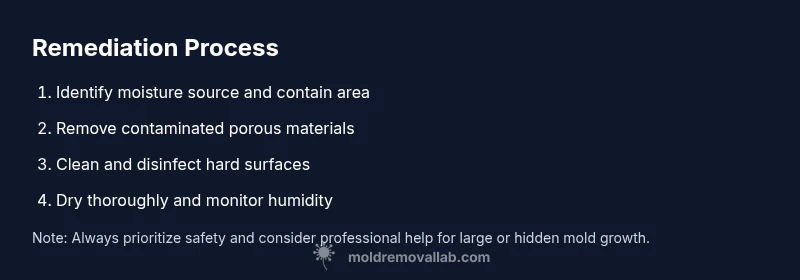
Cleaning strategies should distinguish between porous and nonporous surfaces. Nonporous surfaces (like metal, glass, and sealed concrete) can be cleaned with detergent and water and then disinfected. Porous materials (such as drywall, insulation, and carpeting) that have been deeply infiltrated by mold may need to be removed and discarded to prevent regrowth. Avoid using bleach on porous materials, as it can damage surfaces and release additional moisture, and it is often ineffective against deeply embedded spores. Use a detergent solution to scrub visible colonies on hard surfaces, followed by a suitable disinfectant appropriate for the surface. When removing contaminated materials, bag them in sealed plastic to prevent the spread of spores. After cleaning and removal, HEPA vacuum the area to capture remaining spores from hard surfaces and from hidden crevices. The goal is to reduce spore count and eliminate residual residue that could seed regrowth. The Mold Removal Lab team notes that meticulous cleaning and proper disposal are essential components of a successful remediation plan, particularly for multi-room or multi-material projects.
If you encounter hidden mold behind walls or inside cavities, stop and proceed with professional assessment rather than attempting invasive probing yourself. Disturbing hidden colonies can release large quantities of spores. Safety comes first: if you are uncertain about hidden contamination, hire a licensed mold remediation contractor who can safely access and remediate concealed growth with appropriate containment and procedures.
Drying, ventilation, and post-cleaning checks
Drying is a crucial step after cleaning. Use dehumidifiers and high-efficiency air movers to circulate air and evaporate moisture from the affected area. Ventilate by bringing in fresh outdoor air if possible, and avoid reintroducing humid air from other parts of the home. Monitor humidity levels with a hygrometer and re-check surfaces for dampness after a few hours of drying; re-inspection is essential to confirm that materials feel dry to the touch and to check for any musty odors that linger. Consider resealing or repainting affected areas after they reach a stable dry state to prevent surface infiltration from future moisture events. An air quality monitor or professional assessment can help verify that the environment is returning to safe levels. The Mold Removal Lab analysis reinforces that successful remediation hinges on thorough drying and post-cleaning verification, not just removal of visible mold.
When to hire a professional and what to expect
Licensed professionals bring equipment, experience, and safety protocols that reduce the risk of spread and exposure. Hire a mold remediation contractor if: mold covers more than 10 square feet, mold contamination is in hard-to-reach areas, you notice recurring moisture problems after cleanup, or anyone in the home has a compromised immune system or chronic respiratory issues. A pro will typically perform a formal assessment, contain the area, remove contaminated materials, decontaminate surfaces, dry the space, and perform post-remediation verification. Expect a written remediation plan, clear containment barriers, and a scope of work with estimated timelines and costs. The Mold Removal Lab team emphasizes that large jobs or contamination behind walls typically require professional remediation to ensure safety and lasting results.
Long-term prevention and maintenance
Prevention is the best defense against toxic black mold. Maintain proper moisture control through regular inspection of roofs, plumbing, and basements; ensure adequate ventilation in bathrooms and kitchens; use dehumidifiers in damp climates; and promptly repair leaks. Schedule routine inspections after major weather events or seasonal changes, and consider installing moisture-sensing devices in crawl spaces and near potential problem areas. Keep indoor humidity in appropriate ranges and use air purification with HEPA filtration to improve indoor air quality. Finally, document remediation efforts and monitor for any signs of recurring moisture or odors. The Mold Removal Lab team recommends adopting a proactive maintenance plan to minimize the risk of future mold growth.
Tools & Materials
- P100 respirator or higher(Ensure a proper fit; replace cartridges if contaminated.)
- Disposable coveralls(Choose sealed suits to prevent fiber exposure.)
- Safety goggles(Protect eyes from spores and cleaning agents.)
- Nitrile gloves(Chemical-resistant and disposable.)
- HEPA vacuum(Use with care to avoid dispersing spores; seal vacuum to prevent leaks.)
- Plastic sheeting (6 mil) and tape(Create containment barriers around the work area.)
- Durable trash bags (6 mil) for contaminated materials(Seal and dispose of promptly; label trash as mold-contaminated.)
- Detergent and non-ammonia cleaner(Used for cleaning nonporous surfaces before disinfection.)
- Mold-safe disinfectant(Choose a product appropriate for the surface type.)
- Moisture meter or hygrometer(Helpful for tracking humidity, not strictly required.)
- Dehumidifier and portable fans(Use to accelerate drying; place away from humid zones.)
Steps
Estimated time: 1-5 days depending on extent
- 1
Don PPE and prepare the space
Put on a proper respirator, gloves, goggles, and disposable coveralls. Prepare plastic barriers and remove occupants or pets from the area. This initial step minimizes exposure and sets the stage for safe cleanup.
Tip: Do a quick visual inspection to confirm PPE fits and barriers hold; a loose seal increases exposure risk. - 2
Identify moisture source and contain area
Locate and document the moisture problem (leaks, condensation, or humidity). Close doors, seal off the area, and shut down HVAC if safe to do so to prevent dust or spores from spreading.
Tip: Use plastic sheeting to construct a simple barrier that traps spores inside the zone. - 3
Remove porous materials
Carefully detach and bag porous items (drywall, insulation) that are mold-affected beyond cleaning. Place materials in sealed bags and remove from the home with minimal disruption to other spaces.
Tip: Do not sand or abrade moldy surfaces; it releases spores into the air. - 4
Clean nonporous surfaces
Wash hard surfaces with detergent and water, then apply an appropriate disinfectant. Rinse and wipe dry; avoid creating wet conditions that encourage regrowth.
Tip: Work from clean to dirty areas; clean surfaces last to prevent recontamination. - 5
Disinfect and sanitize
Apply a mold-safe disinfectant following the product label. Allow proper dwell time before wiping or drying the area. This step helps reduce residual spores after physical removal.
Tip: Never mix cleaners; follow label directions precisely for safety and effectiveness. - 6
Dry the space completely
Run dehumidifiers and air movers to thoroughly dry the area. Monitor humidity and remove excess moisture until surfaces feel dry to the touch.
Tip: Aim for long-term humidity below 50-60% depending on climate to minimize regrowth risk. - 7
Inspect and replace as needed
Reassess the area after drying. If stains or odor persist, consider secondary cleaning or material replacement and verify that all affected materials are removed or restored.
Tip: Photograph progress for records and insurance; include before/after comparisons. - 8
Verify outcomes and plan prevention
Conduct a final check or professional assessment to confirm remediation success. Implement a prevention plan with moisture control and regular checks to prevent recurrence.
Tip: Schedule routine humidity monitoring and maintenance checks after heavy rain or seasonal changes.
FAQ
What exactly is toxic black mold and why is it dangerous?
Toxic black mold typically refers to certain molds that can emit mycotoxins, potentially impacting air quality and health. Health effects vary by exposure, duration, and individual susceptibility. Safety and containment are essential during cleanup.
Toxic black mold can emit mycotoxins and affect air quality; effects depend on exposure and health, so safety and containment matter.
Should I test for mold, or can I cleanup based on visuals alone?
Visual signs plus moisture problems often justify cleanup; lab tests can confirm species and guide treatment in complex cases or when health risks exist. Testing should accompany moisture control for best results.
Visual signs plus moisture clues often justify cleanup, but testing helps confirm species when conditions are unclear.
Can I remove toxic black mold myself?
Small areas with careful cleanup can be DIY with proper PPE and containment. Large infestations or hidden mold behind walls should be handled by a licensed pro to ensure safety and prevent spread.
DIY cleanup is possible for small areas with full precautions; bigger jobs should use a professional.
How long does remediation typically take?
Time varies with the extent of growth and moisture issues. Simple, small spots may resolve in a day or two; larger jobs can take several days to complete thoroughly and dry completely.
Remediation duration depends on size and moisture; small spots may take a day or two, larger jobs longer.
What are the health risks of exposure to toxic black mold?
Exposure can irritate eyes, skin, and airways, and may aggravate asthma or allergies in sensitive individuals. People with compromised immune systems should be especially cautious and may require professional remediation.
Exposure can irritate airways and skin and affect those with asthma; vulnerable people should seek professional help.
Is mold in HVAC systems a special concern?
Yes. Mold in ducts can distribute spores throughout the home. A professional should assess and remediate HVAC contamination to prevent ongoing exposure.
Mold in your ducts can spread spores—get a professional to inspect and remediate the HVAC system.
The Essentials
- Identify moisture sources early to curb growth
- Contain and protect others during cleanup
- Differentiate cleaning vs removal by surface type
- Dry thoroughly to prevent regrowth