How to Remove Black Mold Safely: A Complete DIY Guide
Practical, safety-focused guide to removing black mold with DIY steps, approved cleaners, PPE, and prevention strategies for homeowners and renters.


By following this guide, you’ll safely remove black mold using approved cleaners, PPE, and thorough drying. The approach explains when to DIY, when to hire a pro, and how to prevent regrowth. You’ll learn surface selection, testing, airflow, and disposal strategies to keep your home healthy. This quick read helps you decide quickly if you can handle it safely.
What is black mold and why a dedicated remover matters
Black mold is a moisture-loving contaminant that appears in damp, poorly ventilated areas. In homes, it often shows up on walls, ceilings, behind appliances, and in basements. While many surface molds are relatively easy to address, black mold is associated with stronger irritants and, for some people, more pronounced health effects. The Mold Removal Lab team emphasizes that addressing moisture sources is the first priority. According to Mold Removal Lab, effective remediation starts with moisture control and a clear plan, not just scrubbing with any cleaner. The term "black mold remover" refers to products and strategies designed to eliminate visible growth and reduce the risk of regrowth, while preserving the underlying structure.
This section explains why a dedicated remover matters: ordinary cleaners may kill some surface mold but won’t always neutralize toxins in porous materials, nor prevent spores from re-entering living spaces. You’ll hear about non-porous surfaces like tile and sealed concrete where more aggressive cleaners can be used without penetrating deeper, and about porous materials like drywall and wood that require gentler, longer-drying remediation. By understanding the differences, homeowners and renters can choose a safer product, use it correctly, and avoid common mistakes that spread spores during cleanup.
How black mold remover works: active ingredients and safety
Black mold removers operate through several scientific approaches. Some products use oxidizing agents that disrupt cell walls of mold spores, others employ antimicrobial active ingredients to slow regrowth, and some rely on surface cleaners that physically lift mold from non-porous materials. While choosing a remover, read the label for active ingredients, contact time, and safety precautions. For most DIY applications, you’ll find options such as hydrogen peroxide-based cleaners, chlorine- or non-chlorine bleaches on non-porous surfaces, and quaternary ammonium compounds. It is essential to apply products only to compatible surfaces and to use in a well-ventilated area. Do not mix cleaners, as dangerous fumes can form. A key concept is to match the removal method to the surface type and the severity of growth.
The Mold Removal Lab guidance highlights that safety data sheets (SDS) and label directions should guide every step. Containers should stay tightly closed, and you should avoid prolonged exposure. If you have allergies or asthma, consider postponing work or using a professional service. After the cleaner’s contact time, wipe surfaces with clean water and dry promptly. This reduces residual moisture that could encourage new mold growth.
When to call professional vs DIY black mold remover
DIY remediation is appropriate for small, well-contained patches on non-porous surfaces and when moisture is under control. If mold covers a large area, involves porous materials, or if you have chronic health issues, structural concerns, or repeated growth after cleaning, it is safer to involve a licensed professional. Professionals have specialized containment tools and stronger equipment to remove root spores and ensure complete drying. They can also assess hidden moisture sources such as roof leaks or plumbing lines that DIY methods might miss. In the long term, a pro may help you design a moisture-management plan and provide documentation for insurance claims or home records. The decision should consider both the scale of growth and the risk profile of the occupants.
From Mold Removal Lab’s perspective, early intervention reduces the chance of secondary contamination and structural damage. If in doubt, schedule a consultation rather than attempting an aggressive cleanup that could release spores into living areas. The goal is to restore a safe indoor environment and prevent recurrence.
Space preparation and containment before removal
Before you begin removal, prepare the space to prevent cross-contamination. Close doors to the affected room and seal vents with plastic sheeting and tape. Set up adequate ventilation using fans placed to exhaust air out of the building, not blowing toward other living areas. Put on PPE: a properly fitted respirator, protective goggles, gloves, and disposable coveralls. Remove loose items and cover nearby furnishings. Lay down plastic drop cloths to catch drips, and place waste bags in a separate container for disposal. If you suspect hidden moisture behind walls, locate the source discreetly and plan for a longer remediation cycle. Testing with a simple moisture indicator can help confirm when the space is dry enough to proceed. The aim is to minimize spread and establish a controlled work zone.
The choice of cleaner depends on the surface. For non-porous areas, a robust mold remover with approved contact time is typically effective; for porous materials, plan for thorough drying and, if needed, professional removal. After you finish cleaning, wipe down large surfaces with a clean damp cloth and dry with a dry towel. Finally, bag and seal all contaminated items for safe disposal.
Post-remediation drying and cleanup
Drying is often the most critical part of successful black mold removal. Mold spores flourish in damp environments, so reduce humidity and ensure that every corner is dry before refurbishment. Use a dehumidifier and fans to move air from the cleaned area to the outside or to a well-ventilated space. If you discover lingering damp spots, recheck the area for leaks. Keep attempting mechanical drying until the space returns to a stable, dry state. Vacuum the cleaned area with a HEPA-equipped unit to capture remaining spores and prevent them from resuspending. Remove PPE carefully and discard it in sealed bags to prevent spreading spores elsewhere in the home. Replace bags without reopening the work area. When the area is finally dry, you may repaint or replace materials as needed, ensuring new surfaces resist mold growth by applying approved sealants or paints.
This stage should be documented, noting the dryness and restoring the space with a focus on moisture control. The Mold Removal Lab team suggests documenting moisture readings and remediation steps for future reference and insurance needs. The key is to ensure that the cleanup is finally complete and that the space remains dry after the project ends.
Verifying success and prevention strategies
Verification is essential to ensure the mold is gone and won’t return. A simple visual check may show no new growth, but subtle signs such as musty odor or slight discoloration can indicate hidden moisture or minor regrowth. Re-run moisture readings and surface checks after a fixed drying period, and consider a follow-up inspection with a mold testing kit or professional service if the odor persists. Prevention hinges on controlling moisture: address leaks promptly, improve ventilation in bathrooms and kitchens, fix water intrusion, and maintain consistent indoor humidity levels. Regularly inspect problem areas such as basements, crawl spaces, and laundry rooms. Maintain clean, sealed surfaces and replace porous materials if they show any signs of mold.
From the perspective of Mold Removal Lab, prevention is easier than remediation. The team recommends routine maintenance and a quick response to any dampness. By integrating moisture-control practices into daily life, you can keep your home healthier and safer.
Tools & Materials
- PPE: N95 respirator or half-face respirator(Fit-tested; replace filters as needed)
- Safety goggles(Protect eyes from splashes)
- Chemical-resistant gloves(Nitrile preferred)
- Disposable protective coveralls(One-piece or two-piece)
- Plastic sheeting and tape(Containment and sealing)
- Scrub brushes and non-abrasive sponges(For surface cleaning)
- Buckets and clean cloths(Wash and rinse surfaces)
- EPA-registered mold remover or hydrogen peroxide cleaner(Follow label directions)
- Non-porous surface cleaner for rinsing(Optional depending on surface)
- Dehumidifier or fans(Drying equipment)
- HEPA vacuum(For post-cleanup spore collection)
- Heavy-duty trash bags(Seal contaminated materials)
- Moisture meter (optional)(Track drying progress)
Steps
Estimated time: 2-6 hours
- 1
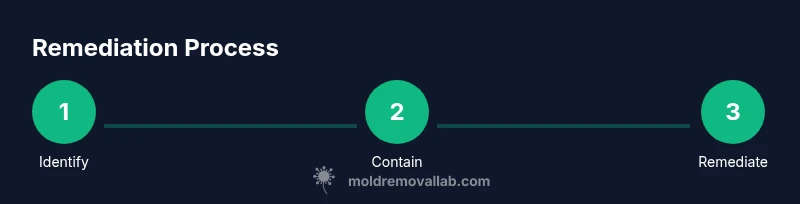
Identify and contain the mold area
Locate the affected zone and stop its spread by sealing the room with plastic barriers. Shut doors and seal any gaps around fixtures or ducts. This reduces cross-contamination and keeps occupants safe while you work.
Tip: Keep access to the area minimal; plan to work in short, focused sessions. - 2
Ventilate and stabilize moisture
Open exterior vents and position fans to ventilate away from living spaces. Begin drying efforts if any moisture source is present and shut off water leaks to prevent further growth.
Tip: Avoid creating drafts that spread spores to other rooms. - 3
Apply mold remover to affected surfaces
Apply the remover according to label directions on non-porous surfaces first. For porous materials, avoid over-wetting and plan for thorough drying after cleaning.
Tip: Never mix cleaners; read SDS and product labels first. - 4
Scrub, rinse, and wipe surfaces
Use a scrub brush to lift visible mold, then rinse with clean water and wipe with a dry cloth. For stubborn stains, repeat the process in small areas to prevent spores from becoming airborne.
Tip: Work in 1–2 foot sections to maintain control. - 5
Dry the space completely
Run the dehumidifier and fans until the area feels dry to the touch and moisture readings are stable. Vapor-free, dry surfaces prevent mold from returning.
Tip: Check hidden pockets behind walls if you suspect concealed leaks. - 6
Dispose of contaminated materials
Place removed materials in sealable bags and discard in exterior trash. Do not reintroduce contaminated items to living spaces.
Tip: Never reuse contaminated tools on clean areas.
FAQ
What is black mold remover?
A product or method designed to neutralize black mold on surfaces. It should be used with proper PPE and in a well-ventilated area. Always follow label directions and local regulations.
Black mold remover is a product or method to neutralize mold on surfaces; use PPE and vent the area.
Is bleach effective against black mold?
Bleach can kill mold on non-porous surfaces but does not fully penetrate porous materials. It may not address underlying moisture issues. Use only on appropriate surfaces and follow safety guidelines.
Bleach can kill surface mold on non-porous surfaces, but it may not fix the moisture problem.
When should I call a professional?
Call a professional if mold covers a large area, shows signs of structural damage, or if you have health concerns. Professionals can safely remove, dry, and restore affected spaces.
Call a pro if mold is widespread, damaged structure, or health concerns arise.
How can I prevent mold from returning?
Address moisture sources, improve ventilation, and dry rooms quickly after water events. Regularly inspect bathrooms, basements, and kitchens for damp spots.
Fix moisture, improve airflow, and dry areas quickly to prevent regrowth.
What surfaces are safe to treat with DIY removers?
Non-porous surfaces like tile and sealed concrete are safer for DIY removers. Porous materials such as drywall may require professional remediation.
DIY removers are best for non-porous surfaces; porous materials may need pro help.
Should I test for mold after remediation?
Testing can confirm whether mold is gone, but it should be done after thorough drying and remediation. Choose accredited labs or kits with clear instructions.
Yes, test after remediation to verify success, using accredited options.
The Essentials
- Wear proper PPE before handling mold
- Use EPA-registered products per label
- Contain and dry thoroughly to prevent regrowth
- Call a pro for large infestations or health risks
- Document remediation for future prevention