Spray for Mold: A Practical How-To Guide
Learn how to safely use mold spray for small patches, including prep, application, and post-cleanup. Get safety tips, moisture control, and guidance on when to call a professional.


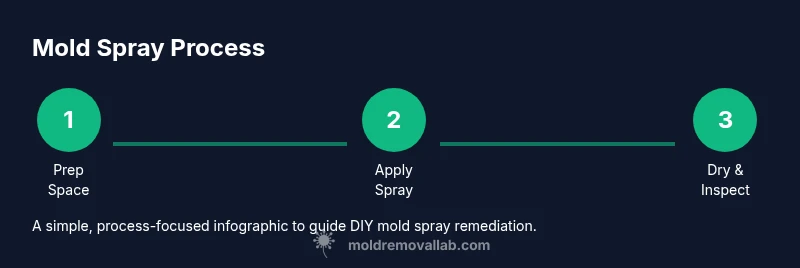
By following this guide, you will learn how to safely use mold spray to treat small patches, including prep, application, and cleanup. You’ll understand required PPE, ventilation, contact time, and post-treatment steps to prevent regrowth. This steps-based approach helps homeowners minimize risk while maintaining a healthy home; for larger infestations, call a pro.
What is mold spray and when to use it
According to Mold Removal Lab, mold spray products can help slow mold growth on non-porous surfaces and provide a deodorizing effect when used as part of a broader remediation plan. They are not a universal cure, and their effectiveness is limited on porous materials like drywall, wood, or fabric once mold has penetrated. This section explains what mold spray is, the typical forms available (alcohol-, quaternary ammonium-, and hydrogen peroxide-based), and when it makes sense to use them as part of a DIY cleanup for small, visible patches. You’ll learn about surface compatibility, the dwell time the product should stay wet on the surface, and how to integrate sprays with drying and moisture control to improve outcomes. Safety data sheets and product labels should guide your choice, and you should select products labeled for mold remediation rather than general cleaners. The Mold Removal Lab analysis underscores that sprays work best when paired with moisture control and thorough cleaning; they are not a substitute for fixing leaks or drying a damp area.
Safety first: PPE, ventilation, and when to avoid spraying
Mold sprays release active ingredients that can irritate skin, eyes, and lungs. Always wear PPE: chemical-resistant gloves, splash goggles, and a respirator or mask appropriate for mold tasks. Ensure good ventilation by opening windows and using an exhaust fan that vents outdoors. Do not spray in occupied spaces for extended periods; if anyone in the home has asthma, allergies, or young children, plan work when the room can be unoccupied. If you must spray in an occupied space, limit duration and increase fresh air exchange. Never mix mold sprays with other cleaners or bleach, as chemical reactions can generate harmful gases. Follow the product label for recommended use, dwell time, and disposal instructions. The Mold Removal Lab Team emphasizes prioritizing containment and moisture control to reduce recurrence. After spraying, monitor for any irritation and stop if symptoms arise.
Prep steps before applying spray
Begin by identifying the source of moisture and addressing it before applying spray. Remove standing water, fix leaks, and dry the area as much as possible. Clear the room and cover belongings with plastic sheeting to prevent secondary contamination. Vacuum the surface with a HEPA-filter vacuum to remove loose mold spores if safe to do so, then wipe with a damp microfiber cloth. Keep a well-organized space and have a dedicated bin for used rags and disposable wipes. Label the area as undergoing remediation so others minimize entry. This prep work reduces contamination risk and improves spray effectiveness by ensuring the surface is as clean and dry as possible before treatment.
How to apply mold spray effectively
Shake the bottle well and test on a small, inconspicuous area to ensure there is no discoloration. Hold the spray bottle at the distance recommended on the label and apply a light, even coat to the moldy surface. Do not oversaturate porous materials; allow a thin layer to remain wet for the label’s specified dwell time. Use a clean cloth to gently wipe after the dwell time if the product permits. For textured or irregular surfaces, apply carefully to reach crevices while avoiding soaking adjacent areas. If multiple patches exist, treat them in batches to keep containment intact. After application, keep the room ventilated until the surface is dry according to label directions. This approach minimizes overspray and helps prevent spreading mold spores.
Post-application care and prevention
Once the surface is dry, inspect for any remaining staining or odor and repeat treatment if the label allows. Continue moisture control in the area: fix leaks, improve drainage, and run a dehumidifier when humidity remains high. Remove plastic sheeting and dispose of disposable items properly in sealed bags. Clean tools and cloths outside of living spaces, or bag and launder them separately. Consider a simple long-term prevention plan: address recurring moisture sources, improve ventilation in kitchens and bathrooms, and monitor for new mold growth after rain or high humidity. Mold Removal Lab recommends routine checks to catch issues early and to combine spraying with ongoing moisture management to reduce return of mold.
Limitations of sprays and when to call a professional
Sprays are most effective on small, surface-level patches and non-porous materials. They cannot fully restore porous building materials that have absorbed moisture or mold spores behind walls. If mold reappears after cleaning, if you notice significant staining on drywall, if you detect a persistent musty odor, or if you have health concerns, contact a licensed professional. Professional remediation may include containment, removal of contaminated materials, and advanced moisture mitigation that sprays alone cannot achieve. The Mold Removal Lab Team emphasizes safety and moisture control as the keys to lasting results.
DIY vs pro: making the right call
For many homeowners, a careful spray-based approach is a practical first step for minor, visible mold. However, if you encounter porous materials with visible growth behind surfaces, extensive staining, or persistent moisture issues, professional remediation is the safer path. A trained contractor can assess structural integrity, perform controlled demolition if needed, and implement comprehensive moisture control measures to prevent recurrence. Always document issues and seek a professional opinion when in doubt.
Quick-start checklist for spray mold cleanup
- Ensure you have appropriate PPE and a well-ventilated space.
- Contain the work area with plastic sheeting to prevent spread.
- Address moisture sources before applying spray.
- Test the spray on a hidden patch first.
- Apply a light, even coat and observe dwell time as directed on the label.
- Dry thoroughly and re-inspect for signs of mold return within a few days.
- Dispose of contaminated materials safely and clean tools after use.
- If mold recurs or covers porous materials, call a professional.
Tools & Materials
- Mold spray product labeled for mold remediation(Choose a product labeled for mold remediation; follow label directions.)
- Nitrile gloves(Chemical-resistant, fully cover hands.)
- Safety goggles or face shield(Protect eyes from splashes.)
- N95 respirator or higher(Ensure proper fit and filtering.)
- Disposable coveralls or long-sleeved clothing(Protect skin and clothing.)
- Plastic sheeting or painter's drop cloths(Create containment and protect furnishings.)
- Masking tape or painter's tape(Seal plastic edges and create barriers.)
- HEPA vacuum(For initial cleaning where safe to use.)
- Microfiber cloths(Damp-wipe surfaces and lint-free cleanup.)
- Bucket and mild detergent (non-ammonia)(Optional for pre-cleaning.)
- Heavy-duty trash bags(Seal and dispose of contaminated materials.)
Steps
Estimated time: 30-60 minutes
- 1
Prepare the space
Close doors, turn off HVAC, and set up containment with plastic sheeting to prevent mold spores from spreading. This step reduces cross-contamination and keeps the work area manageable.
Tip: Seal all seams and door gaps with tape to create a contained workspace. - 2
Don PPE and ventilate
Put on gloves, goggles, and a respirator; open nearby windows or use an exhaust fan to vent outdoors. Ventilation lowers inhalation risk and helps the treated area dry more quickly.
Tip: Check respirator fit and avoid wearing lenses that fog during work. - 3
Address moisture source
Identify and fix the moisture source before or during treatment to prevent renewed growth. If the area continues to stay damp, post-treatment remediation may be ineffective.
Tip: Repair leaks or improve drainage before repeating any treatment. - 4
Test spray on inconspicuous patch
Spray a small, hidden patch to confirm no discoloration or adverse reaction before wider use. This protects sensitive surfaces from damage.
Tip: If discoloration occurs, choose a different product or skip this surface. - 5
Apply spray to moldy surfaces
Hold the bottle at the recommended distance and apply a light, even coat. Do not oversaturate; allow the surface to dwell as directed by the label.
Tip: Treat patches in batches to maintain containment and reduce spreading. - 6
Wipe, dry, and inspect
If allowed by the product, wipe the surface after the dwell time and ensure the area dries thoroughly. Re-inspect after 24–48 hours for any signs of regrowth.
Tip: Use a clean microfiber cloth for re-wipes to avoid recontamination. - 7
Clean up and dispose
Bag used wipes and disposable items in sealed bags; remove the containment area carefully to avoid dispersing spores.
Tip: Clean tools outside living spaces to prevent indoor contamination. - 8
Reassess moisture and odors
Monitor the treated area for new moisture or odors over the next few days and adjust moisture control as needed. Persistent issues may require professional help.
Tip: Keep a simple log of moisture events and cleaning dates.
FAQ
Is mold spray enough to remove mold completely?
Spray can help treat surface mold on non-porous surfaces and should be paired with moisture control and cleaning. For porous materials or hidden mold, replacement or professional remediation may be required.
Spray helps with surface mold on non-porous surfaces, but porous or hidden mold may need more than spraying.
How long should I leave the spray on the surface?
Always follow the product label for the recommended dwell time and do not rinse unless the label instructs you to. Reapply if the mold returns after drying per the label.
Just follow the product label and wait the time it says before proceeding.
Can I mix mold spray with bleach or other cleaners?
Do not mix mold sprays with bleach, ammonia, or other cleaners. Mixing can release hazardous gases or cause skin and eye irritation.
Do not mix with bleach or other cleaners; it can create dangerous fumes.
What surfaces can be treated with mold spray?
Spray works best on non-porous surfaces like tile and glass. Porous materials such as drywall or wood may absorb mold and require additional steps or removal.
Spray is best on hard, non-porous surfaces; porous materials may need other steps.
When should I call a professional?
If mold reappears after treatment, if you suspect extensive growth behind walls, or if moisture problems persist, consult a licensed professional for assessment and remediation.
Call a pro if mold persists or grows behind walls.
Is mold spray safe around pets and children?
Keep animals and kids away during treatment, ensure good ventilation, and store products securely. Always follow label directions for safety data and disposal.
Keep kids and pets away during spraying and until the area is dry.
Watch Video
The Essentials
- Assess mold type and surface before spraying.
- Always wear PPE and ventilate; do not mix cleaners.
- Spray is a supplement to moisture control, not a substitute.
- Call a professional for large or hidden mold growth.
- Follow label directions for dwell time and disposal.