Solutions for Mold Removal: A Practical, Safe Guide
Discover practical, safe solutions for mold removal. Identify moisture sources, contain contamination, clean effectively, and prevent recurrence with a structured remediation plan from Mold Removal Lab.


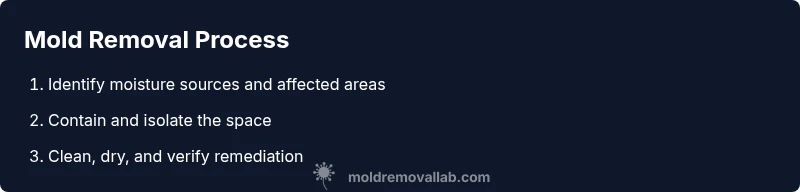
Goal: implement practical, safe solutions for mold removal in your home. Begin by locating and fixing moisture sources, isolating affected areas, and testing mold presence. Then follow a step-by-step remediation plan that prioritizes containment, cleaning, drying, and verification. The guide also covers safe product choices, protective gear, and ongoing prevention to reduce future growth.
What "solutions for mold removal" mean in practical terms
Mold growth in homes results from sustained dampness, poor airflow, and hidden leaks. Practical solutions for mold removal aren’t a one-off cleaning job; they’re a layered process that starts with stopping the moisture source and ends with verification that growth won’t return. At its core, these solutions combine containment, careful cleaning, thorough drying, and a plan to prevent future dampness. According to Mold Removal Lab, the most durable mold-removal outcomes begin with accurate identification and targeted remediation. Homeowners should think of mold work as a moisture-management project as much as a cleaning task, because prevention is the throughline that keeps your living space healthy over time.
Key elements of an effective mold remediation plan
A solid plan combines four pillars: containment, removal of contaminated materials when needed, drying and dehumidification, and post-remediation verification. Containment reduces cross-contamination, while removing porous materials with heavy mold exposure minimizes regrowth paths. Drying must be rapid and thorough, because any remaining moisture can fuel a new round of growth. Verification often involves visual checks, moisture readings, and, in some cases, air sampling. The Mold Removal Lab team emphasizes documenting the process so you can reference preventive steps later and defend decisions with evidence.
Moisture control: the foundation of lasting results
Mold cannot thrive without moisture. The primary prevention strategy is moisture control: fix leaks promptly, seal water intrusion points, improve drainage around your home, and maintain indoor humidity levels ideally between 30% and 50%. Use dehumidifiers in damp rooms and ensure bathrooms, kitchens, and basements are well-ventilated. Regularly inspect areas prone to dampness, such as crawl spaces and under sinks, and address any signs of moisture loss or condensation early. Comprehensive moisture management dramatically reduces the chance of recurrence after cleaning.
Cleaning methods by surface type
Cleaning effectiveness varies by surface. Non-porous surfaces (like glass and ceramic) accept stronger cleaners and can often be wiped down after scrubbing with soap and water, followed by a disinfectant. Porous materials (like drywall and fabric) require more cautious treatment; contaminated sections may need removal and disposal. Use EPA-registered mold cleaners, hydrogen peroxide (3%), or white vinegar where appropriate, and avoid mixing cleaners. Always test a small area first and avoid saturating porous materials. For fabric or carpet, consider professional cleaning or replacement if growth is embedded.
Containment, PPE, and safe cleanup procedures
Containment minimizes the spread of spores to pristine areas. Set up plastic sheeting barriers, seal doors, and create a negative-pressure zone if feasible. PPE is non-negotiable: N95 respirators or higher, chemical-resistant gloves, and eye protection reduce exposure risk. Work from the edges of the affected area inward, remove contaminated materials carefully, and bag waste in sealed containers. Ventilate well, but avoid blowing air from the contaminated zone to other rooms. The aim is to clean without dispersing spores through the home.
When to call professionals and what to expect
Professional remediation is essential for large infestations, mold growth behind walls, or uncertain structural damage. If you observe extensive growth, persistent odors, or health symptoms (cough, wheeze, eye irritation), contact trained pros. A licensed mold remediation contractor will assess, contain, remove, and verify the work, often using specialized equipment like HEPA vacuums and air scrubbers. They should provide a written plan, a scope of work, and post-remediation verification to ensure effectiveness.
Verification, documentation, and prevention for the long term
Verification entails moisture readings, visual inspections, and sometimes air sampling to confirm mold removal. Keep records of inspections, cleaning, and equipment used; this helps track moisture sources and supports preventive maintenance. Ongoing prevention includes fixing leaks promptly, maintaining indoor humidity, using exhaust fans, and ensuring proper insulation in problem areas. Regular checks—every few months—help catch early signs of dampness before mold becomes visible.
Tools & Materials
- Nitrile or latex gloves(Disposable, fluid-resistant if possible)
- N95 respirator or higher(Protects lungs from spores; fit is crucial)
- Goggles/face shield(Eye protection against splashes and spores)
- HEPA vacuum(Important for mold debris cleanup without recirculating spores)
- Disposable plastic sheeting(Create containment barriers; 6 mil or heavier)
- Dust masks (for non-contaminated areas)(For preliminary work where appropriate)
- Soap and water(Basic cleaning solution for general dirt and residue)
- EPA-registered mold cleaner or disinfectant(Follow label directions for surface compatibility)
- Hydrogen peroxide 3%(Non-porous surfaces; test area first)
- White vinegar(Alternative cleaner; not a disinfectant on its own)
- Spray bottle(For applying cleaners and dampening surfaces)
- Scrub brushes (stiff and soft)(Different textures needed for different surfaces)
- Trash bags (heavy-duty)(For disposing contaminated materials)
- Moisture meter or hygrometer(Monitor moisture before, during, and after remediation)
- Dehumidifier(Helps achieve low humidity fast)
- Fans/air movers(Assist drying; ensure airflow cycles don’t spread spores)
Steps
Estimated time: 4-8 hours
- 1
Identify moisture sources
Locate leaks, condensation points, and damp conditions that sustain mold growth. Document findings with photos and moisture readings. This step is critical because addressing the moisture source prevents recurrence.
Tip: Fix leaks promptly and consider upgrading insulation or drainage to reduce future dampness. - 2
Isolate and contain the affected area
Seal doors with plastic sheeting, close vents, and create a controlled work zone to prevent spread of spores. If possible, use negative pressure equipment in larger jobs.
Tip: Keep the containment zone independent from living spaces; avoid accessing from shared hallways during remediation. - 3
Assess mold extent safely
Wear PPE, avoid disturbing visible growth, and determine whether materials can be cleaned in place or must be removed. Document affected areas for follow-up checks.
Tip: Never blast or scrub vigorously on porous materials—this can release particles into the air. - 4
Clean and remove contaminated materials
Clean non-porous surfaces with soap and water, then disinfect. For porous materials, remove only if contaminated and discard properly in sealed bags.
Tip: Limit cleaning to small areas at a time to prevent moisture buildup in the rest of the space. - 5
Dry the space thoroughly
Use dehumidifiers and fans to achieve low ambient humidity. Target below 50% RH and ensure evaporation is complete before reoccupying.
Tip: Run drying equipment for 24–72 hours after cleaning, depending on area size and moisture readings. - 6
Verify remediation and monitor
Recheck moisture levels, inspect visually for regrowth, and, if needed, perform follow-up testing. Maintain a preventive plan for the future.
Tip: Keep a log of readings and conditions to guide ongoing prevention.
FAQ
What are practical first steps when mold is discovered?
Begin by turning off any water leaks, sealing off the area, and assessing the extent of growth. Document findings and plan containment before cleaning. If mold covers a large area or there is structural damage, consider contacting a professional.
First, stop the water source, seal off the area, and assess the scope. If it’s extensive, call a professional.
Can I remove mold myself, or should I hire a pro?
Small, surface mold on non-porous surfaces can often be addressed with careful cleaning and drying. Large areas, porous materials, or hidden mold behind walls typically require a licensed remediation specialist to ensure safety and prevent regrowth.
For large or hidden mold, it’s safer to hire a pro.
What surfaces are hardest to clean mold from?
Porous materials like drywall, insulation, and carpet trap mold spores and moisture, making removal difficult. Non-porous surfaces like glass and metal are easier to clean but require thorough drying to prevent regrowth.
Porous materials are the toughest, non-porous surfaces are easier but still need drying.
Is humidity control enough to prevent mold?
Humidity control is essential but not sufficient alone. It must be paired with prompt moisture source fixes, proper ventilation, cleaning, and ongoing monitoring to prevent mold from returning.
Humidity control helps a lot, but you still need to fix leaks and monitor moisture.
How long does remediation take?
Remediation duration varies with area size, severity, and accessibility. Small projects may take a few hours; larger repairs and drying can stretch to several days. Plan for time to verify results.
It depends on size and severity, but expect several hours to days.
What are signs of hidden mold behind walls?
Common signs include musty odors, staining on walls, bubbling paint, and visible moisture damage. If you suspect hidden mold, avoid dismantling walls yourself and consult a professional for testing and safe removal.
Look for smells and moisture damage; hidden mold needs expert testing.
The Essentials
- Contain mold growth by fixing moisture sources
- Isolate affected areas to protect the rest of the home
- Dry thoroughly and verify removal to prevent regrowth
- Engage professionals for large-scale or uncertain cases
- Adopt ongoing prevention practices to minimize future dampness